What are the functions of the Clutch Slave Cylinder?
- Converting hydraulic pressure to mechanical motion: Turns oil pressure from the master cylinder into piston movement.
- Generating clutch release force: Transmits the force it produces to the release bearing or pressure plate fingers, disengaging the clutch disc from the flywheel.
- Maintaining correct travel distance: The piston stroke determines the ratio between pedal movement and the amount of clutch disengagement; wear disrupts this ratio.
- Keeping the system sealed: Its internal seals prevent hydraulic fluid from leaking out and air from entering.
- Allowing bleeding: Its bleed nipple allows the system to be periodically purged of air.
What are the symptoms of a faulty Clutch Slave Cylinder?
- Soft or sinking clutch pedal: Internal seal wear or air in the system changes the pedal feel.
- Difficulty shifting gears: When the clutch cannot fully disengage, gear changes become harsh or noisy.
- Oil leakage on the cylinder body: When the piston seal wears, a hydraulic fluid stain appears around the cylinder body.
- Clutch slipping: When the piston cannot complete its full stroke, the clutch disc cannot separate enough from the flywheel or the pressure plate cannot close fully.
- Pedal not returning: Binding in the piston or spring mechanism causes the pedal to return slowly or incompletely.
How is the Clutch Slave Cylinder inspected?
Before inspection, hydraulic line pressure must be released and the fluid level checked. The cylinder body and piston rod connection are visually examined for leaks, corrosion or deformation. The piston is pressed by hand to test whether it moves freely and returns without binding. The bleed nipple is opened to purge air from the system while observing pedal pressure; if the feel is still spongy, internal leakage or an air leak is suspected. Line connection points and around the nipple should be checked for signs of leakage. In doubtful cases, the cylinder should be disassembled for a detailed inspection of the piston seal and internal surface wear.
What should be considered when replacing it?
Before replacement, the hydraulic system must be drained and the old fluid fully removed. When fitting the new slave cylinder, the piston rod connection alignment and free lever movement must be checked. Mounting bolts must be tightened to the torque value specified in the vehicle's service manual; for the exact torque value, the vehicle's current OE service manual is the authoritative source. After installation, the system must always be properly bled; residual air spoils pedal feel and prevents the clutch from fully disengaging. The master and slave cylinder must have a compatible displacement/volume ratio; a mismatched pairing disrupts the travel distance.
How to choose the right Clutch Slave Cylinder?
For correct selection, the vehicle model, chassis number, and whether the clutch system is hydraulic or cable-actuated must be verified; the piston bore and stroke within the complete assembly must be compatible with the master cylinder.
Selection criteria for Clutch Slave Cylinder Complete Assembly| Criterion | Why it matters |
|---|
| Chassis number / engine-transmission combination | Piston bore and stroke range vary by model |
| Piston bore match | A mismatched ratio with the master cylinder changes pedal feel and release travel |
| Connection interface | Lever/fork connection geometry is vehicle-specific |
| Seal material | A seal incompatible with the hydraulic fluid type leaks prematurely |
| Bleed nipple position | A different mounting angle can complicate bleeding |
Maintenance and service life
The slave cylinder is not directly exposed to friction but operates continuously under hydraulic pressure; the main factors determining its life are seal quality and the cleanliness of the hydraulic fluid. Dirty or moisture-contaminated hydraulic fluid wears internal seals prematurely and causes corrosion. During periodic maintenance, fluid level and color should be checked, and the system fully drained and refilled with fresh fluid when needed. Early intervention when a gradual change in pedal feel is noticed prevents sudden failure of the slave cylinder and the risk of a breakdown on the road.
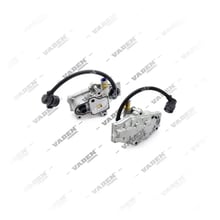
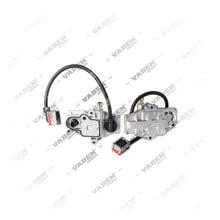
VADEN Clutch Slave Cylinder Complete Assembly
VADEN manufactures clutch slave cylinder complete assemblies for heavy-duty commercial vehicles with OE piston bore, stroke and seal specifications. Correct connection geometry and hydraulic compatibility preserve original pedal feel and clutch performance.
Frequently Asked Questions (FAQ)
What is the difference between the clutch slave cylinder and master cylinder?
The master cylinder generates hydraulic pressure at the pedal side, while the slave cylinder converts this pressure into mechanical motion at the clutch side to disengage the disc from the flywheel. Together they form the hydraulic clutch line.
Should I buy the complete assembly instead of just replacing the seals?
Generally yes. Since the slave cylinder body and piston surface can also wear, replacing only the seals can lead to leakage again within a short time; a complete assembly is a more reliable solution.
What should be checked first when the clutch pedal feels soft?
First check the hydraulic fluid level and whether there is air in the system. If the feel does not improve after bleeding, the likelihood of internal leakage in the slave cylinder increases.
Why is bleeding mandatory after replacing the slave cylinder?
Because air trapped in the system is compressible, not all of the pedal pressure converts into piston movement; this causes incomplete clutch disengagement and gear-shifting problems.
What happens if a slave cylinder with the wrong piston bore is installed?
The displacement ratio with the master cylinder is disrupted; pedal travel changes, and the clutch disengages either too early or too late, negatively affecting driving comfort and component life.