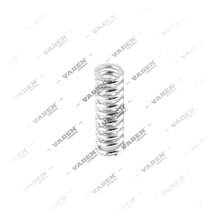
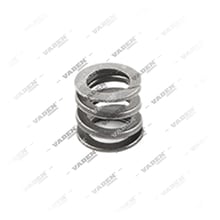
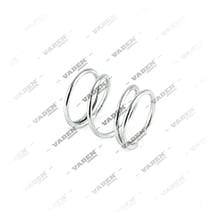
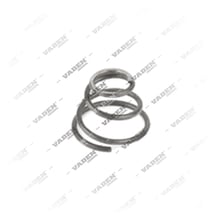
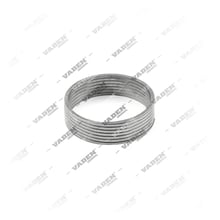
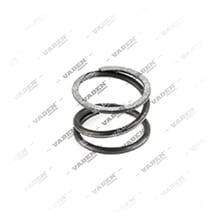
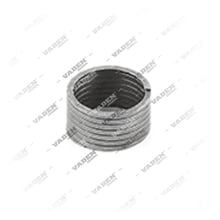
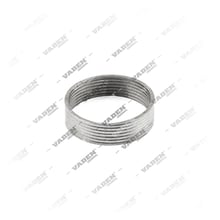
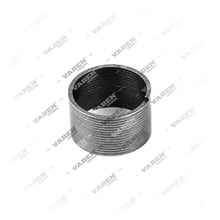
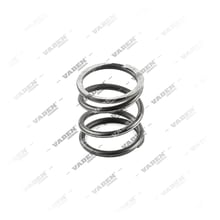
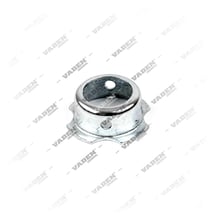
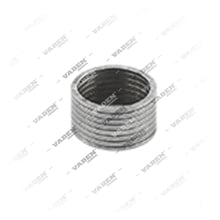
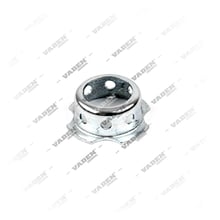
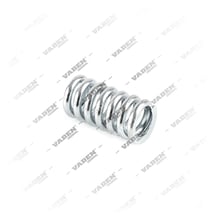
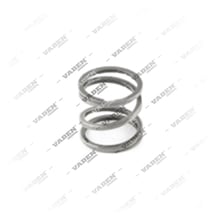
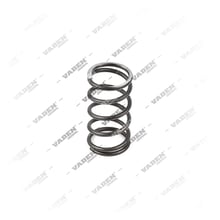
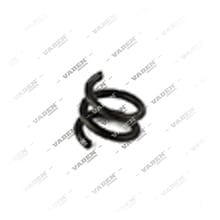
What Is a Caliper Mechanism Spring?
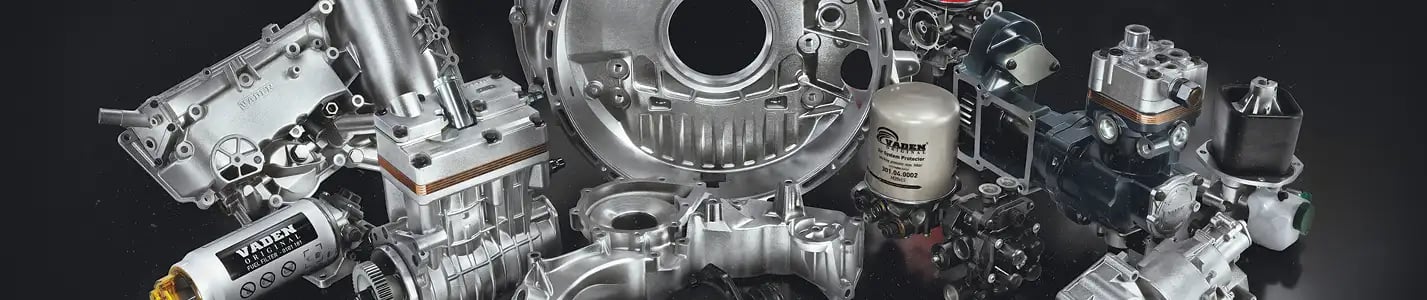
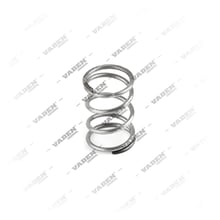
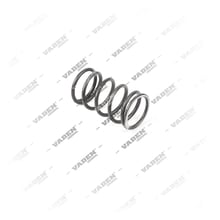
A caliper mechanism spring is a wire-formed return and tensioning component inside the internal mechanism of a heavy commercial vehicle disc brake caliper. It returns moving parts — such as the adjuster lever, rotating shaft, guide pin, or pad pressure plate — to their neutral position. In the field it is also known as the "caliper spring," "mechanism return spring," or "caliper internal spring." Though visually small, it is critical for the correct, repeatable operation of the caliper; a weakened or broken spring keeps the mechanism from returning to position, and brake performance suffers.
How Does a Caliper Mechanism Spring Work?
When the brake pedal is applied, the mechanism inside the caliper moves the adjuster lever or rotating shaft, pressing the pads against the disc. On release, the spring releases its stored tension energy, returning the lever or shaft to its starting position. This allows the pads to separate from the disc by the required clearance and keeps the system ready for the next application. Insufficient spring tension means the mechanism does not return fully, which can cause pad-to-disc contact, increased wear, or a stiffening mechanism. Correct spring tension is the foundation of smooth, consistent caliper movement.
- Tensioning Phase: When the brake pedal is pressed, the spring compresses and stores energy as the mechanism moves.
- Pressing Phase: As the adjuster lever or rotating shaft pushes the pads toward the disc, the spring reaches maximum tension.
- Return Phase: When the brake is released, the spring releases its stored energy, carrying the mechanism back to its neutral position.
- Standby Phase: The mechanism remains balanced and pre-tensioned until the next brake application.
Caliper Mechanism Spring Technical Specifications
Caliper mechanism springs are typically made from high-carbon or stainless spring steel wire, chosen to withstand temperature fluctuations, vibration, and continuous load cycling. Dimensions such as wire diameter, coil count, outer diameter, and free length determine which caliper model and mechanism the spring belongs to, so deviating from the original dimensions can cause fitment errors or premature fatigue. A zinc or phosphate coating typically provides corrosion resistance against road salt, moisture, and brake dust. The spring's open ends are shaped to seat fully into the recess on the caliper body or lever; for exact torque and tension values, the vehicle manufacturer's current service manual is authoritative.
Caliper Mechanism Spring Types and Subgroups
- Adjuster Lever Return Spring: Returns the automatic adjuster mechanism's lever to its starting position after every brake application.
- Rotating Shaft Spring: Returns the rotating shaft or bridge inside the caliper to its neutral position after the pad-pressing motion.
- Guide Pin Pressure Spring: Helps keep the caliper body centered and balanced on the guide pins.
- Pad Retention and Positioning Spring: Holds the pads securely on the carrier, preventing vibration-induced loosening and noise.
- Caliper Cover/Dust Boot Spring: A small retaining spring that helps keep the mechanism cover or boot in the correct position.
- Compensation Spring: An auxiliary spring element that supports clearance compensation in the mechanism as pad wear progresses.
How to Choose the Right Caliper Mechanism Spring
When selecting a caliper mechanism spring, the vehicle's caliper brand, model, and mechanism type are the determining criteria; visually identical springs can have different tension or dimensional values. The table below summarizes the key selection criteria.
Caliper Mechanism Spring Selection Criteria| Criterion | Why It Matters |
|---|
| Caliper Brand and Model | Wabco, Knorr-Bremse, and Bendix caliper mechanisms use different spring geometries |
| Spring Function | Adjuster lever, rotating shaft, and guide pin springs should not be confused with one another |
| Wire Diameter and Coil Count | Correct tension is only achieved with the original dimensions |
| Free Length and Outer Diameter | A spring that does not seat fully in its recess restricts mechanism movement |
| Surface Coating | Zinc/phosphate coating improves corrosion resistance and service life |
| Vehicle Application | Truck, tractor unit, bus, or trailer; axle type and caliper family |
Caliper Mechanism Spring Maintenance and Key Considerations
- Check During Periodic Brake Service: Always inspect the spring's tension and physical condition during pad replacement or caliper overhaul.
- Watch for Signs of Corrosion: Replace springs showing rust, pitting, or coating loss before the risk of breakage develops.
- Seat It in the Correct Recess: Position the spring fully and evenly in its designated recess on the caliper body or lever.
- Test Mechanism Movement: After installation, verify that the adjuster lever or rotating shaft returns freely and fully.
- Use Original-Dimension Parts: Equivalent springs with a different wire diameter or coil count can cause the mechanism to malfunction.
Common Faults and Solutions
- Pads Do Not Fully Release From the Disc: A weakened or broken caliper mechanism spring; inspect the spring and replace it with an original-dimension part if needed.
- Metallic Rattling Noise From the Brake Caliper: A mechanism spring that has come loose or dislodged from its recess; reseat the spring correctly and check the retention points.
- Uneven Pad Wear: The adjuster lever spring's return may be incomplete; inspect the adjuster mechanism and spring together.
- Brake Drag Sensation: The rotating shaft or guide pin spring tension may be insufficient; disassemble the caliper mechanism and replace the spring.
- Broken or Rusted Spring Found During Caliper Disassembly: A spring that has not been replaced for a long time and has corroded; renew the spring routinely during overhaul.
Why VADEN ORIGINAL?
- Manufactured to OE Dimensions: Wire diameter, coil count, and free length are produced to precise tolerances for exact fit with the original caliper mechanism.
- Broad OEM Coverage: Covers numerous vehicle and axle combinations applied to Wabco, Knorr-Bremse, and Bendix-based caliper mechanisms.
- Fatigue and Corrosion Resistance: Quality spring steel and protective coating delay tension loss under continuous load cycling.
- Exported to More Than 100 Countries: Proven performance across diverse climate and road conditions reaches fleet operators worldwide.
Conclusion
The caliper mechanism spring is a small but functionally critical part that returns the internal components of a disc brake caliper to the correct position. A weakened or broken spring shows up as pad drag, uneven wear, and irritating noise. Checking its condition during regular brake service, and replacing it with an original-dimension part when needed, keeps the caliper mechanism working reliably over the long term. VADEN ORIGINAL caliper mechanism springs, manufactured to OE tolerances, give fleets and workshops a consistent way to maintain that reliability.
Frequently Asked Questions (FAQ)
What does a caliper mechanism spring do?
A caliper mechanism spring returns moving parts inside the disc brake caliper — such as the adjuster lever, rotating shaft, or guide pin — to their starting position when the brake is released. This return motion allows the pads to separate from the disc by the required clearance and keeps the caliper ready for the next brake application.
What symptoms appear when a caliper mechanism spring fails?
The most common symptoms are pads not fully releasing from the disc, uneven pad wear, a brake drag sensation, and a metallic rattling noise from the caliper. If any of these symptoms are noticed, the caliper mechanism and spring should be inspected.
How often should a caliper mechanism spring be checked?
The spring should be visually inspected at every pad replacement or caliper overhaul. Springs showing corrosion, pitting, or tension loss should be replaced before the risk of breakage develops.
Which calipers are VADEN ORIGINAL caliper mechanism springs compatible with?
VADEN ORIGINAL caliper mechanism springs are manufactured to the correct dimensions for Wabco, Knorr-Bremse, and Bendix-based disc brake caliper mechanisms used on heavy trucks, tractor units, buses, and trailers. Verifying the caliper brand and model before ordering is recommended.
Why should a caliper mechanism spring be replaced with an original-dimension part?
Dimensions such as wire diameter, coil count, and free length determine whether the mechanism operates with correct tension. An equivalent spring with different dimensions can cause the mechanism to return incompletely or with delay, leading to pad drag.
Related technical guide: Brake Caliper Mechanism: Camshaft, Bearings, and Return Spring