What is a brake caliper mechanism shaft?
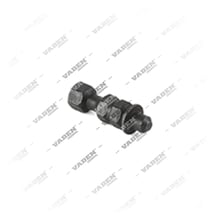
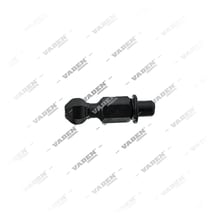
The mechanism shaft is a rotating part made of hardened steel, supported by needle or bushing bearings inside the caliper housing, with a coupling gear at one end and a connection to the thrust arm at the other. It functions as the central element of the automatic adjustment mechanism and forms a unit together with the other components of the caliper mechanism (gear, bushing, seal). Since the shaft's surface hardness and tolerance directly determine the precision of the automatic adjustment mechanism, it is subject to strict dimensional control during manufacturing.
What are the functions of a brake caliper mechanism shaft?
The shaft's main function is to transmit braking force to the pads while automatically compensating for pad wear clearance.
- Force transmission: Transmits the rotational motion coming from the pneumatic actuator to the thrust arm.
- Automatic adjustment: Compensates for the clearance that develops as the pad wears, maintaining consistent pedal/lever travel.
- Synchronization: Works in coordination with the gears and bushings inside the caliper to ensure smooth mechanism movement.
- Load bearing: Transfers the high torque generated during braking to the housing through the bearing surfaces.
- Consistent pedal feel: Keeps clearance constant, giving the driver the same pedal response with every brake application.
What are the symptoms of a brake caliper mechanism shaft failure?
When the shaft wears out or its bearing deteriorates, irregular braking performance and mechanical noises appear.
- Braking lag: When automatic adjustment fails, pedal travel increases and braking response is delayed.
- Metallic noise: A squeaking or knocking sound coming from inside the caliper.
- Uneven pad wear: Irregular shaft movement causes faster wear on one section of the pad.
- Seizure: Rust or contamination in the shaft bearing preventing free rotation.
- Longer stopping distance: An increased pad-to-disc clearance from faulty automatic adjustment lengthens the braking distance.
How is a brake caliper mechanism shaft inspected?
Inspection requires disassembling the caliper mechanism and examining the shaft together with its bearings.
- Visual check: Look for scratches, corrosion or wear marks on the shaft surface.
- Rotation test: Check whether the shaft rotates freely in its bearing without binding.
- Clearance measurement: Compare the radial clearance between the shaft and the bearing against the manufacturer's tolerance.
- Automatic adjustment test: With the caliper assembled, test whether the pad clearance adjustment mechanism works correctly.
- Seal check: Check the seal at the shaft end for sealing integrity against dust and moisture ingress.
What should be considered when replacing it?
Replacing the shaft is a precise process that requires disassembling the caliper mechanism.
- Replace as a set: Since the shaft is designed together with the gear and bushings, it should be evaluated together with these related mechanism parts.
- Lubrication: Apply the manufacturer's recommended grease to the bearing surfaces before assembly.
- Tightening torque: Caliper cover and fastening elements should be tightened to the manufacturer's value; the vehicle's current OE service manual is the reference for the exact value.
- Function test: Test the operation of the automatic adjustment mechanism after assembly.
How is the right brake caliper mechanism shaft selected?
Selecting the correct shaft requires evaluating the caliper model and series, gear profile and bearing type together.
Caliper mechanism shaft selection criteria| Criterion | Description |
|---|
| Caliper series | A shaft matching the vehicle's caliper model and series should be selected |
| Gear profile | The coupling gear at the shaft end must match the original part |
| Bearing type | A shaft matching the needle or bushing bearing structure should be preferred |
| OE reference | Should be cross-checked against the original equipment number |
| Seal compatibility | The seal dimension at the shaft end must exactly match the original |
Maintenance and service life
The brake caliper mechanism shaft is a part that requires lubrication during caliper maintenance intervals; regular greasing delays bearing wear. Dust, moisture and salty environmental conditions can cause corrosion on the shaft surface and shorten its service life. Checking shaft movement and the automatic adjustment function during periodic caliper maintenance is recommended. For vehicles operating on roads treated with road salt in winter, frequently checking seal integrity is important to prevent shaft corrosion.
VADEN Brake Caliper Mechanism Shaft
VADEN offers mechanism shafts matching OE dimensions for heavy commercial vehicle disc brake calipers. Made from hardened steel, the products are included in the catalog matched to the gear profile specific to each caliper series and cross-referenced with the original part number.
Frequently Asked Questions (FAQ)
What does a brake caliper mechanism shaft do
It transmits braking force to the pad thrust arm and works together with the automatic adjustment mechanism to compensate for pad wear clearance.
What symptoms appear when the mechanism shaft fails
Delayed brake pedal response, metallic noise from inside the caliper and uneven pad wear are the most common symptoms.
Is the shaft replaced on its own
Since the shaft is designed together with the caliper mechanism's gear and bushings, it is recommended to evaluate it together with these parts.
What causes the shaft bearing to seize
Rust or dirt accumulating on the bearing surface can prevent the shaft from rotating freely and cause seizure.
How do you choose the correct mechanism shaft
Select a shaft matching the caliper's model and series, gear profile and bearing type, using the correct OE reference number.