What Is a Brake Chamber Seal?
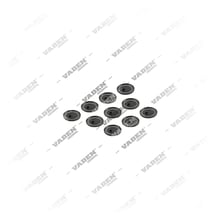
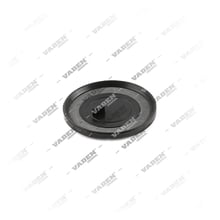
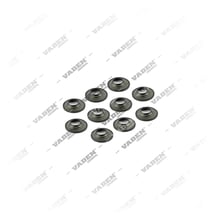
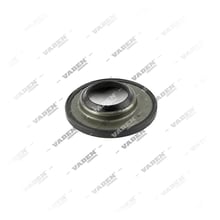
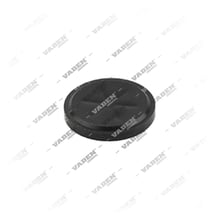
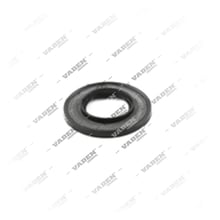
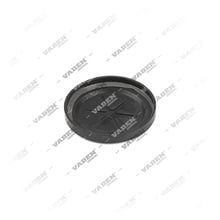
A brake chamber seal is the rubber or elastomer-based sealing element on heavy commercial vehicles that keeps the piston or push rod travel points of the brake chamber (the actuator unit that drives the brake caliper) airtight and free of moisture ingress. In the field it is also called a "chamber gasket," "actuator seal," or "brake chamber sealing ring." Inside the brake chamber unit mounted on the caliper body, it sits where the diaphragm-driven push rod exits the housing, and at the interface where the chamber body seats against the caliper block. Its job is simple but critical: transfer the chamber's pneumatic force outward with a permanent seal and no air leakage. Once it wears or hardens, both pressure loss and moisture or dirt ingress begin, directly affecting the entire brake caliper - brake chamber chain.
How Does a Brake Chamber Seal Work?
As the brake chamber operates, pressurized air from the air reservoir pushes the diaphragm and moves the push rod; this motion is transferred to the caliper mechanism, pressing the pads against the disc or drum. The seal does its work in exactly this gap between the moving rod and the fixed housing; as the rod travels back and forth with every brake application, the lip contacts the rod surface and blocks both air leakage and the entry of dust, water, and salt. Its elastomer construction provides both static and dynamic sealing, flexing and returning to shape thousands of times over the vehicle's braking cycles. Over time, repeated motion, temperature swings, and road grime reduce the seal's flexibility, micro-cracks form at the lip edge, and sealing loss begins.
Brake Chamber Seal Technical Specifications
Material, inner and outer diameter, and temperature resistance are the deciding criteria when selecting a brake chamber seal. Dimensions vary by caliper and chamber manufacturer and are produced to millimetric tolerances; the wrong size leads to slippage or premature wear. Exact figures for temperature and pressure tolerance vary by vehicle and caliper model, so checking the vehicle's current service manual or original part code before installation is essential.
- Primary Material: NBR (nitrile rubber) or a high-temperature-resistant FKM (Viton) based compound.
- Location: The moving interface between the brake chamber housing and the push rod.
- Tolerance: Millimetric inner and outer diameter match specific to the caliper and chamber manufacturer.
- Pressure Class: Sealing capacity matched to the operating pressure of the pneumatic brake circuit.
Brake Chamber Seal Selection and Compatibility Criteria| Criterion | Description |
|---|
| Location | Brake chamber unit on the brake caliper, at the push rod exit point |
| Primary Material | NBR (nitrile rubber) or a high-temperature-resistant FKM compound |
| Function | Prevents air leakage; seals against moisture, dust, and salt ingress |
| Dimensional Fit | Millimetric inner and outer diameter tolerance per caliper and chamber manufacturer |
| Vehicle Compatibility | Mercedes-Benz, MAN, Scania, Volvo, DAF, Iveco, Renault Trucks heavy vehicles |
| Replacement Timing | Visible air leak, hardening, or during periodic caliper maintenance |
Brake Chamber Seal Types and Subgroups
- Push Rod Seal: Positioned around the push rod at the chamber housing exit; the most commonly worn and replaced type.
- Housing Interface Seal: Provides the air seal at the interface between the chamber housing and the caliper block.
- Dust Boot Type Seal: A secondary barrier on the rod alongside the standard seal, reducing dirt and moisture ingress.
- High-Temperature Seal (FKM): Preferred close to the brake disc or drum, where heat load is high.
- Standard Rubber Seal (NBR): An economical, widely used variant for moderate temperature and moisture conditions.
How to Choose the Right Brake Chamber Seal?
Choosing the right brake chamber seal starts with confirming the vehicle's chamber and caliper brand, model, and chassis number; seals that look identical can have different inner and outer diameters and lip profiles across manufacturers. Based on the criteria in the table above, an FKM-based seal should be chosen for high-heat zones, while an NBR-based seal is preferred in standard locations. Before ordering, the OEM part code or chamber serial number should be checked against the VADEN ORIGINAL catalog, and installation should never proceed without dimension confirmation. Choosing the wrong size or material quickly leads to repeat air leaks and wasted labor.
Brake Chamber Seal Maintenance and What to Watch For
- Pre-Installation Surface Cleaning: The rod and housing surface must be cleared of dirt, rust, and old seal residue before fitting the new seal.
- Correct Installation Orientation: If the seal lip is fitted in reverse, it cannot seal properly; follow the manufacturer's installation instructions.
- Avoid Excessive Force or Impact: Use the proper installation tool; forcing the seal with a hammer can damage the lip cross-section.
- Periodic Visual Inspection: During brake maintenance, check the area around the chamber for wetness, hissing, or dirt buildup.
- Use Original-Dimension Parts: Dimension and material deviation is common in equivalent products; parts built to OE dimensions, such as VADEN ORIGINAL, should be preferred.
Common Failures and Solutions
- Hissing Sound from the Chamber Area: Hardening or lip wear of the push rod seal; the seal must be replaced with a new one of the original dimensions.
- Delayed or Weak Brake Response: Pressure loss inside the chamber; the seal and, if present, the diaphragm should be checked together.
- Moisture or Rust Buildup Around the Chamber: The housing interface seal is failing to do its job; the seal and the mounting surface should be re-examined.
- Leak Recurs Shortly After Replacement: Wrong size, incorrect installation orientation, or a dirty mounting surface; the installation steps should be checked again.
Why VADEN ORIGINAL?
- Manufactured to OE Dimensions: Chamber seals are produced with inner and outer diameters and lip profiles matching original equipment tolerances.
- Extensive OEM Cross-Reference: A cross-reference catalog for Wabco and Knorr-Bremse type chamber applications gives easy access to the correct part.
- Temperature- and Pressure-Resistant Material: NBR and FKM based options are designed for the demanding conditions of heavy commercial vehicle brake systems.
- Export Experience to Over 100 Countries: Tested across different climates and usage conditions, delivering consistently reliable sealing.
Conclusion
Despite its small size, the brake chamber seal is a critical component that directly affects the air-tightness of the brake caliper - brake chamber chain, and therefore braking safety. A seal chosen in the correct size and material, and installed correctly, prevents unnecessary air loss and premature caliper failure. VADEN ORIGINAL brake chamber seals, built to OE dimensions, offer a reliable, long-lasting sealing solution for heavy commercial vehicle fleets.
Frequently Asked Questions (FAQ)
What does a brake chamber seal do?
A brake chamber seal prevents air leakage at the point where the push rod inside the brake chamber moves, and it blocks moisture, dust, and dirt from entering from the outside environment. This ensures the pneumatic force generated by the chamber is transferred to the caliper mechanism without loss.
What symptoms appear when a brake chamber seal fails?
The most common symptoms are a hissing air leak sound from around the chamber, a delayed or weak response at the brake pedal, and moisture or rust buildup around the chamber housing. If any of these symptoms are seen, the seal and the mounting surface should be checked.
What material is a brake chamber seal made from?
In standard applications, NBR (nitrile rubber) based seals are used, while high-temperature-resistant FKM (Viton) based seals are preferred in locations with high heat load. The correct material choice should be determined based on the installation location and the vehicle's operating conditions.
How often should a brake chamber seal be replaced?
There is no fixed replacement interval; the seal's service life varies with operating conditions, temperature exposure, and road grime. A visual check during periodic brake maintenance is recommended, and the seal should be replaced immediately if signs of air leakage or hardening appear.
Which vehicles are VADEN ORIGINAL brake chamber seals compatible with?
VADEN ORIGINAL brake chamber seals are manufactured to the correct dimensions for Wabco and Knorr-Bremse type brake chamber units used on heavy commercial vehicles such as Mercedes-Benz, MAN, Scania, Volvo, DAF, Iveco, and Renault Trucks. The match should be verified using the OEM part code before ordering.