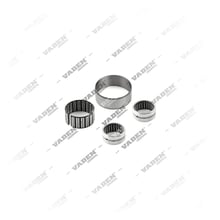
What Is a Caliper Mechanism Bearing?
A caliper mechanism bearing supports the moving elements inside the actuation mechanism of a heavy commercial vehicle's air disc brake caliper as they transmit clamping force. The application lever, bridge shaft, adjuster spindle, and thrust pins carry the chamber's push through to the pad, seeing high point loads at every contact surface. The needle bearings, thrust bearings, rollers, and bushings spreading this load are also known as caliper bearings, eccentric bearings, or mechanism bearing kits. Unlike hub or compressor bearings, this group works only inside the caliper mechanism, sized to the caliper housing itself.
How Does a Caliper Mechanism Bearing Work?
When the driver presses the brake pedal, the brake chamber pushes the caliper's application lever. The eccentric geometry amplifies this push and carries it through the bridge and thrust pins to the pad, and at every contact point the bearing group turns sliding friction into rolling friction.
- Force transmission: The needle bearing on the eccentric lever converts the chamber's push into rotary motion with minimal loss.
- Load distribution: Thrust bearings spread the high point pressure behind the lever over a wider area, preventing housing wear.
- Axial alignment: The bridge and adjuster spindle bearings keep the thrust pins square to the pad.
- Free return: When the pedal is released, the return spring pulls the mechanism back; a free-turning bearing lets the pad release cleanly from the disc.
Caliper Mechanism Bearing Technical Specifications
Because these elements carry high static loads in a confined space, they are typically cageless needle rollers, thin-wall races, or rollers running on a hardened surface. The material is bearing steel, hardened and protected against corrosion with phosphate- or zinc-based coatings. Since caliper temperatures rise sharply on long descents, high-temperature grease and durable seals are preferred.
- Sizing logic: Bore, outer diameter, and width are fixed by the caliper housing; even a small deviation upsets the load distribution.
- Load type: Needle bearings mainly handle radial load, while thrust and roller bearings carry the axial load.
- Sealing: The seal and dust boot that keep out water, salt, and grime are the critical factor in bearing life.
- Compatibility: Caliper type and OE part number must be verified together.
Caliper Mechanism Bearing Types and Subgroups
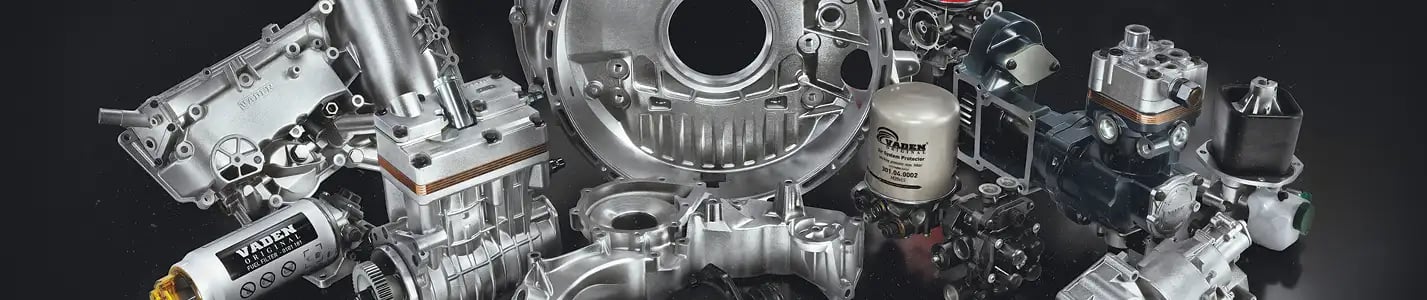
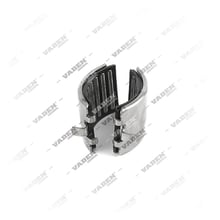
- Needle bearings: The most common type, supporting the eccentric lever and bridge shaft and carrying high radial loads in a narrow space.
- Thrust bearings: Used on the back face of the lever; they transfer the chamber's push into the housing and prevent binding.
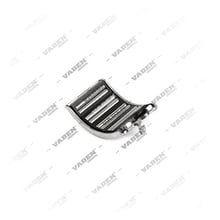
- Roller sets: On some calipers, a row of rollers contacts the eccentric surface directly and is hardened for high contact pressure.
- Bushings and plain bearings: Used around the thrust pin and adjuster spindle for low-speed, high-load motion.
- Bearing repair kits: Bundle the bearings, seals, and washers for an overhaul into one package, a safer approach than piece-by-piece replacement.
How to Choose the Right Caliper Mechanism Bearing
The right choice starts with correctly identifying the caliper. Make and model alone are not enough, since the same model can use different caliper families by axle type and production year. Check the type or casting number on the housing together with the OE reference of the existing bearing. Confirm dimensions with a caliper gauge to avoid fitting a similar-looking bearing of the wrong width.
Caliper Mechanism Bearing Selection and Compatibility Criteria| Criterion | What to Check | Why It Matters |
|---|
| Caliper type | Type or casting number on the housing | One vehicle may use more than one caliper family |
| OE reference | Original part number of the removed bearing | Most reliable way to cross-match |
| Bearing type | Needle, thrust, roller, or bushing | Wrong load direction makes the bearing fail quickly |
| Dimension set | Bore, outer diameter, and width | A small mismatch causes play or binding |
| Sealing package | Seals, dust boots, and washers included in the kit | An old seal quickly contaminates the new bearing |
| Vehicle application | Mercedes-Benz, MAN, Scania, Volvo, DAF, Iveco, BMC caliper types | Caliper architecture differs by manufacturer |
| Assembly values | Tightening torque and grease type | Varies by caliper type; follow the manufacturer's current service manual |
Caliper Mechanism Bearing Maintenance and What to Watch For
Because these bearings operate in a sealed space, they follow the caliper's general maintenance schedule rather than a separate lubrication plan. During pad replacement or routine brake service, inspect the mechanism's free movement and the dust boots. A torn boot is the starting point of almost every bearing failure.
- Check the boot and seal: A torn or displaced sealing element means replace it now, before the bearing itself is damaged.
- Watch the free movement: Checking the application lever's play and the adjuster's step catches binding early.
- Fit it clean: A bearing installed without cleaning the bore and shaft will score from leftover swarf or rust.
- Use the right tools: Press needle bearings in with a proper installation tool, never drive them in with a hammer.
- Renew as a set: If one bearing is damaged, the other bearings and bushings in the same mechanism have likely fatigued too.
Common Failures and Their Solutions
- Brake won't release, pad drags: A seized or corroded bearing; remove the caliper, inspect the bearings and bushings, and renew damaged elements with the seal kit.
- Uneven, one-sided pad wear: Play in the bridge or thrust pin bearing keeps the pad off-square to the disc; fit a repair kit where needed.
- Metallic noise and vibration under braking: The rolling surface may be scored or a needle broken; open the mechanism and replace any marked elements.
- Automatic adjuster not working: Friction in the adjuster spindle bearing stops clearance compensation and pedal travel grows; renew the bearing set.
- Water and dirt entering the caliper: Follows a torn boot or faulty assembly; once corrosion starts, replace the bearings and seals together.
Why VADEN ORIGINAL?
VADEN ORIGINAL caliper mechanism bearings are made to the housing and shaft dimensions of the original part, so they install without extra machining. Production uses bearing steel with controlled surface hardening, with coatings chosen for road salt and moisture exposure. The range ships with a broad OEM cross-reference list covering the caliper families common on heavy commercial vehicles, and is exported to more than 100 countries.
Conclusion
The caliper mechanism bearing is the quiet but decisive part of an air disc brake caliper: braking-force transfer, even pad wear, and a working automatic adjuster all depend on its condition. For the right selection, verify caliper type and OE reference together and compare dimensions to the removed part. Replace it under clean conditions with the sealing elements, following the manufacturer's current service manual for tightening torques.
Frequently Asked Questions (FAQ)
What does a caliper mechanism bearing do?
It supports the moving elements inside an air disc brake caliper, such as the application lever, bridge shaft, and adjuster spindle. It carries the push from the brake chamber through to the pad with minimal friction and lets the mechanism return freely once the pedal is released.
How can you tell a caliper mechanism bearing has failed?
The most common signs are a brake that releases slowly, a pad that drags on the disc, and one-sided pad wear. Metallic noise or vibration under braking, and an automatic adjuster that stops working, also point to bearing damage. Remove the caliper and check bearing play and the rolling surfaces.
Should a caliper bearing be replaced on its own or as a set?
Replacing it as a set is recommended whenever possible. Bearings in the same mechanism see similar load and temperature, so once one has failed the others should be considered fatigued as well. If the seal and dust boot are not renewed too, the new bearing will get contaminated within a short time.
How do I choose the right caliper mechanism bearing?
The vehicle's make and model alone are not enough; the type or casting number on the caliper housing must be checked together with the OE reference of the existing bearing. Confirm the selection by measuring the removed part's bore, outer diameter, and width with a caliper gauge.
What should you pay attention to when fitting a caliper mechanism bearing?
The housing bore and shaft surfaces must be completely free of rust and swarf, and needle bearings should be pressed in with a proper installation tool rather than driven in with a hammer. Use the high-temperature grease specified for the caliper, and follow the vehicle manufacturer's current service manual for tightening torques.
Related technical guide: Brake Caliper Mechanism: Camshaft, Bearings, and Return Spring