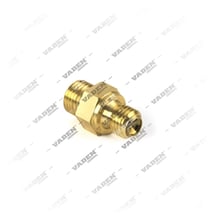
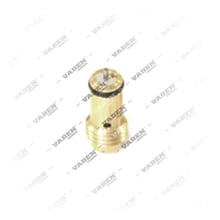
What Is a Check Valve?
A check valve is a one-way, spring-loaded valve fitted in the air line between the suspension air processing unit (or ECAS valve block) and the air spring. It allows air to flow forward into the bellows to raise ride height or add pressure, then snaps shut the instant flow reverses, sealing that pressure inside the air spring. This is also called a non-return valve or one-way air valve. Because air suspension bellows have to hold a set pressure for hours or days between compressor runs, a worn or stuck check valve is one of the most common causes of a truck or trailer settling low overnight or an ECAS system throwing a height fault at start-up.
What Does a Check Valve Do?
- One-Way Air Flow: Lets compressed air pass into the air spring circuit but never lets it flow back the other way.
- Bellows Pressure Retention: Keeps the air spring pressurized between compressor cycles, holding ride height overnight or during long stops.
- Backflow Protection: Stops air from draining back through the supply line if a leak, fault, or pressure drop occurs upstream.
- ECAS System Stability: Supports accurate height-sensor readings by preventing unexplained pressure loss in the circuit.
- Compressor Load Reduction: Reduces how often the compressor has to top up the system, easing wear on the air processing unit.
Check Valve Technical Specifications
| Specification | Description |
|---|
| Valve type | One-way / non-return (check) valve |
| Application | Air suspension and ECAS bellows circuits |
| Operating principle | Spring-loaded ball or disc, opens with forward flow, seals on reverse flow |
| Main components | Valve body, spring, sealing ball/disc, gasket, threaded inlet/outlet ports |
| Body material | Durable metal or reinforced composite housing |
| Sealing | Rubber or polymer seal for airtight pressure retention |
| Connection | Push-fit or threaded air-line fittings |
| Compatible vehicles | Trucks, tractor units, buses, and trailers with air suspension or ECAS |
Check Valve Components and Types
- Valve Body: The housing that air passes through and that holds the spring and sealing element in place.
- Spring and Sealing Element: The spring-loaded ball or disc that opens for forward flow and clamps shut to block backflow.
- Gasket/Seal: Keeps the connection airtight so pressure isn't lost at the fitting itself.
- Inlet and Outlet Ports: Threaded or push-fit connections that fix the direction of airflow into the suspension circuit.
- In-Line vs. Block-Mounted: Available as a stand-alone in-line fitting or integrated into the air processing unit / ECAS valve block.
Check Valve Maintenance
- Inspect for Air Leaks: Listen and feel around the valve body and fittings for hissing or leaking air, especially after the vehicle sits overnight.
- Check Ride Height Daily: A vehicle that sags on one side or drops overnight often points to a leaking or stuck check valve.
- Keep Connections Clean and Tight: Dirt or moisture at the fitting can prevent a proper seal; clean and re-tighten push-fit connections as needed.
- Test Under Pressure: With the system charged and the engine off, monitor for pressure drop over time to confirm the valve is holding.
- Use Genuine Parts: Fit OE-standard components such as VADEN ORIGINAL to avoid premature seal wear and repeat failures.
Common Check Valve Faults and Fixes
- Ride Height Drops Overnight: A slow air leak back through the valve lets the bellows lose pressure while parked; replace the check valve.
- Vehicle Sags on One Corner: A stuck or worn valve on one air spring line causes uneven ride height side to side; test and replace the affected valve.
- ECAS Height Fault at Start-Up: The control unit can flag a fault if it detects unexpected pressure loss caused by a failed check valve; inspect the valve before replacing sensors.
- Hissing or Leaking Air: Air escaping at the valve body or fitting usually means a worn seal or cracked housing; renew the valve rather than just the fitting.
- Compressor Cycling Too Often: If the compressor keeps kicking in to maintain pressure, a leaking check valve is a likely cause; check the valve before assuming a compressor fault.
Why Choose VADEN ORIGINAL Check Valve?
- Durable Materials: Manufactured with high-grade seals and housings built to hold pressure reliably over the long term.
- OE Standards: Produced to original equipment specifications for a precise fit and consistent airtight sealing.
- Wide Product Range: Fitments available for a broad range of truck, tractor unit, bus, and trailer air suspension systems.
- Technical Support: Expert guidance available for correct part selection and installation.
Frequently Asked Questions (FAQ)
What does a check valve do in air suspension?
It lets compressed air flow into the air spring (bellows) but blocks it from flowing back out. This keeps the bellows pressurized and ride height stable between compressor cycles, including overnight while the vehicle is parked.
Is a check valve the same as a non-return valve?
Yes. Check valve, one-way valve, and non-return valve all describe the same component: a valve that allows airflow in only one direction and seals shut against reverse flow.
Why does my truck sag overnight if the compressor works fine?
This is a classic sign of a leaking check valve. Even with a healthy compressor and air processing unit, a worn check valve lets pressure bleed back out of the air spring while the vehicle is parked, so ride height drops by morning.
Can a bad check valve cause an ECAS fault code?
Yes. If the check valve leaks, the height sensor detects a drop that doesn't match the expected system state, and the ECAS control unit can log a height or leveling fault. It's worth checking the check valve before replacing sensors or the control unit.
Which vehicles and systems use this check valve?
It's used in the air suspension and ECAS circuits of heavy commercial vehicles such as trucks, tractor units, buses, and trailers, including chassis from Mercedes-Benz, MAN, Scania, Volvo, DAF, Iveco, Renault, BMC, and Ford.
How do I know if my suspension check valve needs replacing?
Watch for ride height sagging overnight, the vehicle sitting uneven on one corner, hissing air near the valve or fittings, and a compressor that cycles more often than normal. Any of these point to a check valve that's no longer sealing properly.
Conclusion
The check valve is a small component with an outsized job in air suspension: sealing air inside the bellows so ride height stays stable between compressor cycles. VADEN ORIGINAL check valves are built to OE standards with durable seals and precise fitment, helping trucks, buses, and trailers hold their height reliably. Checking this valve first, before sensors or the ECAS unit, is often the fastest way to solve a sagging or fault-prone air suspension system.