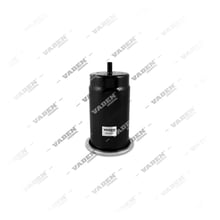
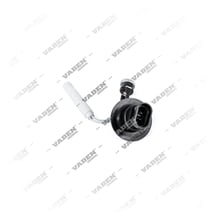
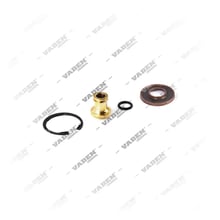
What Is an Air Dryer Valve?
An air dryer valve (also called a desiccant dryer or air processing unit) is a critical component in heavy-vehicle air brake systems that removes moisture, water, oil, and contaminants to protect brake components. Powered by the air compressor, it ensures that clean, dry air reaches all parts of the air brake system, extending component life and optimizing braking performance. Found in trucks, buses, trailers, and industrial vehicles with air brakes, it filters incoming air to eliminate dampness and foreign materials. The valve automatically condensates water vapour and periodically purges accumulated moisture and contaminants, delivering dry air to storage tanks and brake circuits for safe, reliable stopping power.
Key Functions of an Air Dryer Valve
- Removes moisture and water: Reduces water content in brake system air, preventing rust and freeze-up in cold conditions.
- Prevents corrosion: Protects brake components and steel lines from oxidation and degradation.
- Improves braking performance: Cleaner, drier air shortens stopping distance and ensures maximum safety.
- Prevents freeze-up: Eliminates moisture that could form ice crystals in air lines during winter operation.
- Automatic purge function: Periodically discharges accumulated water and contaminants from the system.
- Separates oil particles: Removes compressor oil aerosols to maintain system efficiency and air quality.
Air Dryer Valve Technical Specifications
| Feature | Description |
|---|
| Product name | Air Dryer Valve / Desiccant Dryer / Air Processing Unit |
| Application | Heavy-duty air brake systems: trucks, buses, trailers, construction equipment |
| Primary function | Moisture, water, oil, and particulate removal; automatic purge; dry air supply |
| Main components | Air filter, moisture separator, purge valve, coalescent filter, pressure regulator |
| Filter types | Coalescent filter and desiccant (silica-gel) absorption filter |
| Service interval | Every 1-2 years or 40,000–80,000 km depending on duty cycle |
| Compatible OE brands | Mercedes-Benz, MAN, Scania, Volvo, DAF, Iveco, Renault, BMC, Ford, Wabco, Knorr-Bremse equivalents |
| Quality standard | OE (original equipment) quality, VADEN ORIGINAL manufacture |
Components and Filter Types
- Air filter element: Captures dust and particle contaminants to shield downstream brake components.
- Moisture separator: Condenses water vapour in compressed air into liquid form for removal.
- Purge valve: Automatically vents accumulated water and dirt to keep the system clean.
- Coalescent filter: Combines fine oil and water droplets into larger drops that settle and drain away, improving system efficiency.
- Desiccant cartridge: Silica-gel or similar hygroscopic material absorbs remaining moisture for ultra-dry air output.
- Pressure regulator: Maintains consistent air pressure for stable, reliable brake system operation.
Maintenance and Service
- Replace cartridge regularly: Change the desiccant or coalescent cartridge annually or per manufacturer guidance; bi-annual replacement optimises performance.
- Check for leaks: Inspect valve connections, hoses, seals, and purge points for air loss or moisture seepage.
- Test purge operation: Verify that the valve drains accumulated water correctly at scheduled intervals.
- Monitor desiccant condition: Look for signs of saturation; replace cartridge if moisture builds up excessively.
- Clean valve body: Remove dirt and sediment buildup that could restrict airflow or clog internal passages.
- Use genuine replacement parts: Fit OE-quality spares like VADEN ORIGINAL to ensure optimal performance and long service life.
Common Faults and Solutions
- Reduced braking distance: If stopping power diminishes, the valve cartridge may be exhausted; inspect and replace filter elements and the valve if necessary.
- Water accumulation in brake tanks: Standing water in air tanks indicates valve malfunction; check the moisture separator and desiccant cartridge.
- Excessive noise or hissing: Abnormal sounds from the valve suggest internal damage or blockage; inspect the purge mechanism and seals.
- Air leaks: Worn seals or cracked connectors cause pressure loss; replace gaskets and refitting points.
- Visible corrosion on brake lines: Rust on air lines or brake cylinders signals moisture bypass; renew the valve unit.
- Brake warning light activated: System warnings mean air pressure or valve integrity is compromised; have a qualified technician diagnose and repair.
Why Choose VADEN ORIGINAL Air Dryer Valve?
- Heavy-duty durability: Built with premium materials for long-term, reliable service in demanding transport applications.
- OE quality assurance: Meets original equipment manufacturer standards for fit, function, and safety.
- Comprehensive range: Compatible options for Mercedes-Benz, MAN, Scania, Volvo, DAF, Iveco, Renault, BMC, Ford, and other leading brands.
- Lower maintenance costs: Superior air processing reduces corrosion and component wear, cutting long-term service expenses.
- Expert support: Professional guidance on part selection, installation, and troubleshooting ensures a perfect fit and optimal results.
Frequently Asked Questions (FAQ)
What vehicles use an air dryer valve?
Any commercial vehicle with an air brake system benefits from an air dryer valve. This includes trucks, buses, articulated trailers, and industrial equipment from manufacturers such as Mercedes-Benz, MAN, Scania, Volvo, DAF, Iveco, Renault, BMC, and Ford.
How often should I replace an air dryer valve cartridge?
Most manufacturers recommend replacing the desiccant or coalescent cartridge once every 1–2 years or every 40,000–80,000 km, depending on operating conditions and air quality. Damp or dusty environments may require more frequent changes.
How do I know if my air dryer valve is failing?
Watch for water pooling in brake air tanks, prolonged braking distances, hissing or unusual noises from the valve, air-line corrosion, weak brake response, or activation of the brake warning light on your dashboard.
What's the difference between an air dryer valve and a desiccant cartridge?
The air dryer valve is the complete assembly containing the moisture separator, purge valve, filter, and pressure regulator. The desiccant cartridge (or coalescent cartridge) is a consumable insert inside the valve that absorbs moisture; it is replaced periodically as part of routine maintenance.
Can I replace an air dryer valve myself?
Yes, if you have mechanical skill. The main challenge is safely releasing air pressure from the system before removal. For safety and correct installation, it's often best to have a qualified technician handle the job and verify compatibility with your specific vehicle.
Why is removing moisture so important in air brake systems?
Moisture in brake air causes rust on internal components, freezes at low temperatures (blocking air lines), and degrades seals and gaskets. An air dryer valve prevents these problems, ensuring brake reliability, longer component life, and safer vehicle operation year-round.
Conclusion
An air dryer valve is vital to the health and safety of your air brake system. By removing moisture and contaminants, it protects components from corrosion and freeze-up, maintains consistent braking performance, and reduces maintenance costs over the life of your vehicle. Regular cartridge replacement, preventive checks, and the use of OE-quality parts like VADEN ORIGINAL air dryer solutions keep your brake system working at peak efficiency. For trucks, buses, trailers, and heavy-duty vehicles, investing in a reliable air dryer valve is an investment in safety and long-term reliability.
Learn more: Air Brake System Diagram · Technical Guide (PDF)