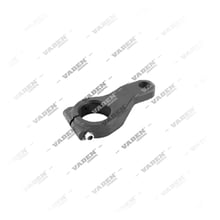
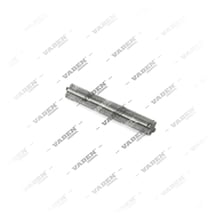
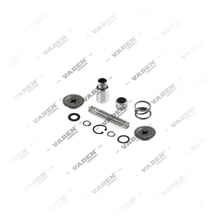
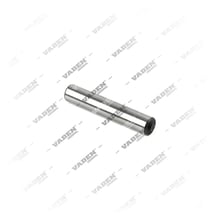
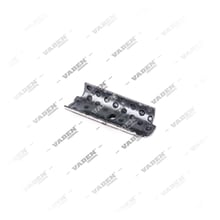
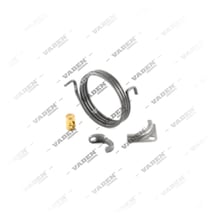
What Is a Movement Lever (Brake Caliper Lever)?
The movement lever (also called the caliper lever) is a mechanical component positioned within an air disc brake caliper that converts pneumatic pressure from the brake actuator into linear motion that pushes the brake pads against the rotor. It transfers force from the brake bag cylinder to the caliper mechanism, ensuring pads engage evenly and precisely. This action is fundamental to responsive braking and consistent stopping performance. On heavy-duty vehicles including trucks, tractors, buses, and trailers equipped with air brake systems, the movement lever is essential for maintaining brake safety. It is widely used across brake systems from leading manufacturers such as Mercedes-Benz, MAN, Scania, Volvo, DAF, Iveco, Renault, BMC, Ford, Wabco, and Knorr-Bremse.
Movement Lever Functions
- Transmit Brake Pressure to Pads: Converts air pressure from the brake actuator into mechanical force that pushes pads firmly against the brake rotor for effective braking.
- Ensure Balanced Pad Engagement: Maintains equal contact between both brake pads and the rotor, preventing uneven wear and improving stopping consistency.
- Enable Precise Force Transfer: Accurately communicates brake pressure changes to the pad assembly, enabling responsive and controlled deceleration.
- Reduce Noise and Vibration: A well-functioning lever minimizes brake squeal, chatter, and vibration that can occur during hard braking.
- Extend Component Life: Proper load distribution and smooth operation protect brake pads, rotors, and related components from premature wear.
Movement Lever Technical Specifications
| Specification | Details |
|---|
| Part Name | Movement Lever / Brake Caliper Lever |
| System | Air Disc Brake Caliper Assembly |
| Primary Function | Transfer brake pressure to pads |
| Material | High-tensile forged steel / ductile iron |
| Application | Air disc brakes on heavy-duty trucks, tractors, buses, trailers |
| Compatible Brands | Mercedes-Benz, MAN, Scania, Volvo, DAF, Iveco, Renault, BMC, Ford |
| Manufacturing Standard | OEM specification compliance |
| Product Range | 101+ variants for different vehicle applications |
Movement Lever Types and Related Components
- Standard Caliper Movement Levers: Basic design levers found in conventional air disc brake systems, suited for general heavy-duty applications.
- Load-Sensitive Levers: Engineered for optimal performance under varying load conditions, enhancing brake response on overloaded vehicles.
- Heavy-Duty Tractor Levers: Reinforced design specifically for high-torque brake applications in tractor and articulated vehicle units.
- Automatic Wear Compensation Levers: Incorporate self-adjusting features that compensate for pad wear, maintaining consistent brake performance over component life.
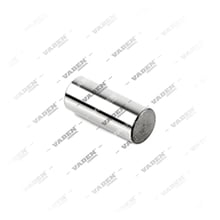
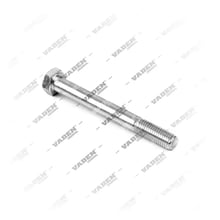
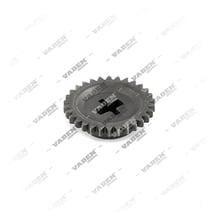
- Related Brake Components: Works in conjunction with the caliper housing, pad carrier, brake bag (air cylinder), and repair kits for complete brake system function.
Movement Lever Maintenance and Care
- Regular Visual Inspection: Periodically check the lever for signs of cracking, corrosion, or physical damage that could affect braking performance.
- Lubrication Schedule: Apply manufacturer-recommended grease to moving joints and pivot points to ensure smooth, responsive action and prevent binding.
- Coordinated Pad Replacement: When replacing brake pads, inspect the lever for free movement and check the brake bag seal for leaks or degradation.
- Use Genuine VADEN ORIGINAL Parts: Select OEM-standard replacement components to maintain brake system reliability and stopping capability.
- Professional Alignment and Setup: Have a qualified technician properly install and adjust the movement lever to ensure optimal clearance and pad-to-rotor contact.
Common Faults and Troubleshooting
- Reduced Brake Response or Lag: Delayed or weak braking action; inspect the lever mechanism for stiction or wear, and verify brake bag pressure and condition.
- Brake Noise During Operation: Squealing, chirping, or clicking sounds; often caused by loose lever pivots, dry hinges, or pad chatter—lubricate and check fasteners.
- Uneven Brake Pad Wear: Pads wearing asymmetrically on the rotor face; check lever alignment, verify it is not stuck or binding, and measure clearances.
- Lever Stiction or Seizure: Caliper does not retract after braking; corrosion, dried grease, or mineral deposits lock the lever—clean, grease, or replace if damage is irreversible.
- Brake Bag Seal Failure or Leakage: Air loss around the actuator cylinders reduces braking force; inspect the seal condition and lever bore—the bag and lever often require replacement together.
Why Choose VADEN ORIGINAL Movement Levers
- OEM-Grade Build Quality: Manufactured to original equipment specifications, ensuring perfect fit and long-term reliability in demanding commercial service.
- Durable Forged Steel Construction: Premium materials engineered to withstand high pressure cycles and heavy-duty driving conditions over many service years.
- Extensive Application Coverage: Over 101 product variants ensuring compatibility across Mercedes, MAN, Scania, Volvo, DAF, Iveco, Renault, BMC, and Ford platforms.
- Expert Technical Support: VADEN's specialist team assists with correct part selection, installation guidance, and maintenance recommendations.
Frequently Asked Questions (FAQ)
What does a movement lever do in a brake caliper?
The movement lever transfers air pressure from the brake actuator to the brake pads, forcing them against the rotor for braking. It ensures balanced pad engagement and consistent stopping power in air disc brake systems on heavy-duty vehicles.
What are the signs of a failing or stuck movement lever?
Common symptoms include delayed or weak brake response, brake noise (squealing or clicking), uneven pad wear across the rotor, and caliper seizure where the brake does not fully release. These issues often indicate lever binding, corrosion, or wear requiring inspection and replacement.
Which vehicle types use movement levers in their brakes?
Movement levers are standard in air disc brake systems on heavy-duty commercial vehicles including trucks, tractors, buses, and trailers from brands such as Mercedes-Benz, MAN, Scania, Volvo, DAF, Iveco, Renault, BMC, Ford, and other heavy equipment manufacturers.
Can a movement lever be replaced separately, or must the entire caliper be changed?
In many cases, the movement lever can be replaced individually if damage is isolated. However, if the brake bag (air cylinder), caliper housing, or other components are also worn or leaking, replacing the lever as part of a complete caliper overhaul or repair kit is recommended.
How can I extend the service life of a movement lever?
Perform regular visual inspections for cracks and corrosion, lubricate pivot joints with manufacturer-approved grease, check the brake bag seal for leaks during pad changes, and use genuine OEM-quality parts like VADEN ORIGINAL to maintain system reliability.
Are VADEN ORIGINAL movement levers built to OEM standards?
Yes, VADEN ORIGINAL movement levers are engineered and manufactured to meet original equipment specifications, delivering the same quality, fit, and performance as OEM components. Available in over 101 variants for compatibility across major heavy-duty vehicle platforms.
Conclusion
The movement lever is a vital link in air disc brake systems, converting pneumatic pressure into the mechanical force that safely stops heavy-duty vehicles under load. VADEN ORIGINAL's precision-engineered movement levers combine durable forged steel construction with OEM-compliant design, ensuring reliable braking performance across trucks, tractors, buses, and commercial trailers. With regular maintenance—inspecting for wear, lubricating pivot points, and replacing seals or damaged components—you can maximize brake safety and extend component life, keeping your fleet operating at peak efficiency.