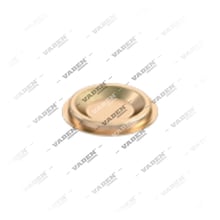
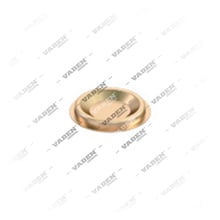
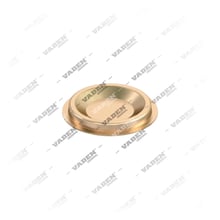
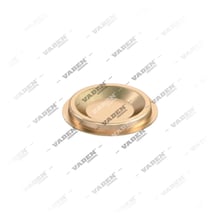
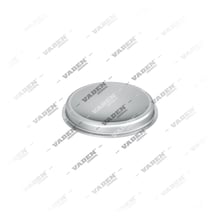
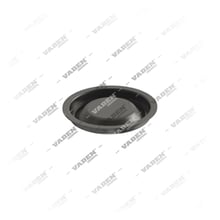
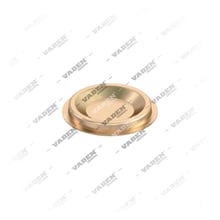
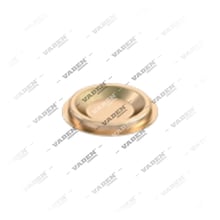
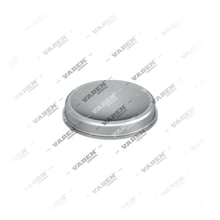
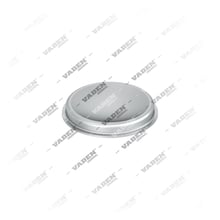
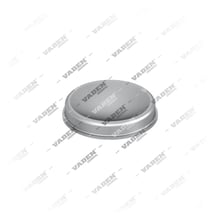
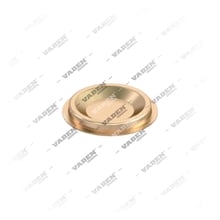
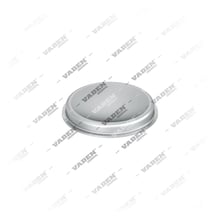
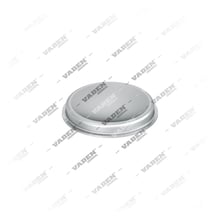
What Is a Compressor Parts Plug?
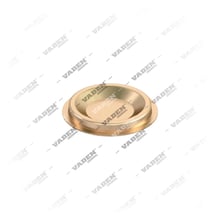
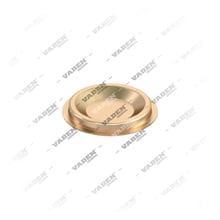
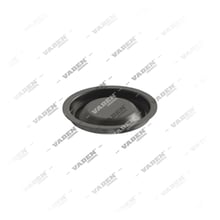
A Compressor Parts Plug is a small but functional component used to seal off the oil, air, and control passages on the housing of a heavy-duty commercial vehicle's air brake compressor. These plugs work at oil fill and drain channels, unused connection ports, housing bores that require a blanking plug, and certain valve seats. In the field they are sometimes called a "compressor blanking plug," "oil plug," or "port plug." Although a Compressor Parts Plug is not a moving part in itself, it isolates the compressor's internal pressure and lubrication circuit from the outside environment and so preserves the integrity of the whole system. If it is not fitted with the correct torque and the correct gasket material, even this seemingly minor part can cause serious oil or air loss in the compressor.
How Does a Compressor Parts Plug Work?
A Compressor Parts Plug is installed by tightening it into a threaded or gasket-seated bore in the compressor housing, and at that point it blocks both liquid and compressed-air leakage. Oil plugs allow the oil level in the compressor's crankcase section to be checked or the oil to be drained, while outside of service work they keep the channel fully sealed. Air channel plugs, on the other hand, close off the ports that are not needed for a given vehicle or variant on the multi-purpose housings used in compressor production, so that the system exchanges air only through the lines that are actually required.
- Providing a Seal: Fully isolates the oil and air channels from the outside environment.
- Preserving Pressure Integrity: Prevents pressure leakage at unused ports, protecting compressor efficiency.
- Enabling Service Access: Creates a removable access point for checking and draining the oil level.
- Acting as a Contamination Barrier: Keeps dust, moisture, and foreign matter out of the compressor's internal mechanism.
Compressor Parts Plug Technical Specifications
A Compressor Parts Plug is typically manufactured from steel or brass, sized to match the metric or tapered thread seat on the housing. Sealing is achieved either through the plug's own tapered thread form or with a separate copper or aluminum sealing washer. Tightening torque varies with the plug's diameter and material; because over-tightening can damage the threads or the housing, installation should always follow the torque range specified in the vehicle's or compressor's current service manual. The factors that determine compatibility are thread type, thread pitch, hex wrench size, and whether the plug is a blanking type or one fitted with an oil level indicator.
Compressor Parts Plug Types and Subgroups
- Oil Fill Plug: Used to add oil to the compressor crankcase; typically gasketed and easy to remove.
- Oil Drain Plug: Located at the bottom of the compressor, it allows the system to be drained during periodic oil changes.
- Blanking Plug: A sealed plug that completely closes off unused air or fluid ports on the compressor housing.
- Port Plug: Closes unneeded connection points on multi-purpose compressor housings produced for different vehicle variants.
- Gasketed Metal Plug: A high-pressure-rated plug type used together with a copper or aluminum sealing washer.
- Tapered Thread Plug: A plug variant that seals through its own thread form, without requiring a separate gasket.
How to Choose the Right Compressor Parts Plug
Choosing the right Compressor Parts Plug starts with the thread size determined by the compressor's make and model; the wrong thread pitch can cause damage to the housing bore that is difficult to reverse. Whether the plug needs to be a blanking type or a bored type that allows oil level checking should be decided based on the installation location. The material of the sealing washer should not be overlooked either; a copper washer can be preferred at points exposed to high temperatures, while an aluminum or fiber washer may suit lower-pressure lines. The table below summarizes the key criteria to consider during the selection process.
Compressor Parts Plug Selection Criteria| Criterion | Point to Consider |
|---|
| Thread Type and Pitch | Must match the thread on the compressor housing exactly and should never be forced into place |
| Plug Function | Blanking, oil fill, or oil drain plug, chosen according to the installation point |
| Sealing Washer | Copper, aluminum, or fiber washer should be chosen to suit the operating temperature and pressure |
| Material | Steel or brass body; chosen for corrosion resistance and mechanical strength |
| Tightening Torque | The torque value specified in the vehicle's current service manual should be used as the reference |
| Vehicle Compatibility | Cross-check against Wabco/Knorr-Bremse compressors on Mercedes-Benz, MAN, Scania, Volvo, DAF, and Iveco vehicles |
Compressor Parts Plug Maintenance and Points to Note
- Renew the Sealing Washer at Every Removal: Copper and aluminum washers can lose their sealing property when re-tightened.
- Keep the Thread Surface Clean: Before installation, remove old gasket residue and dirt from the thread seat.
- Tighten to the Specified Torque: Over-tightening can strip the threads, while under-tightening leads to leakage.
- Carry Out Periodic Visual Inspections: Regularly check the area around the oil plug for signs of leakage or moisture.
- Follow the Correct Oil Change Interval: Open the oil drain plug only during the scheduled maintenance period and avoid unnecessary removal.
Common Failures and Solutions
- Oil Leakage Around the Plug: Usually caused by a worn or hardened sealing washer; renew it and re-tighten to the recommended torque.
- Air Leak Noise: Can originate from a port plug with loose or damaged threads; inspect the plug and replace it with a new one if necessary.
- Stripped Threads During Removal: Caused by excessive torque or an incompatible plug; fit a new plug with the correct size and torque.
- Unexpected Drop in Oil Level: May result from a micro-leak at the oil fill or drain plug; replace the plug and its gasket, then recheck the oil level.
Why VADEN ORIGINAL?
- Manufactured to OE Dimensions: Thread type, pitch, and hex size match the original compressor housing exactly.
- Broad OEM Cross-Reference: Supplied with accurate references for Wabco and Knorr-Bremse compressors on Mercedes-Benz, MAN, Scania, Volvo, DAF, and Iveco vehicles.
- Reliable Sealing: Quality materials and precision machining deliver long-lasting oil and air tightness.
- Exported to Over 100 Countries: Manufactured to a quality standard tested on a global scale.
Conclusion
Although it may look like a small component, the Compressor Parts Plug is a critical sealing element that preserves the integrity of the air brake compressor's lubrication and air circuits. Installation with the correct thread size, a suitable sealing washer, and the recommended torque value prevents oil and air loss in the compressor and supports long-lasting, reliable operation of the system. With OE-dimension manufacturing and broad vehicle compatibility, VADEN ORIGINAL compressor plugs offer a dependable solution for this small but important part.
Frequently Asked Questions (FAQ)
Why does a compressor plug leak?
The most common cause of leakage is a copper or aluminum sealing washer between the plug and the housing that has hardened or become deformed. The oil plug should be fitted with a new washer at every removal and tightened to the recommended torque value.
What is the difference between a compressor blanking plug and a port plug?
A blanking plug is fitted to permanently close off a bore on the housing that will never be used. A port plug works on a similar principle, but it closes connection points that are unused for a given vehicle variant while potentially being functional on another model.
How often should I open the oil drain plug?
The oil drain plug should only be opened at the vehicle's scheduled periodic oil change interval. Unnecessary removal and refitting wears down the thread structure and the sealing washer, increasing the risk of future leaks.
Why is torque important when tightening a compressor plug?
Insufficient torque leads to air or oil leakage, while excessive torque can strip the threads or crack the housing. The correct torque value is specified in the vehicle's or compressor's current service manual and must be strictly followed.
Which vehicles are VADEN ORIGINAL compressor plugs compatible with?
VADEN ORIGINAL plugs are supplied with accurate thread and washer references for the Wabco and Knorr-Bremse compressors used on Mercedes-Benz, MAN, Scania, Volvo, DAF, and Iveco heavy-duty commercial vehicles. It is recommended to verify the compressor model and thread size before ordering.
Related technical guide: Compressor Connection Hardware: Faults, Replacement, Care