What Is a Compressor Pipe?
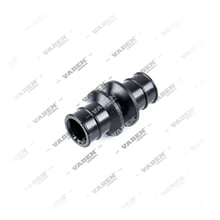
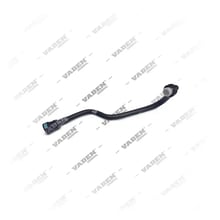
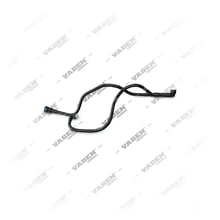
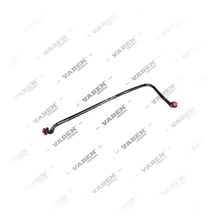
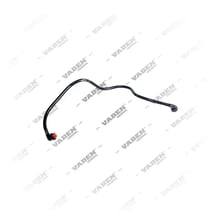
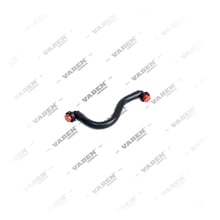
A Compressor Pipe is a metal or steel line that connects the housing of a heavy-duty vehicle's air brake compressor to its lubrication, cooling and air circuits. This group covers the oil supply line carrying oil from the engine's oil sump to the compressor, the outlet line delivering compressed air from the compressor to the air dryer or air tank, and, on some models, the coolant sections that pass through the compressor housing. In the field these parts are also known as the "compressor oil pipe," "compressor air outlet pipe," or "compressor connection pipe." A Compressor Pipe is sold separately from the compressor's main housing, but it is an essential auxiliary component for correct, safe operation; a damaged or leaking pipe prevents proper lubrication of the compressor or keeps air pressure from reaching its intended point.
How Does a Compressor Pipe Work?
While the compressor is running, pressurized oil from the engine's oil pump is routed through the lubrication pipe to moving parts such as the crankshaft and piston bearings, minimizing friction and wear. Compressed air is then carried through the outlet pipe to the air dryer and, from there, to the air tank. The inner diameter, wall thickness and connection geometry of the pipe directly affect both oil flow rate and air flow speed. In the overall system design, the pipes are routed to absorb vibration between engine and compressor, withstand high temperatures and stay leak-tight under pressure fluctuations. For this reason, the Compressor Pipe group is an unseen but critical link in compressor performance and brake system reliability.
Compressor Pipe Technical Specifications
Parts in the Compressor Pipe group are manufactured in different materials and dimensions depending on the application; dimensions must match the vehicle's original parts catalog exactly, otherwise oil flow may fall short or stress may build up at the connection points. For exact torque and tolerance values, always refer to the vehicle's current service manual.
- Material: Forged or drawn steel for oil lines; pressure-resistant steel or copper alloy for air lines.
- Connection End: Tapered-nut or flanged type, sealed with a gasket or o-ring.
- Dimensions: Inner diameter, wall thickness and length vary by compressor model and must match the original catalog.
- Pressure Resistance: Air lines carry a safety margin above the system's operating pressure.
Compressor Pipe Types and Sub-Groups
- Lubrication Pipe (Inlet): Carries pressurized oil from the engine's oil sump or main oil gallery to the compressor.
- Oil Return Pipe: Returns oil used in the compressor back to the engine, preventing oil build-up.
- Air Outlet Pipe: Transfers air compressed by the unit to the air dryer or directly to the air tank.
- Connection Nuts and Nipples: Attach the pipe to the compressor housing and to adjacent lines without leaks.
- Gasket and O-Ring Sets: Prevent air and oil leaks at the pipe connection points.
- Support Brackets and Clips: Secure the pipe against vibration and reduce wear caused by friction.
How to Choose the Right Compressor Pipe
When selecting the right part, the vehicle's engine code and compressor model must first be identified precisely; even within the same compressor family, oil pipe length and connection angle can vary by engine. The second step is choosing the correct group according to the pipe's function — lubrication inlet, oil return or air outlet — since a mixed-up connection will stop the system from working. Finally, the connecting elements (nut, gasket, o-ring) must be the original size and material, which is essential for keeping the connection leak-tight over the long term.
Compressor Pipe Selection Criteria| Criterion | Why It Matters |
|---|
| Compressor model and engine code | Pipe length, angle and connection type vary by model |
| Pipe function (oil inlet / oil return / air outlet) | The wrong group interrupts lubrication or air flow |
| Connection end type (tapered nut / flange) | An incompatible connection breaks the seal |
| Gasket and o-ring size | The wrong size causes leaks and pressure loss |
| Material and wall thickness | Determines pressure and temperature resistance |
Compressor Pipe Maintenance and What to Watch For
- Check Connection Points Periodically: Inspect nut and flange connections regularly for looseness or oil/air leaks.
- Look for Cracks and Corrosion on the Pipe Surface: Spotting micro-cracks caused by vibration and heat early on reduces the risk of failure.
- Keep Brackets and Clips Sound: Loose supports lead to excessive vibration in the pipe and eventual cracking over time.
- Apply the Correct Torque When Removing or Installing: Over-tightening can deform the connection surface, while under-tightening causes leaks; the vehicle manufacturer's current service manual is the authority.
- Never Skip Gasket and O-Ring Replacement: Once a pipe has been removed, the old gasket should not be reused — fit a new one in the original size.
Common Compressor Pipe Failures and Solutions
- Insufficient Lubrication in the Compressor: Caused by a clogged or cracked oil inlet pipe; clean the pipe, or replace it with an original-size part if it is damaged.
- Oil Leak at a Connection Point: Caused by a worn gasket or loose nut; renew the gasket set and tighten the connection to the specified torque.
- Pressure Loss at the Air Outlet: Caused by a cracked or punctured air outlet pipe; replace the pipe and its connection o-ring if fitted.
- Excessive Vibration or Noise Around the Pipe: Caused by a broken or missing support bracket; check and renew the brackets and clips.
- Oil Build-Up in the Return Line: Caused by a blocked return pipe; clean the line, replace the pipe if needed and check the engine oil level.
Why Choose VADEN ORIGINAL Compressor Pipes?
- Manufactured to OE Dimensions: Pipe length, diameter and connection geometry are produced to match original part dimensions exactly.
- Wide OEM Coverage: Offers options compatible with the Wabco and Knorr-Bremse compressors used on Mercedes-Benz, MAN, Scania, Volvo, DAF, Iveco and Renault Trucks heavy vehicles.
- Pressure- and Heat-Resistant Material: Corrosion- and vibration-resistant material and coating are used for a long service life.
- Leak-Tight Connection Sets: Correctly sized gaskets and o-rings are offered together with the pipe, reducing the risk of leaks after installation.
- Exported to More Than 100 Countries: Manufactured and shipped under quality control processes proven on a global scale.
Conclusion
The Compressor Pipe is a small but essential connection group that keeps the air brake compressor lubricated and delivers the compressed air it produces to the right point — when it fails, it affects the compressor and, in turn, the brake system directly. Choosing the right model and size of pipe, using sound connecting elements and keeping up with timely maintenance prevent oil loss, pressure drop and compressor failures. With VADEN ORIGINAL-quality Compressor Pipe options, you can protect the long-term reliability of both your compressor and your brake system.
Frequently Asked Questions (FAQ)
Why is a Compressor Pipe important?
These pipes keep the compressor lubricated and carry the compressed air it produces to the air dryer or air tank. If a pipe is damaged or clogged, the compressor cannot be lubricated properly or air pressure fails to reach its intended level, putting the reliability of the brake system at risk.
What happens if the compressor oil pipe clogs?
When the oil pipe clogs, the compressor's moving parts no longer receive enough lubrication, so friction and wear increase rapidly. Within a short time the compressor can overheat, become noisy and eventually fail, which is why a clogged pipe should be cleaned or replaced as soon as it is noticed.
How can I tell if a pipe connection is leaking?
Oil stains, dampness or a hissing air sound at the connection points are the clearest signs of a leak. An unexpected drop in oil level or air pressure that builds up slowly can also point to a leak coming from a pipe or gasket.
What should I watch for when replacing a Compressor Pipe?
The pipe's length, diameter and connection end must be chosen in the original size to match the vehicle's engine code and compressor model. The gasket and o-ring should always be renewed during installation, and the connection tightened to the torque value specified by the manufacturer.
Which vehicles is the VADEN ORIGINAL Compressor Pipe compatible with?
VADEN ORIGINAL pipes and connecting elements are produced in options compatible with the Wabco and Knorr-Bremse compressors used on Mercedes-Benz, MAN, Scania, Volvo, DAF, Iveco and Renault Trucks heavy vehicles. It is recommended to confirm the compressor model and engine code before ordering.