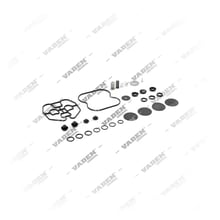
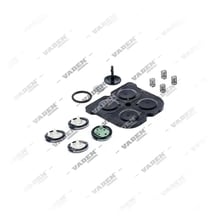
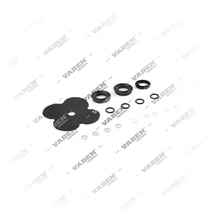
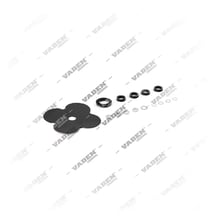
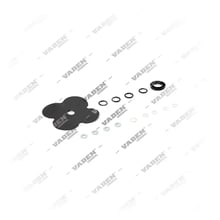
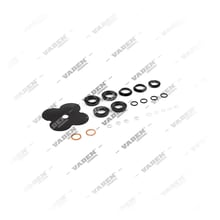
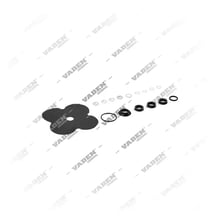
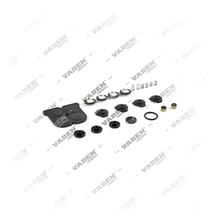
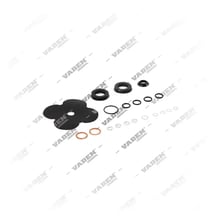
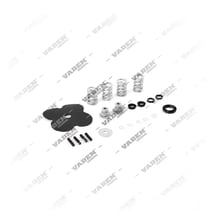
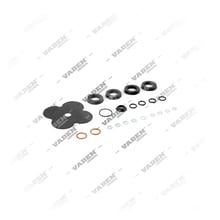
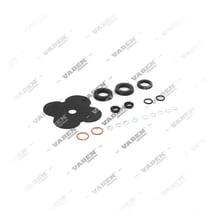
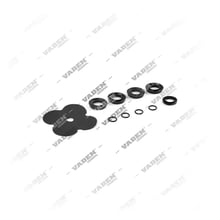
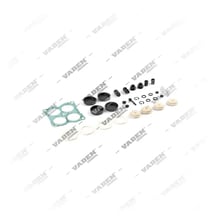
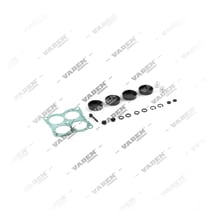
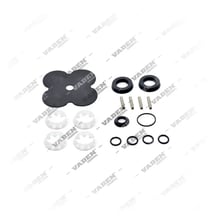
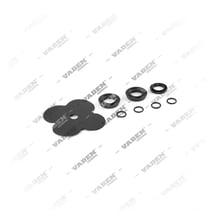
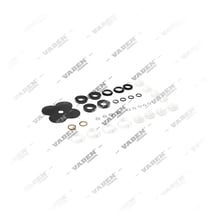
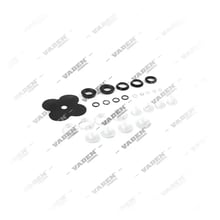
What Is a Four-Circuit Protection Valve Repair Kit?
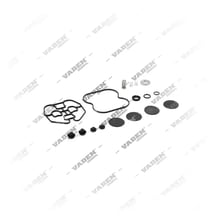
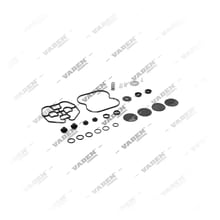
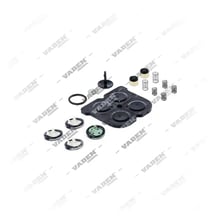
A Four-Circuit Protection Valve Repair Kit is a complete overhaul set containing wear parts such as seals, diaphragms, springs, and pistons, designed for the revision of the four-circuit protection valve found in the pneumatic brake system of heavy commercial vehicles. The four-circuit protection valve distributes compressed air arriving from the air dryer into four independent circuits: the front axle brake, the rear axle brake, the park/spring brake, and auxiliary consumers, and if a leak or fault develops in one circuit, it protects the pressure in the remaining circuits so the vehicle can still be brought to a safe stop. In the field this component is also sometimes referred to as a "four-circuit safety valve" or "multi-circuit protection valve." Without replacing the valve housing, the repair kit renews the internal wear components so the protection valve returns to its factory pressure values and response speed.
How Does a Four-Circuit Protection Valve Work?
The four-circuit protection valve is a protection and distribution component that takes a single air supply coming from the air dryer and splits it into four separate circuits in a priority order. The non-return valve at each circuit inlet prevents backflow to the air reservoirs of the other circuits when pressure is lost in one circuit, so a single leak does not disable the entire brake system. When a diaphragm or seal hardens, or spring tension weakens, the pressure balance between circuits is disrupted and some consumers build up pressure late or incompletely.
- 1. Priority Axle Circuits: Pressure from the air dryer is directed first to the front and rear axle brake circuits.
- 2. Park/Spring Brake Circuit: Once the axle circuits reach a set pressure, the park brake circuit is filled.
- 3. Auxiliary Consumer Circuit: Last in line, cab suspension or other auxiliary systems are pressurized.
Four-Circuit Protection Valve Repair Kit Technical Specifications
Repair kits typically include nitrile rubber (NBR) based seal and diaphragm sets, stainless or coated steel springs, O-rings, and, where required, piston or cover seals. Circuit opening pressures and the priority order vary depending on valve design, so the part number on the valve or the vehicle chassis number should be used as the reference for selecting the correct kit. The operating temperature range is kept wide to suit the outdoor conditions heavy commercial vehicles face, and the components are manufactured from compounds resistant to hydrocarbon-based air system oils. Because exact circuit opening pressure and torque/tightening values differ by vehicle and valve model, the figures in the vehicle's current service manual must always be used as the reference during installation.
Types and Subgroups of Four-Circuit Protection Valve Repair Kits
- Diaphragm and Seal Set: The most frequently replaced wear parts, providing the seal beneath the circuit pistons.
- Spring Set: Calibrated springs that determine the opening pressure of each circuit; over time they can lose tension and cause delayed opening.
- Non-Return Valve (Check Valve) Group: Prevents reverse airflow between circuits so a leak in one circuit does not drain the others.
- Piston and O-Ring Set: Seals the moving components at the circuit inlets and outlets.
- Cover Seal and Fasteners: Makes the joining surfaces between the valve body and cover airtight.
- Complete Overhaul Kit: A comprehensive maintenance set combining all of the groups above.
How to Choose the Right Four-Circuit Protection Valve Repair Kit
To identify the correct repair kit, first read the manufacturer's part number on the valve housing, then confirm compatibility using the vehicle make, model, and chassis number. Four-circuit protection valves sourced from Wabco and Knorr-Bremse are widely used on Mercedes-Benz, MAN, Scania, Volvo, DAF, Iveco, and Renault Trucks heavy vehicles; however, circuit priority and connection dimensions can differ across model years even within the same brand. The table below summarizes the key criteria to consider during selection.
Four-Circuit Protection Valve Repair Kit Selection Criteria| Criterion | Why It Matters |
|---|
| Part Number on the Valve | Circuit count and opening pressures can differ even between valves that look identical |
| Vehicle Make/Model/Chassis No. | Connection dimensions and circuit priority vary by model |
| Diaphragm Material | NBR-based compounds resist air system oils and temperature swings |
| Spring Calibration | Directly determines the circuit opening sequence and pressure balance |
| Kit Scope | Whether a partial set or a complete overhaul kit is needed depends on the vehicle's wear condition |
| OEM Reference Match | Wabco/Knorr-Bremse cross-referencing allows quick confirmation of the correct part |
Four-Circuit Protection Valve Maintenance and Points to Note
- Pressure Release Before Removal: All air in the system must be fully released before removing the valve, with precautions taken against sudden pressure discharge.
- Surface Cleaning: Diaphragm and seal seating surfaces must be cleaned before assembly so no scratches or debris remain.
- Correct Tightening Sequence: Cover screws must be tightened in a crosswise pattern to the torque value specified by the manufacturer; overtightening can crack the housing.
- Lubrication: O-rings and pistons should be lightly lubricated with silicone-based grease compatible with the air system to ease assembly.
- Leak Test After Installation: Once the valve is fitted, each circuit's independent seal should be checked with a soap-bubble test or a pressure-drop test.
Common Faults and Their Solutions
- One Circuit Not Building Pressure: Usually caused by a hardened diaphragm or a weakened spring; the diaphragm and spring group of the affected circuit should be replaced.
- Pressure Imbalance Between Circuits: Occurs due to worn non-return valves; the check valve group needs to be renewed.
- Continuous Air Leak from the Valve Body: Caused by a hardened cover seal or O-ring; the seal set should be replaced completely.
- Delayed Park Brake Engagement: Results from delayed opening in the auxiliary circuit's priority order; spring calibration and piston movement should be checked.
- Delayed Response at the Brake Pedal: Caused by internal seal loss in the axle brake circuits; the circuit pistons and diaphragms should be renewed.
Why VADEN ORIGINAL?
- Manufactured to OE Dimensions: Diaphragm, spring, and seal dimensions are produced to original equipment tolerances.
- Broad OEM Match: Offers cross-reference coverage compatible with four-circuit protection valves sourced from Wabco and Knorr-Bremse.
- Durable Material Selection: Compounds resistant to air system oils and temperature fluctuations are used.
- Extensive Export Network: VADEN ORIGINAL products are exported to more than 100 countries.
Conclusion
A Four-Circuit Protection Valve Repair Kit is an economical and reliable way to repair a critical component that safeguards circuit-based safety in the brake systems of heavy commercial vehicles. A repair kit selected with the correct part number and verified vehicle compatibility, supported by regular maintenance, ensures all four circuits build pressure in a balanced and timely manner. Kits manufactured to VADEN ORIGINAL quality optimize both driving safety and vehicle downtime.
Frequently Asked Questions (FAQ)
What does a four-circuit protection valve do?
The four-circuit protection valve distributes compressed air arriving from the air dryer into four independent circuits: the front axle, the rear axle, the park brake, and auxiliary consumers. Even if a leak develops in one circuit, it protects the pressure in the other circuits so the vehicle can still be brought to a safe stop.
When is a four-circuit protection valve repair kit needed?
A repair kit revision is needed when symptoms such as one circuit failing to build pressure, delayed park brake engagement, air leaking from the valve body, or a delayed response at the brake pedal appear. These symptoms are usually caused by a hardened diaphragm, a weakened spring, or a worn seal.
Should I use a repair kit or replace the valve entirely?
As long as the valve housing is sound and free of cracks, renewing wear parts such as the diaphragm, seal, spring, and O-rings with a repair kit is more economical than replacing the entire valve. A complete replacement may be necessary if the housing has cracks or permanent deformation.
Which vehicles are VADEN ORIGINAL four-circuit protection valve repair kits compatible with?
VADEN ORIGINAL repair kits are compatible with Wabco- and Knorr-Bremse-sourced four-circuit protection valves used on Mercedes-Benz, MAN, Scania, Volvo, DAF, Iveco, and Renault Trucks heavy vehicles. Compatibility should be confirmed using the part number on the valve and the vehicle chassis number before ordering.
What should be considered when installing a four-circuit protection valve?
All air in the system must be released before removal, seal surfaces must be cleaned, and cover screws must be tightened crosswise to the torque value specified by the manufacturer. After installation, each circuit's independent seal should be checked with a leak test.
Related technical guide: Four-Circuit Protection Valve: Faults, Diagnosis & Replacement