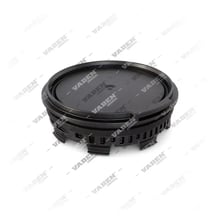
What is a Steering Box Cover?
- Location: At the end point of the steering box (steering gear) body, usually at the closing point of the piston chamber.
- Material: Cast steel or aluminum alloy, corrosion-resistant surface coating.
- Parts used together: Gasket, O-ring, and in some models a seal and bearing.
- Application: Heavy commercial vehicles with hydraulic steering systems such as trucks, tractors and buses.
What are the functions of the Steering Box Cover?
The primary function of the cover is to prevent leakage of the hydraulic oil inside the steering box body and to preserve the pressure integrity of the system. It also prevents dust, water and dirt particles from the outside environment from reaching the precision piston-cylinder surfaces, preventing premature wear.
- Sealing: Prevents hydraulic oil from escaping the body.
- Protection: Prevents dust, moisture and dirt from reaching the internal mechanism.
- Pressure integrity: Keeps the steering assist pressure stable.
- Mechanical limitation: In some models, physically limits the end point of piston travel.
What are the symptoms of a faulty Steering Box Cover?
A cover fault usually shows itself as an oil leak caused by a crack or wear in the gasket or the cover itself. Steering stiffness, a sudden drop in oil level and oil accumulation around the steering box are typical symptoms.
- Oil leak: Visible oil stain or dripping around the steering box cover.
- Steering stiffness: Difficulty turning the steering wheel due to hydraulic pressure loss.
- Abnormal noise: Squeaking or metal friction noise while turning the steering wheel.
- Oil level drop: Hydraulic oil level in the reservoir decreasing faster than expected.
- Visible corrosion: Rust or crack formation on the cover surface.
How is the Steering Box Cover checked?
Checking starts with a visual inspection of the area around the cover and the gasket surface. Then, while the vehicle is running, the steering wheel is turned to the end points several times to observe leakage; if needed, the cover is removed and the gasket surface and internal bearing wear are checked.
- Visual inspection: Scanning for oil stains, cracks and corrosion.
- Functional test: Checking for leaks and noise while turning the steering to the end points.
- Disassembly check: Evenness of the gasket surface and wear condition of the cover's internal bearing.
- Pressure test: If needed, verifying that the system pressure is within the OE range using a hydraulic pressure gauge.
What should be considered when replacing it?
When replacing the cover, the hydraulic system pressure must first be released and the oil drained. The gasket surface of the removed cover must be cleaned, installation performed with a new gasket, and the bolts tightened in a crossing sequence.
- Pressure release: The cover must not be removed before the system pressure is released.
- Gasket renewal: The gasket must always be replaced together with the cover.
- Surface cleaning: No residue from the old gasket should be left on the body surface.
- Tightening torque: A general torque range should be applied to the bolts; the vehicle's current OE service manual should be treated as authoritative.
- Oil filling and bleeding: After installation, the correct hydraulic oil must be filled and the system bled of air.
How to choose the right Steering Box Cover?
The decisive criteria when choosing the correct cover are the steering box model, body diameter and gasket compatibility. A cover of a different diameter or wrong material can compromise sealing and lead to premature failure, so a product matching OEM dimensions should be preferred.
Selection criteria for the Steering Box Cover| Parameter | Typical value / range |
|---|
| Operating pressure | 80-150 bar (varies by hydraulic steering system) |
| Temperature resistance | -30°C to +120°C |
| Material | Cast steel or aluminum alloy |
| Gasket type | Oil-resistant NBR based |
| Compatibility | Exact match with steering box model and OEM part number |
Maintenance and service life
The service life of the steering box cover is directly related to the cleanliness of the hydraulic oil and regular oil changes. Dirty or degraded oil causes premature wear on the gasket and cover surfaces. Periodic oil level checks and visual leak inspection allow a potential fault to be detected early. The operating environment of the vehicle also affects service life; on vehicles operating in salty, humid or dusty regions, corrosion on the cover surface can start earlier, so underbody washing and protective coating applications are complementary measures that extend cover life.
Having the steering system undergo a general inspection at an authorized service center at regular intervals prevents premature wear not only of the cover but also of the seals and bearings within the steering box body. The recommended approach for fleet operators is to include a visual inspection of the steering box area in the periodic maintenance plan and to note the condition of the cover gasket during oil changes.
VADEN Steering Box Cover
VADEN bases its steering box covers for heavy commercial vehicle steering systems on OEM dimensions and material standards. The products are manufactured to match the original body tolerances, aiming to ensure sealing is achieved from the very first moment after installation. For the correct application and compatibility information, the VADEN product catalog and technical support line are available for reference; service teams can quickly confirm the correct cover model via the vehicle's license plate or chassis number.
Frequently Asked Questions (FAQ)
How quickly does a steering box cover leak affect steering?
A small leak may not be noticeable at first, but as the oil level drops, steering assist weakens and stiffness is felt within a short time. Early intervention is recommended once a leak is detected.
Is it mandatory to replace the gasket when replacing the cover?
Yes, a used gasket generally loses its elasticity, so reusing it increases the risk of leakage; fitting a new gasket together with the cover is recommended.
What problems can result from a cover tightened with incorrect torque?
An under-tightened cover can cause leakage, while an over-tightened cover can damage the body threads or crush the gasket; the general torque range and the OE manual should be followed.
How often should the steering box cover be checked?
There is no fixed interval; a visual leak check is recommended during periodic maintenance and before long-distance trips.
If the cover shows corrosion, should it be cleaned or replaced?
Surface rust can be cleaned, but if there is deep corrosion or a crack, replacing the cover is recommended since sealing cannot be guaranteed.