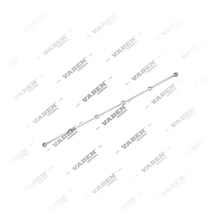
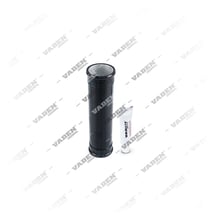
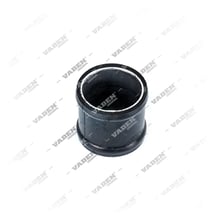
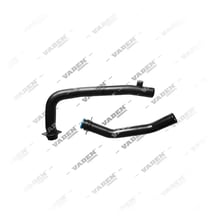
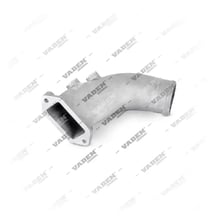
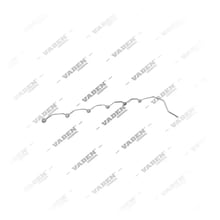
What Is a Water Pump (Coolant Circulation) Pipe?
A Water Pump (Coolant Circulation) Pipe is the metal or reinforced-hose connector linking the coolant circulation (water) pump to the radiator, engine block, cylinder head, and heater circuit in a heavy commercial vehicle's cooling system. On the shop floor it is also known as the "circulation pipe," "water pump line," or "coolant pipe connection." This pipe channels coolant leaving the engine block toward the water pump; the pump then pressurizes the fluid and sends it back to the radiator. Because it is the physical carrier of the entire circulation loop, even a small crack, puncture, or loose connection directly reduces the engine's cooling capacity. A Water Pump (Coolant Circulation) Pipe is typically made from cast aluminum, formed steel sheet, or heat-resistant reinforced rubber, and it mounts to the engine block, thermostat housing, or heat exchanger with a flanged or clamped connection.
Functions of the Water Pump (Coolant Circulation) Pipe and How It Works
While the engine runs, the coolant circulation pump is driven by a belt or gear from the crankshaft pulley and keeps coolant moving continuously through the system. The Water Pump (Coolant Circulation) Pipe forms the critical transition point between the engine block and the pump housing. Coolant passing through the pipe absorbs heat building up in the cylinder block and cylinder head and carries it toward the radiator; once cooled, the fluid returns to the engine through the same line or a parallel one.
- Fluid Routing: Delivers coolant from the pump inlet to the engine block or thermostat housing without interruption.
- Pressure Handling: Allows the fluid pressurized by the pump to travel through the system without leaking.
- System Integrity: Physically links the engine block, thermostat housing, and heater circuit together.
- Vibration Damping: Rubber-reinforced versions reduce the transfer of engine vibration to rigid connection points.
Technical Specifications of the Water Pump (Coolant Circulation) Pipe
When selecting a Water Pump (Coolant Circulation) Pipe, inner diameter, pipe length, connector-end geometry, and material strength are the decisive criteria. Metal pipes are made from cast aluminum or coated steel sheet, while flexible sections use silicone-reinforced or EPDM-based rubber hose. Operating temperature varies by engine type, but the circulation line is generally exposed to high heat and pressure fluctuations, so the pipe's rating must match the vehicle's original technical data. For exact temperature and pressure values, always consult the vehicle's current service manual.
- Material: Cast aluminum, coated steel sheet, or multi-layer reinforced rubber.
- Connection Type: Flanged gasket connection, O-ring push-fit end, or clamped hose end.
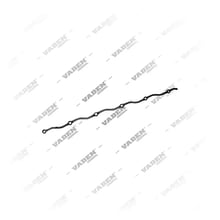
- Gasket/Sealing: Sealing is integrated into the system via an O-ring or flange gasket.
- Compatibility: Manufactured to the dimensions specified by the vehicle maker for the given engine code and chassis number.
Types and Subgroups of the Water Pump (Coolant Circulation) Pipe
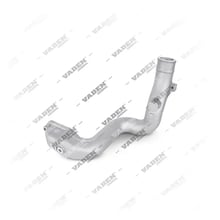
- Metal Circulation Pipe: A cast or sheet-bodied pipe used in the fixed, high-pressure lines between the engine block and the pump housing.
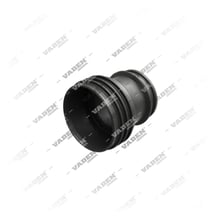
- Flexible Rubber Connector Pipe: A reinforced hose section added to the ends of metal lines to absorb engine vibration.
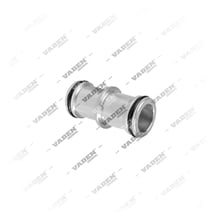
- Thermostat Housing Connector Pipe: A short pipe, usually sealed with an O-ring, that carries the circulation outlet to the thermostat housing.
- Heater Circuit Pipe: A branch line pipe that carries hot coolant to the cabin heating system.
- Flanged Connector Pipe: The main gasketed feed pipe bolted to the engine block via a flange.
How to Choose the Right Water Pump (Coolant Circulation) Pipe
To choose the correct part, first verify the OEM reference using the engine code and chassis number, then compare the pipe's inner diameter, length, connector-end geometry, and material against the original part. An incorrectly sized pipe can cause leaks at the clamp or flange, or even engine overheating. The table below summarizes the key criteria for selection.
Water Pump (Coolant Circulation) Pipe Selection Criteria| Criterion | Why It Matters |
|---|
| Engine Code / Chassis Number | Pipe geometry and connection points are specific to the engine housing |
| Inner Diameter and Length | An incorrect size increases flow resistance or creates stress at the connection |
| Connector-End Type | Flanged, O-ring, and clamped ends are not interchangeable |
| Material Strength | Provides resistance to cracking/swelling under temperature and pressure fluctuations |
| Gasket/O-ring Fit | Ensures sealing is reliable from the first installation onward |
Maintenance and Points to Watch for the Water Pump (Coolant Circulation) Pipe
- Perform Visual Inspections: Periodically check the pipe surface for cracks, swelling, discoloration, or signs of moisture.
- Verify Clamp and Flange Tightness: Loose clamps or flange bolts eventually cause leaks; check torque values against the service manual.
- Monitor Coolant Level: A sudden drop in level can be the first sign of a hidden leak in the pipe line.
- Never Reuse Old Gaskets: Always replace the O-ring and flange gasket with new ones whenever the pipe is removed and refitted.
- Fit the Original Dimensions: A mismatched inner diameter or length negatively affects pump performance and cooling efficiency.
Common Failures and Solutions
- Engine Overheating: Coolant circulation has weakened due to a blockage or crack in the pipe line; inspect the pipe and connection points and replace if necessary.
- Coolant Leak in the Engine Bay: The flange gasket or O-ring has deteriorated; renew the gasket and verify clamp tightness.
- Coolant Level Keeps Dropping: There may be a hidden micro-crack or a porous rubber structure; replace the pipe.
- Insufficient Warm Air from the Heater: A partial blockage or air pocket may have formed in the heater circuit pipe; inspect the line and bleed the system.
- Vibration Noise at the Connection Point: The rubber-reinforced connector has hardened or deformed; renew the flexible connector pipe.
Why Choose VADEN ORIGINAL Water Pump (Coolant Circulation) Pipe?
- Manufactured to OE Dimensions: Inner diameter, length, and connector geometry match original part tolerances exactly.
- Broad OEM Coverage: Accurate reference matching for Mercedes-Benz, MAN, Scania, Volvo, DAF, and Iveco engine applications.
- Durable Material Construction: A body resistant to temperature and pressure fluctuations reduces the risk of leaks.
- Exported to More Than 100 Countries: Proven performance in heavy commercial vehicle fleets, backed by an extensive after-sales support network.
Conclusion
The Water Pump (Coolant Circulation) Pipe is a critical component that keeps coolant circulating without interruption between the water pump and the engine block, preserving the engine's thermal balance. Choosing a correctly sized, OE-quality pipe minimizes leak risk and prevents overheating. The VADEN ORIGINAL product range offers a reliable solution for fleets and workshops renewing this line to original specifications.
Frequently Asked Questions (FAQ)
What does a Water Pump (Coolant Circulation) Pipe do?
This pipe keeps coolant circulating without interruption between the coolant circulation (water) pump and the engine block, thermostat housing, or heater circuit. It carries fluid from the pump to the engine and from the engine to the radiator, preserving the integrity of the cooling system.
How can I tell if the circulation pipe has a crack or leak?
The most common signs are an unexplained drop in coolant level, moisture marks or fluid stains in the engine bay, the engine heating up faster than normal, and a temperature warning on the dashboard. In these cases, the pipe line and its connection points should be visually inspected.
What should I watch for when replacing the circulation pipe?
Removed O-rings and flange gaskets should never be reused - always replace them with new ones. Clamp and flange bolts should be tightened to the torque values specified in the service manual, and the cooling system should be bled after installation.
Which vehicles is the VADEN ORIGINAL Water Pump (Coolant Circulation) Pipe compatible with?
The product range is manufactured to OE dimensions for heavy commercial vehicle engines such as Mercedes-Benz, MAN, Scania, Volvo, DAF, and Iveco. To select the correct reference, verifying the engine code and chassis number is recommended.
What is the difference between a metal and a rubber circulation pipe?
Metal pipes are used in the fixed, high-pressure lines between the engine block and the pump, while rubber-reinforced flexible sections dampen engine vibration and accommodate alignment tolerance. Both types serve complementary functions in different sections of the same circulation line.