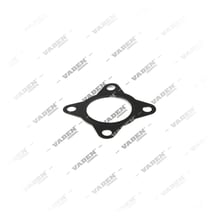
What is a Transmission Vent Valve Gasket?
The Transmission Vent Valve Gasket in the VADEN range is manufactured to original dimensions and material properties, helping keep transmission oil contained reliably without leakage.
What are the functions of the Transmission Vent Valve Gasket?
This gasket performs critical functions to keep the transmission vent system sealed and reliable.
- Sealing: Prevents oil and air leakage at the contact surface between valve and transmission housing.
- Supporting pressure equalization: Ensures the valve performs its internal/external pressure equalization function without leakage.
- Vibration damping: Its elastomer structure absorbs micro-movements between valve and housing.
- Contamination barrier: Prevents dust, moisture, and dirt from entering the transmission's internal mechanism.
- Oil level protection: Preventing leakage helps preserve the transmission oil level and quality.
What are the symptoms of Transmission Vent Valve Gasket failure?
When the gasket hardens or tears, noticeable symptoms appear around the transmission.
- Oil leakage at the transmission housing: An oily stain or drip appears around the valve.
- Falling oil level: Continuous leakage reduces oil level between periodic checks.
- Whistling/air leak from the valve: A hardened gasket can produce abnormal noise during pressure equalization.
- Dirt/moisture entering the transmission: Broken sealing allows outside contamination, degrading oil quality.
- Overheating signs: When pressure cannot equalize, internal transmission temperature may run higher than expected.
How is the Transmission Vent Valve Gasket inspected?
Inspection should be done with the transmission stationary, removing the valve if needed.
- Visual inspection: Check the gasket surface for cracks, hardening, partial tearing, or deformation.
- Leak trace check: Inspect around the valve and transmission housing for oily traces.
- Flexibility test: Gently press the gasket to check if it retains flexibility; a hardened gasket needs replacement.
- Oil level monitoring: Track periodic oil level checks for abnormal drops.
- Pressure test: If needed, measure pressure loss in the transmission ventilation system to confirm gasket sealing.
What should be considered during replacement?
Replacing the vent valve gasket is a small but important task for transmission health.
- Correct reference: Select the original-size gasket matching the transmission model and valve type.
- Clean surface: Clean the gasket seating surface of old gasket residue, oil, and dirt before installation.
- Correct orientation: Install the gasket in the position and orientation specified by the manufacturer.
- Avoid over-tightening: Tighten valve fasteners to the manufacturer's specified torque; over-tightening can crush the gasket and cause premature failure.
- Check oil level: Check and top up the transmission oil level after installation if needed.
- Leak test: Confirm no leakage with a short test drive after the job.
How to choose the right Transmission Vent Valve Gasket?
Selection should weigh valve type, material compatibility, and temperature resistance together.
Transmission Vent Valve Gasket selection criteria| Criterion | Description |
|---|
| Transmission model | Must fully match the vehicle's transmission type |
| Valve type | Correct sizing for breather or control valve type |
| Material | Oil- and heat-resistant NBR/FKM elastomer |
| Temperature resistance | Must cover the transmission's operating temperature range |
| Fit tolerance | Original thickness and inner/outer diameter must be preserved |
Maintenance and service life
As an elastomer part constantly exposed to oil and heat, the Transmission Vent Valve Gasket can harden and lose flexibility over time. Visually inspecting the area around the valve during periodic oil changes helps catch leaks early. On vehicles operating at high temperatures, gasket life may shorten, so a healthy transmission cooling system indirectly extends gasket life too. Correct material choice and regular inspection can achieve long-term sealing.
VADEN Transmission Vent Valve Gasket
VADEN manufactures the vent valve gasket for heavy commercial vehicle transmissions to original dimensions and material quality. Combined with correct installation, it prevents transmission oil loss and supports long-lasting, reliable operation of the system. With proper material selection, both high-temperature resistance and flexibility are preserved to guarantee sealing over a long service life; including it in periodic checks alongside oil changes in fleet maintenance plans is recommended to prevent unexpected oil loss.
Frequently Asked Questions (FAQ)
What does a Transmission Vent Valve Gasket do?
It seals the contact surface between the transmission vent valve and housing, preventing oil and air leakage.
What symptoms appear when the vent valve gasket fails?
Symptoms include oil leakage at the transmission housing, falling oil level, and air leakage noise from the valve.
Should a hardened gasket be replaced?
Yes, a gasket that has lost flexibility cannot seal properly; if it feels stiff when pressed by hand, it should be replaced.
Is torque important when replacing the vent valve gasket?
Yes, over-tightening can crush the gasket and cause premature failure; the manufacturer's specified torque must be followed.
What should be considered when choosing a Transmission Vent Valve Gasket?
Confirm the transmission model, valve type, and the material's temperature/oil resistance against the original reference.