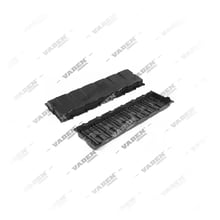
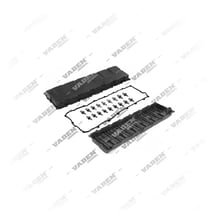
What Is a Valve Cover?
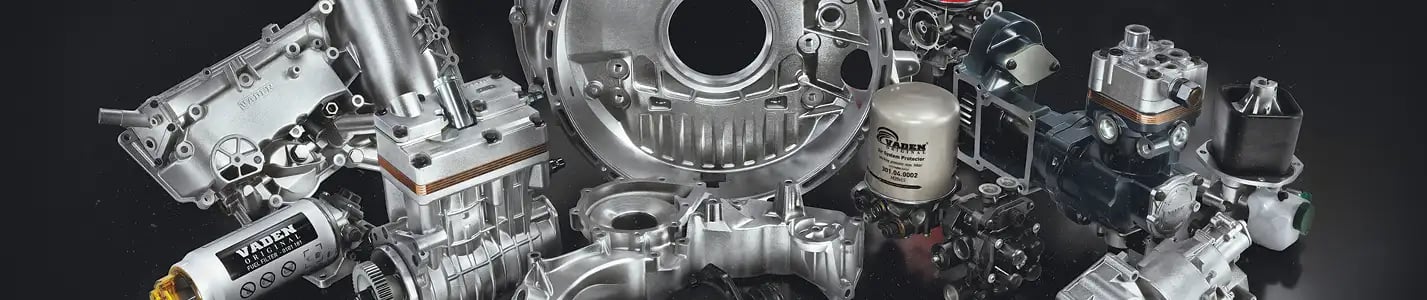
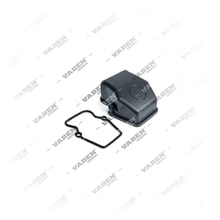
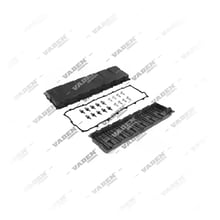
The valve cover is the metal or composite-bodied protective component that closes off the top face of the cylinder head on heavy commercial vehicle engines, shielding the rocker mechanism and valve train from outside contaminants. In the field it is also known as the "rocker cover" or "cylinder head cover." Sitting in the Engine > Valve > Cover chain, this part is bolted directly to the cylinder head and protects the rocker arms, valve springs, camshaft nose, and lubrication galleries underneath from dust, moisture, and mechanical impact. The valve cover also acts as a barrier that keeps engine oil from escaping, working with a separate gasket that provides the actual seal. On Mercedes-Benz, MAN, Scania, Volvo, DAF, Iveco, Renault Trucks, and BMC heavy-duty engines, it is removed and refitted during routine service and needs regular inspection.
How Does a Valve Cover Work?
While the engine runs, the valve cover keeps the pressure fluctuations and oil vapor building up on top of the cylinder head under control. As the crankshaft turns, pressurized blow-by gases forming in the crankcase travel with oil vapor through ventilation channels built into the valve cover and are routed to the intake system or a dedicated oil separator. Channels on the inner face of the cover, and integrated baffle plates on some models, help strip oil droplets out of the gas stream, keeping oil consumption down. The cover also forms the upper closure of the lubrication feed to the rocker arm, keeping the valve mechanism continuously oiled. When the bolts aren't torqued evenly, the cover can distort over time and the seal can fail.
Valve Cover Technical Specifications
Valve covers are produced from cast aluminum, sheet metal, or reinforced composite depending on engine type. Bolt hole count, gasket seat profile, and ventilation port position all vary by engine family, so fitment should be confirmed against the engine code and chassis number. Bolt torque generally falls in a low-to-moderate range on most heavy-duty engines and calls for a staged sequence; for the exact figure, consult the vehicle's current service manual.
- Material: Cast aluminum, sheet metal, or reinforced composite housing built to withstand thermal expansion and vibration.
- Connection points: A crankcase gas outlet nipple, oil filler neck, or sensor socket comes molded in on some models.
- Sealing surface: The flatness of the gasket seat is what determines how long the seal will last.
- Bolt torque: Varies by engine code; a staged, cross-pattern tightening sequence must be followed.
Valve Cover Types and Subcategories
- Cast Aluminum Valve Cover: Common on heavy-duty engines, this housing type stands up well to high temperatures and vibration.
- Sheet Metal Valve Cover: A lighter-weight construction used on some light- and medium-duty commercial engines.
- Composite / Reinforced Plastic Cover: Chosen on some newer engine families as a way to cut weight.
- Cover With Ventilation Port: A version fitted with a crankcase gas vent nipple or an oil separator connection.
- Cover With Sensor Socket: Comes with an integrated mounting point for a camshaft position sensor or similar electronics.
- Cover With Oil Filler Neck: Carries the oil filler cap socket and doubles directly as the fill point.
How to Choose the Right Valve Cover?
The first criterion when selecting a valve cover is an exact match to the vehicle's engine code and model year; covers that look alike can still differ in bolt pattern, ventilation port position, and sensor socket layout. Material quality, especially the flatness of the sealing surface, matters for long-term performance. The table below summarizes the main criteria to weigh.
Valve Cover Selection and Compatibility Criteria| Criterion | Description |
|---|
| Engine Code Match | The cover must be chosen to match the vehicle's exact engine code and variant |
| Material Construction | Cast aluminum, sheet metal, or composite housing options vary by engine type |
| Ventilation Connection | Whether a crankcase gas vent nipple or oil separator connection is present, and where it sits |
| Sensor / Extra Socket | Whether a socket is required for a camshaft sensor or similar electronic component |
| Sealing Surface | The flatness and smoothness of the gasket seat directly affects how long the seal lasts |
| Application | Suitability for the engine family fitted to trucks, tractor units, buses, or trailer tractors |
Valve Cover Maintenance and Key Points to Watch
- Tighten Bolts Evenly and in Stages: Torque the cover bolts in a cross pattern to the manufacturer's specified value to prevent distortion.
- Inspect the Sealing Surface: When removing the cover, check the gasket seat for scoring, warping, or corrosion.
- Keep Ventilation Channels Clear: Make sure the crankcase gas passages aren't clogged; blockage can drive up oil consumption.
- Avoid Over-Tightening: Applying excess torque can crack the cover or distort the gasket seat.
- Renew the Gasket on Every Removal: Replace the sealing element whenever the cover is taken off and refitted.
- Use Parts Built to OE Specification: Choosing a VADEN ORIGINAL cover that fully matches the engine code helps avoid fitment problems.
Common Failures and Their Fixes
- Oil Leak Around the Cover: Usually caused by a hardened sealing element or loose bolts; renew the gasket and check the tightening sequence.
- Rising Engine Oil Consumption: A clogged ventilation channel or a cracked cover can let oil vapor draw into the intake; check the cover and the vent path.
- Cracking or Deformation of the Cover: Results from excess torque or impact; replace the cover and apply the correct tightening sequence.
- Leak at the Crankcase Gas Vent Nipple: Caused by wear or looseness at the connection point; check the nipple and hose fitting.
- Vibration-Related Noise on Top of the Engine: Shows up when the cover's retaining bolts work loose; retorque them to the specified value.
Why VADEN ORIGINAL?
- Built to OE Dimensions: Valve covers are sized to match the original engine codes and are manufactured for direct replacement.
- Broad OEM Coverage: A comprehensive range is offered for Mercedes-Benz, MAN, Scania, Volvo, DAF, Iveco, Renault Trucks, and BMC engine families.
- Durable Material Selection: A housing built to withstand thermal expansion and vibration delivers a long service life.
- Precision-Machined Sealing Surface: Accurate gasket seat machining lowers the risk of oil leaks after installation.
- Exported to More Than 100 Countries: A proven quality standard tested across global fleets and service networks.
Conclusion
The valve cover is a critical component that protects the engine's valve and rocker mechanism, supports crankcase gas management, and keeps engine oil from leaking out. Choosing a cover that matches the correct engine code, checking bolt torque regularly, and maintaining the sealing surface all keep oil consumption low and boost engine reliability. With OE-accurate dimensions and broad vehicle coverage, VADEN ORIGINAL valve covers deliver a dependable solution for heavy commercial vehicle fleets.
Frequently Asked Questions (FAQ)
What does a valve cover do?
The valve cover closes off the top of the cylinder head, protecting the rocker mechanism, valve springs, and lubrication galleries underneath from dust, moisture, and mechanical impact. It also supports crankcase gas management and acts as a barrier that keeps engine oil from leaking out.
Is a valve cover the same part as a valve cover gasket?
No, they are two different parts. The valve cover is the metal or composite housing that closes off the cylinder head, while the gasket is a separate sealing element fitted between the cover and the cylinder head to provide the actual seal.
Why does a valve cover leak oil?
The most common causes are a hardened sealing element, loose bolts, or a distorted cover. Once a leak is spotted, the gasket should be renewed and the bolts retorqued to the manufacturer's value in the correct sequence.
In what order should valve cover bolts be tightened?
To prevent distortion and a compromised seal, the bolts should be tightened in stages using a cross pattern. The exact torque value and sequence vary by engine code, so always check the vehicle's current service manual.
Which vehicles are VADEN ORIGINAL valve covers compatible with?
VADEN ORIGINAL valve covers are manufactured to fit heavy commercial vehicle engine families including Mercedes-Benz, MAN, Scania, Volvo, DAF, Iveco, Renault Trucks, and BMC. Compatibility should be confirmed against the engine code and chassis number before ordering.