What Is a Turbo Repair Kit?
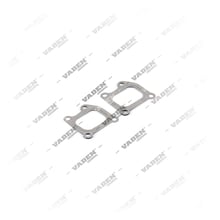
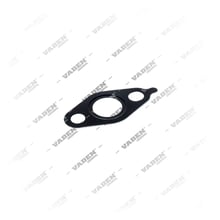
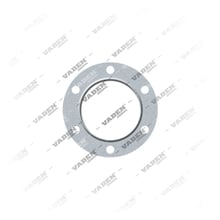
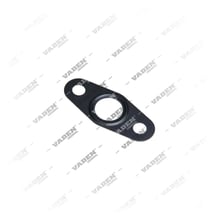
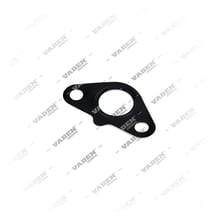
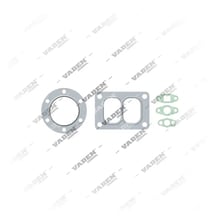
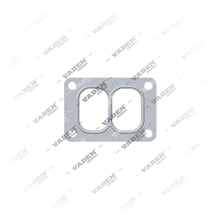
A turbo repair kit is a spare component set used to overhaul the turbocharger unit in heavy commercial vehicles, restoring engine performance and efficiency without replacing the unit entirely. These kits typically include gasket sets, sealing rings, bearings and bushings, actuator linkage parts, and, where applicable, small components for the variable geometry turbine (VGT) vane mechanism. The turbocharger uses the energy of the exhaust gas to force more air into the engine, allowing more fuel to be burned within the same displacement and delivering a boost in power and torque. A Turbo Repair Kit is the economical way to bring a turbocharger back to full capacity once wear signs appear, such as shaft play, oil leakage, or a stiffening vane mechanism. Compatible with Garrett, BorgWarner, and Holset-based turbochargers fitted to Mercedes-Benz, MAN, Scania, Volvo, DAF, Iveco, and Renault Trucks engines, VADEN ORIGINAL repair kits are among the overhaul solutions most trusted by engine workshops and fleet maintenance teams.
How Does a Turbo Repair Kit Work?
Inside the turbocharger, the shaft connects the turbine wheel on the exhaust side to the compressor wheel on the intake side, spinning at very high revolutions per minute. For the shaft to rotate smoothly at these speeds, the bearings and bushings must be lubricated flawlessly. The bearing and bushing set in a turbo repair kit maintains the shaft's centering precision, while the sealing rings prevent oil from migrating to the turbine or compressor side.
The gasket set seals the connection points between the turbo housing and the exhaust manifold, the oil inlet and outlet lines, and, where fitted, the water cooling circuit. On variable geometry (VGT) turbos, the actuator linkage pins and bushings included in the kit keep the vane angle adjusting correctly according to engine speed. When all these components work together, the turbo delivers air at the correct pressure while continuing to run safely, free of oil and exhaust gas leaks.
Turbo Repair Kit Technical Specifications
Turbo Repair Kit Components and Compatibility Information| Specification | Description |
|---|
| Product Category | Turbocharger overhaul and repair component sets |
| Core Components | Gasket set, sealing rings, bearings and bushings, actuator linkage parts |
| Material | Heat-resistant metal-graphite gaskets, hardened steel bushings and bearings |
| Turbo Type | Fixed geometry and variable geometry (VGT) turbochargers |
| Vehicle Compatibility | Mercedes-Benz, MAN, Scania, Volvo, DAF, Iveco, Renault Trucks |
| Applications | Heavy trucks, tractor units, buses, and construction machinery engines |
| Quality Standard | OEM-equivalent VADEN ORIGINAL manufacturing |
Turbo Repair Kit Types and Subgroups
- Standard Gasket and Sealing Set: The basic gasket group used at the exhaust manifold, oil inlet/outlet, and water line connections.
- Bearing and Bushing Kit: Maintains the shaft's centering precision and prevents excessive radial play.
- VGT Actuator Repair Kit: Covers the linkage pins and bushings that adjust the vane angle on variable geometry turbos.
- Oil Seal and O-Ring Set: Small-scale sealing elements that prevent oil leaks on the turbine and compressor sides.
- Mounting Bolt and Nut Set: Secures the turbo housing to the manifold and oil lines at the correct torque value.
- Water-Cooled Turbo Gasket Set: Includes the additional gaskets specific to turbo models fitted with a water cooling circuit.
How to Choose the Right Turbo Repair Kit?
When choosing the right turbo repair kit, first verify the turbocharger's brand, model, and part number from the vehicle or engine identification plate, or from the label on the existing turbo housing. Because fixed geometry and variable geometry turbos contain different components, the kit must match the turbo type exactly.
- Verify the Turbo Type: Check the turbo label to confirm whether it is fixed geometry or variable geometry (VGT).
- Confirm the Engine Code: Since connection dimensions and gasket geometry can vary by engine code, confirm compatibility using the chassis number.
- Check the Cooling System: Keep in mind that water-cooled models require additional gaskets.
A kit manufactured to original dimensions is decisive for both ease of installation and long-term sealing performance. For pressure and torque values, general ranges should be used rather than exact figures, and the vehicle's current service manual should always be treated as the reference.
Turbo Repair Kit Maintenance and Points to Consider
- Clean the Oil Lines Before Installation: Dirty oil and metal debris left over from the old turbo can damage the new bearings, so the oil lines must be cleaned.
- Apply the Correct Torque Values: Tighten the mounting bolts to the manufacturer's torque specifications; excessive or insufficient torque compromises the seal.
- Pre-Lubricate Before First Start-Up: Fill the oil line with pre-lubrication before starting the engine to prevent dry running.
- Check the Air Filter: Since a dirty air filter can damage the turbo compressor wheel, filter condition should also be reviewed during installation.
- Test the VGT Mechanism for Free Movement: Make sure the actuator linkage moves without sticking or stiffening.
Common Turbo Failures and Solutions
- Blue-Gray Smoke from the Exhaust: Oil seal or sealing ring wear; replace the bearing and seal group with the repair kit.
- Power Loss and Insufficient Boost Pressure: Air leakage at the gasket area or a stuck VGT mechanism; renew the gasket set and check the actuator linkage.
- Excessive Shaft Play or Noise: Bearing and bushing wear; restore the shaft's centering precision by replacing the bearing-bushing kit.
- Oil Leakage Around the Turbo: Hardened or damaged mounting gaskets; renew the gasket and o-ring set to original dimensions.
- Turbo Whistling or Abnormal Noise: Vane contact or loose fasteners; tighten the bolts to the correct torque and have the wheels inspected if necessary.
Why Choose VADEN ORIGINAL Turbo Repair Kits?
- Manufactured to OE Dimensions: Gasket thickness, bearing tolerance, and connection dimensions match original turbo specifications exactly.
- Broad OEM Coverage: Offers a range of parts compatible with numerous models of Garrett, BorgWarner, and Holset-based turbochargers.
- Heat- and Pressure-Resistant Materials: Retains its seal under high exhaust temperature and speed.
- Exported to More Than 100 Countries: Field-proven performance in varied climates and road conditions.
- Long Service Life: With correct installation, extends the turbocharger's overhaul interval, lowering total maintenance cost.
Conclusion
A Turbo Repair Kit is the reliable and economical way to restore a worn turbocharger to factory performance without a full replacement. Choosing the right kit, careful installation, and regular inspection protect engine power along with the braking and emission systems. Built to OE dimensions, VADEN ORIGINAL turbo repair kits give workshops and fleet teams a long-lasting, dependable overhaul solution.
Frequently Asked Questions (FAQ)
What does a turbo repair kit do?
A turbo repair kit renews worn gaskets, bearings, bushings, and sealing elements, allowing the turbocharger to be repaired without a full replacement. This restores engine power and boost pressure to factory levels.
Should I repair the turbo with a kit or buy a new one?
If there is no serious damage to the shaft or wheels, renewing the worn gaskets, bearings, and seals with a repair kit is far more economical than a complete turbo replacement. If mechanical damage is present, replacement or professional overhaul may be required.
What should be checked before installing a turbo repair kit?
The oil lines should be cleaned, the air filter should be checked, and the engine should be fed with pre-lubrication at first start-up after installation. Mounting bolts should be tightened to the manufacturer's torque values.
Which vehicles are VADEN ORIGINAL turbo repair kits compatible with?
VADEN ORIGINAL turbo repair kits are compatible with Garrett, BorgWarner, and Holset-based turbochargers used on Mercedes-Benz, MAN, Scania, Volvo, DAF, Iveco, and Renault Trucks heavy vehicles. Confirming the engine code before ordering is recommended.
Can blue smoke from the exhaust be solved with a turbo repair kit?
Blue smoke is usually caused by oil seal or sealing ring wear and, in most cases, can be resolved by renewing the seal and gasket group in the repair kit. If the problem persists, shaft and wheel damage should be checked.