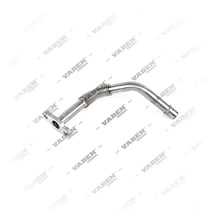
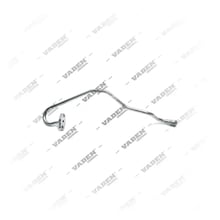
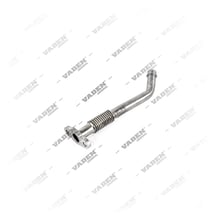
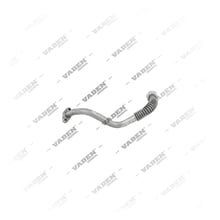
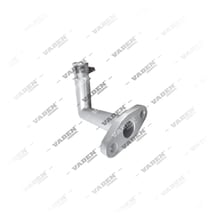
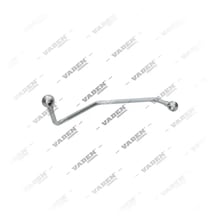
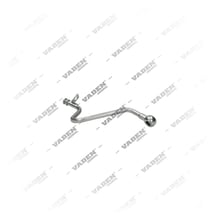
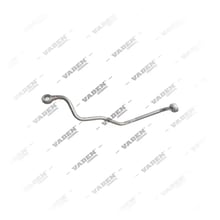
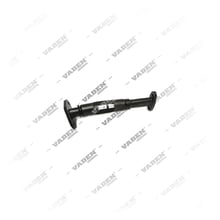
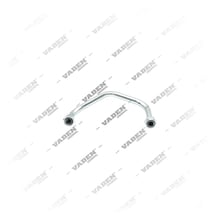
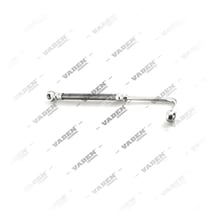
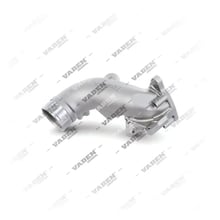
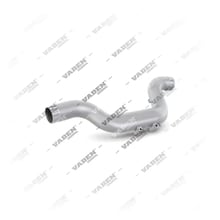
What Is a Turbo Pipe?
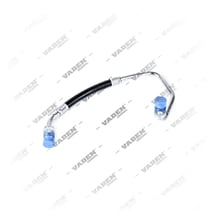
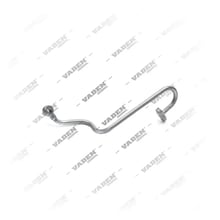
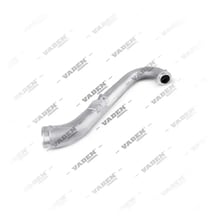
Turbo pipe refers to the group of pipes and hoses in heavy commercial vehicles that carry air, pressurized gas, and engine oil between the engine's turbocharger system and the intake manifold, intercooler, and lubrication circuit. In the field it is also known as a "turbo hose," "turbo oil line," or "intercooler pipe." This category covers the oil feed pipe supplying the turbocharger, the oil return pipe carrying oil back to the crankcase, the pressurized air pipes between turbo and intercooler, and, on some engines, the water cooling line. A turbocharger uses an exhaust-driven turbine to compress intake air, letting the engine produce more power and torque from the same displacement. Without the turbo pipe group, this air and lubrication flow could not be carried in a controlled way, so turbocharger performance depends directly on these pipes.
How Does a Turbo Pipe Work?
In the turbocharger circuit, the oil feed pipe delivers pressurized oil from the engine oil pump to the turbocharger's bearing housing, so the turbine shaft spins with minimal friction at high speed. The return pipe then sends this oil back to the crankcase by gravity; its slope and internal diameter are critical to prevent blockages. On the air side, turbo pipe carries hot air from the compressor outlet to the intercooler, then routes cooled air to the intake manifold. Some turbocharger types also include a water cooling pipe that cools the bearing housing to prevent overheating. These three circuits — oil, air, and cooling — working together without any loss of sealing is the foundation for the turbocharger producing efficient, reliable boost pressure.
Turbo Pipe Technical Specifications
The material used in turbo pipe manufacturing varies according to the line's function. The oil feed pipe must withstand high pressure, while the return pipe operates at lower pressure but needs a sufficient internal diameter — any narrowing causes oil pooling and can lead to turbo failure. Pressurized air pipes are designed to withstand the turbocharger's outlet pressure and the temperatures found in the engine bay. Vehicle compatibility is determined based on the engine code, turbocharger model, and connection flange dimensions; for exact torque and tightening values, the vehicle's current service manual is authoritative.
- Steel / Copper-Nickel Pipe: Rigid pipe material resistant to high pressure, used on the oil feed line.
- Braided Steel Hose: Combines flexibility with durability under vibration and heat.
- Silicone Hose: Provides high temperature resistance on pressurized air lines.
- Reinforced Rubber Hose: Balances flexibility and sealing at intercooler connections.
Turbo Pipe Types and Subgroups
- Turbo Oil Feed Pipe: Carries pressurized oil from the engine oil pump to the turbo bearing housing.
- Turbo Oil Return Pipe: Sends oil from the turbo back to the crankcase by gravity.
- Turbo Pressurized Air Pipe: Carries hot, compressed air from the compressor outlet to the intercooler.
- Intercooler Connection Pipe: Carries cooled air from the intercooler to the intake manifold.
- Turbo Water Cooling Pipe: Provides coolant circulation in water-cooled turbocharger housings.
- Turbo Pipe Gasket and Connection Kits: Guarantee sealing at pipe-to-flange joints.
- Turbo Pipe Clamp and Mounting Sets: Prevent pipes from shifting or chafing under vibration.
How to Choose the Right Turbo Pipe
Choosing the right turbo pipe starts with verifying the engine code and turbocharger model number; pipes that look identical can differ in internal diameter, length, and flange angle. On the oil feed and return lines, a smooth internal surface reduces carbon buildup and blockage. For pressurized air pipes, the silicone or reinforced rubber material's temperature and pressure resistance must match actual engine bay conditions. The table below summarizes the key criteria to consider during selection.
Turbo Pipe Selection and Compatibility Criteria| Criterion | Why It Matters |
|---|
| Engine Code / Turbo Model | Pipe geometry and flange dimensions are specific to the engine and turbo model |
| Line Type (Oil Feed / Return / Air) | Each line has different pressure and flow requirements |
| Material Structure | Steel, braided hose, or silicone; determines temperature and pressure resistance |
| Internal Diameter and Length | Incorrect sizing causes oil pooling or pressure loss |
| Connection Flange / Clamp Type | The correct type is needed for sealing and installation fit |
| Certification / OE Reference | Compliance with OEM dimensions ensures long-lasting, safe operation |
Turbo Pipe Maintenance and Key Considerations
- Check the Oil Return Line Periodically: Carbon buildup or blockage in the return pipe disrupts turbo lubrication.
- Verify Pipe Connections Are Properly Tightened: Loose clamps and flanges cause air or oil leaks.
- Inspect Hoses for Cracks and Hardening: Silicone and rubber hoses can harden and crack over time.
- Clean the Internal Surface Before Installation: Dirt or metal shavings in the old pipe can quickly damage a new turbocharger.
- Tighten to the Correct Torque Value: Overtightening can deform the flange, undertightening causes leaks; check the service manual for the value.
- Use Parts Built to OE Dimensions: An incorrect internal diameter can cause insufficient lubrication or pressure loss.
Common Turbo Pipe Failures and Solutions
- Blue/Gray Smoke from the Turbo: The oil return pipe is blocked or cracked; the pipe needs to be cleaned or replaced.
- Low Turbo Boost Pressure: A crack, loose clamp, or puncture in the pressurized air pipe; inspect and replace the hose and clamp set.
- Premature Turbo Bearing Wear: Blockage or insufficient oil flow in the feed pipe; inspect the pipe and filter.
- Air Leak Noise from the Engine Bay: Loss of sealing at a pressurized air pipe connection; the gasket and clamp should be renewed.
- Turbo Overheating: Blockage or leak in the water cooling pipe; the cooling line should be cleaned and its sealing verified.
Why Choose VADEN ORIGINAL Turbo Pipes?
- Built to OE Dimensions: Manufactured with the correct internal diameter, length, and flange geometry for each engine code and turbo model.
- Extensive OEM/OE Cross-Referencing: Cross-referenced for Mercedes-Benz, MAN, Scania, Volvo, DAF, Iveco, and Renault vehicles fitted with turbocharger types such as Wabco, Knorr-Bremse, BorgWarner, and Garrett.
- Materials Resistant to Heat and Pressure: Steel, braided hose, and silicone materials selected for the demanding conditions of the engine bay.
- Sealing-Focused Manufacturing: Gaskets and connection kits designed to prevent air and oil leaks.
- Exported to More Than 100 Countries: Broad stock availability and proven quality that simplify maintenance for heavy-duty fleets.
Conclusion
Turbo pipe is an essential component group for lubricating and cooling the turbocharger system and for carrying pressurized air flow in a controlled manner. A turbo pipe chosen with the correct engine code and turbo model match, built to OE dimensions, directly protects both turbocharger lifespan and engine performance. The VADEN ORIGINAL turbo pipe and hose group delivers the reliability and compatibility that heavy commercial vehicle fleets need.
Frequently Asked Questions (FAQ)
What does a turbo pipe do?
The turbo pipe group delivers engine oil to the turbocharger's bearing housing and returns it, and also carries pressurized air from the compressor to the intercooler and intake manifold. Without these lines, the turbocharger could neither be lubricated nor safely deliver compressed air to the engine.
What are the symptoms of a faulty turbo pipe?
Common symptoms include blue or gray smoke from the exhaust, low turbo boost pressure, a drop in engine power, an air leak noise from the engine bay, and turbo overheating. If any of these symptoms appear, the oil and air pipes should be inspected.
Why does the turbo oil return pipe get blocked?
Oil residue that carbonizes at high temperature, or installation with insufficient slope, narrows the internal diameter of the return pipe and leads to blockage. A blocked return pipe can cause oil to pool in the turbo bearing housing and result in leaks.
What should be considered when replacing a turbo pipe?
Before replacement, the engine code and turbo model number should be verified, the internal surface should be clean during installation, and connections should be tightened to the correct torque value. Overtightening or undertightening can cause loss of sealing and premature failure.
Which vehicles are VADEN ORIGINAL turbo pipes compatible with?
The VADEN ORIGINAL turbo pipe group is compatible with various turbocharger types used on Mercedes-Benz, MAN, Scania, Volvo, DAF, Iveco, and Renault heavy trucks, tractor units, and buses. Compatibility should be verified using the engine code and turbo model information before ordering.
Related technical guide: Turbocharger: Symptoms, Diagnosis, Replacement & Maintenance