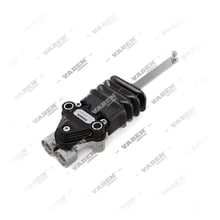
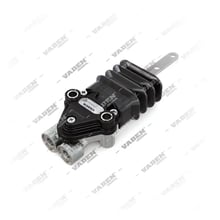
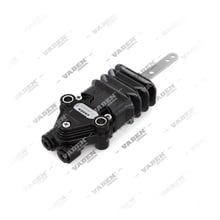
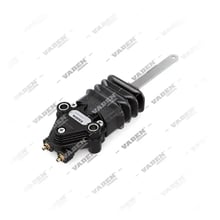
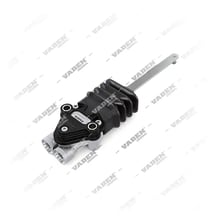
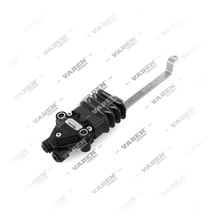
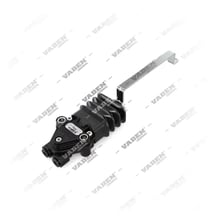
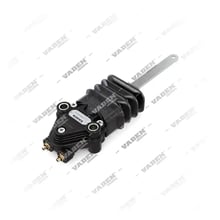
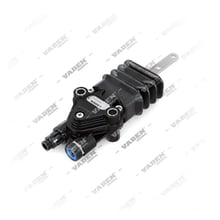
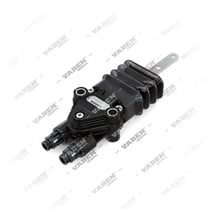
What is cab suspension?
Cab suspension is the set of components that flexibly connects a heavy vehicle's driver cab to the chassis and dampens the vibration, jolts and shocks that travel up from the road. It is not the wheel or axle suspension; it controls only how the cab moves relative to the chassis. Made up of cab shock absorbers, air bags or rubber mounts, a leveling valve and mounting hardware, it gives truck drivers a smoother, less fatiguing ride.
What does cab suspension do?
- Absorbs vibration and shock: Soaks up jolts from rough road surfaces so very little reaches the cab.
- Delivers ride comfort: Reduces driver fatigue and improves comfort on long-haul journeys.
- Maintains cab height: The leveling valve keeps the cab balanced even as load and terrain change.
- Keeps the cab stable: Prevents excessive cab sway during hard braking, cornering and surface transitions.
- Extends component life: By absorbing impacts it reduces wear on cab mounting points and interior equipment.
Cab suspension technical summary
| Feature | Description |
|---|
| Material | High-strength steel body, rubber air bag/mount, corrosion-resistant coating |
| Vehicle type | Heavy commercial vehicles; truck, tractor unit and bus cabs |
| Compatibility | Mercedes-Benz, MAN, Scania, Volvo, DAF, Iveco, Renault, Ford and BMC cab systems |
| System | Cab suspension (not axle/wheel suspension) |
| OE-equivalent approach | Designed to match original equipment dimensions and mounting geometry |
| Installation | Front/rear cab mounting points; professional workshop fitting recommended |
| Maintenance | Periodic checks for leaks, wear and correct height |
Cab suspension components and repair kit
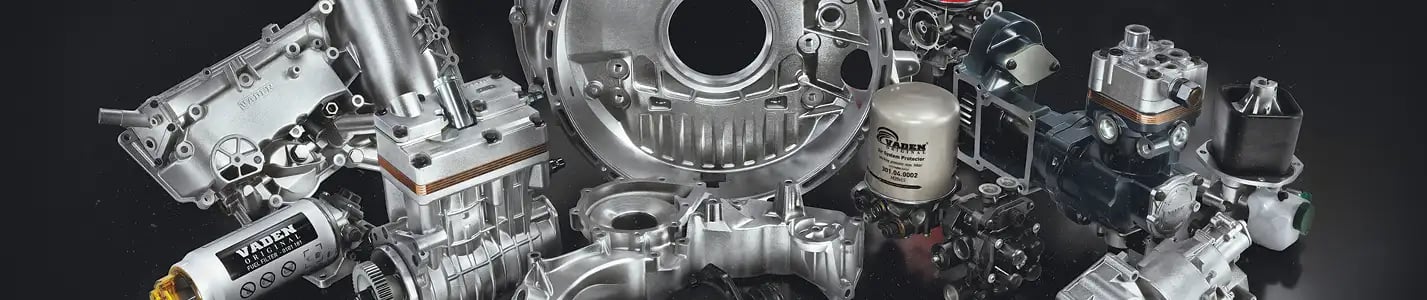
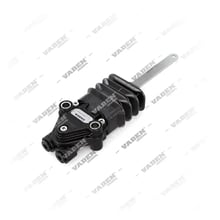
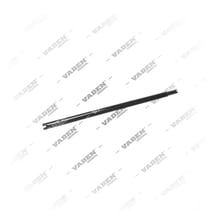
- Cab shock absorber: Hydraulic/pneumatic damper that controls cab movement; the core of ride comfort.
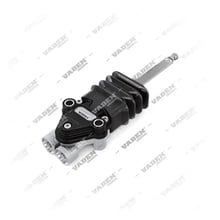
- Cab air bag / mount: Air bag or rubber mount that carries the cab, absorbs impacts and sets ride height.
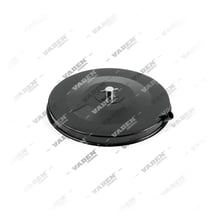
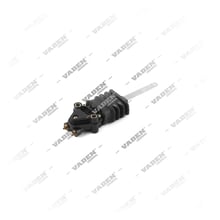
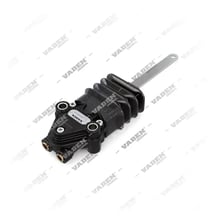
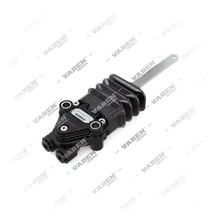
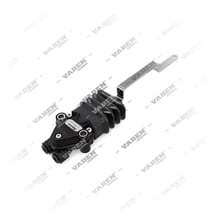
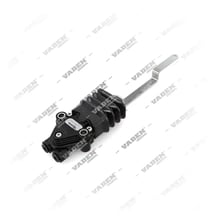
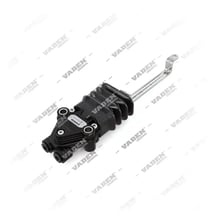
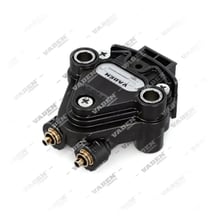
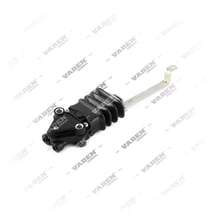
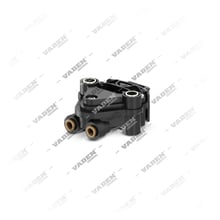
- Leveling valve: Regulates air pressure to automatically keep the cab at a constant height.
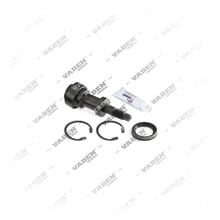
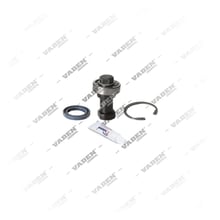
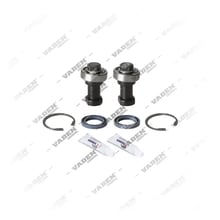
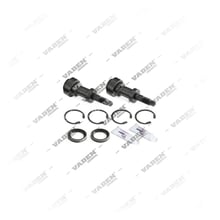
- Repair kit: Overhaul set with seals, bellows, rubber parts and connectors to refurbish rather than replace.
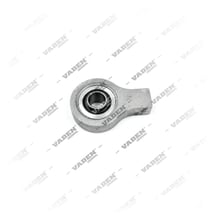
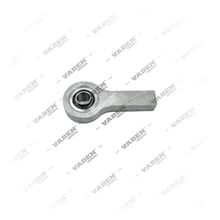
- Mounting hardware: Brackets, bushings and bolts that flexibly attach the cab to the chassis.
What to watch for when maintaining cab suspension
- Regular inspection: Check the shock absorber, air bag and valve periodically for leaks, cracks or wear.
- Watch for air leaks: Monitor air bag and valve connections for signs of pressure loss.
- Height adjustment: If cab height is uneven, inspect and adjust the leveling valve.
- Use genuine parts: Choose OE-standard parts such as VADEN ORIGINAL for safe, lasting comfort.
- Professional installation: Replacement and adjustment should be carried out by a qualified workshop.
Common cab suspension problems and fixes
- Excessive cab sway: Usually caused by a worn-out cab shock absorber; renew the shock absorber.
- Cab sitting low on one side: An air bag leak or a faulty leveling valve; inspect and replace the bag and valve as needed.
- Noise and rattles while driving: Caused by worn mounts, bushings or loose fasteners; renew the parts with a repair kit.
- Cab height won't hold steady: The leveling valve is out of adjustment or failing; adjust or replace the valve.
- Harsh, uncomfortable ride: Air loss in the bag or a seized shock absorber; check and renew the affected component.
Why choose VADEN ORIGINAL cab suspension?
- Made to OE standards: Built to original equipment dimensions and geometry with an ISO quality approach.
- Durable materials: Manufactured from quality materials that withstand heavy commercial vehicle loads and vibration.
- Wide compatibility: A product range that fits a broad mix of truck and tractor-unit makes and models.
- Complete solution: Shock absorbers, air bags, leveling valves and repair kits under one roof.
- Technical support: Professional guidance for correct part selection and installation.
Frequently Asked Questions (FAQ)
What is the difference between cab suspension and axle suspension?
Cab suspension only isolates the driver's cab from the chassis to provide ride comfort; axle suspension carries the vehicle's wheels and axles and manages road holding. They are two separate systems.
What happens when cab suspension fails?
You get excessive cab sway, the cab leaning to one side, noise and an uncomfortable ride. This increases driver fatigue and strains the cab mounts, so the affected parts should be renewed.
What does the leveling valve do?
The leveling valve regulates the air pressure feeding the cab air bag, keeping the cab at a constant height as load and terrain change. If it fails, cab height becomes uneven.
When should a cab shock absorber be replaced?
Replace it when you notice obvious cab sway, oil leakage, noise or a loss of comfort. Inspect the shock absorber and renew it if needed.
What is included in a cab suspension repair kit?
A repair kit typically includes seals, bellows, rubber parts, bushings and connectors, letting you overhaul the component instead of replacing it complete.
Which vehicles can use VADEN ORIGINAL cab suspension?
There are options to suit the cab systems of heavy commercial vehicles such as Mercedes-Benz, MAN, Scania, Volvo, DAF, Iveco, Renault, Ford and BMC. Always confirm the OE-equivalent reference for the correct part.
Conclusion
Cab suspension is a critical system that directly determines ride comfort, cab stability and driver well-being in heavy commercial vehicles. With regular maintenance and OE-standard parts you can maximize both comfort and safety. For quality cab shock absorbers, air bags, leveling valves and repair kits, trust VADEN ORIGINAL.
Related technical guide: Cab Suspension (Shock Absorber, Air Bellow, Leveling Valve): Faults & Repair