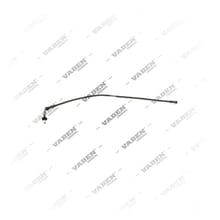
What Is a Glove Box Cable?
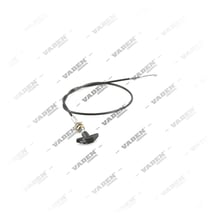
A glove box cable is a specialized wiring harness component in heavy commercial vehicles that supplies the lighting, lock, and, where fitted, sensor connections for the glove box (storage compartment) located inside the cabin. In the field, this part is sometimes also called a "dashboard box cable," "glove box wiring," or "cabin interior lighting cable." Because the glove box lid in truck and bus cabins is opened and closed constantly, the wiring here has a different construction from standard fixed cables; it is built with a flexible conductor bundle and durable connectors. As part of the cabin electrical system, the glove box cable allows the driver to use the glove box safely and keeps the interior lighting working without issue. When it fails, the glove box lamp does not light, the lock mechanism does not operate, or there is a risk of a short circuit in the cabin's interior electrical system.
How Does a Glove Box Cable Work?
The glove box cable carries current from the cabin's main wiring harness to the lighting fixture inside the glove box, the electric lock mechanism, or the lid-open sensor. When the lid is opened, the circuit is completed and the interior lamp lights up; when the lid is closed, the circuit is broken and the lamp goes out. In some vehicles, the glove box cable also supplies power to an electric lock motor that works together with the central locking system. The wiring bundle is coated with flexible insulation material designed to withstand the lid's constant movement, and the connectors are held fixed in position against vibration. Reliable operation of the system depends directly on the integrity of the cable insulation and the tightness of the connector connections.
- Lighting Circuit: Carries the signal from the lid-open switch to the interior lamp, providing instant illumination.
- Lock Circuit: Transmits the command from the central locking system to the electric lock motor.
- Signal Transmission: Where fitted, carries lid-position data from the relevant sensor to the cabin's electronic system.
- Grounding: Maintains electrical integrity by providing a secure ground connection for the circuit through the chassis.
Glove Box Cable Technical Specifications
Glove box cable assemblies are produced with cable cross-section, connector type, and length that vary by vehicle model, so the correct part must be selected based on the vehicle's chassis number and model year. The cable insulation material is chosen to withstand cabin temperature fluctuations and continuous mechanical movement. The connectors are manufactured to match the original socket structure exactly, allowing connection to the vehicle's mating plug without any additional work. Voltage and current values are determined according to the vehicle's electrical system (typically a 24V heavy commercial vehicle system); for exact current and voltage tolerances, the vehicle manufacturer's current service manual is authoritative. In VADEN ORIGINAL production, cable cross-section and connector material are determined in strict accordance with OE dimensions.
Glove Box Cable Types and Subgroups
- Glove Box Lighting Cable: The wiring run connected to the lid-open switch that supplies power to the interior lamp.
- Glove Box Lock Cable: The wiring component that connects the electric lock mechanism to the central locking system.
- Lid-Open Sensor Cable: A thin-gauge cable group that carries the signal to the sensor detecting the lid position.
- Main Harness Connection Plug: The connector terminal that links the glove box wiring to the cabin's main wiring harness.
- Ground Cable: The line that provides the ground connection of the glove box electrical circuit through the chassis.
How to Choose the Right Glove Box Cable
To choose the right glove box cable, first determine the vehicle's make, model, and chassis number, then compare the connector type and pin count of the existing cable. Since the glove box is a cabin-interior component, cable length and mounting points vary by vehicle; a cable of the wrong length makes installation difficult and can lead to premature failure due to tension. The table below summarizes the key criteria to consider during selection.
Glove Box Cable Selection Criteria| Criterion | Why It Matters |
|---|
| Vehicle Chassis Number | Cable length and connector structure vary by model |
| Connector Pin Count | Ensures correct matching of the lighting, lock, and sensor lines |
| Cable Cross-Section | Determines current-carrying capacity and heat resistance |
| Insulation Material | Affects resistance to cabin temperature and constant movement |
| Mounting Points | Determines the cable's flexibility to match the lid hinge |
Glove Box Cable Maintenance and Points to Watch
- Check the Connector Connection Regularly: Loose or oxidized connectors cause the lighting to work intermittently.
- Inspect the Cable Insulation: Catch insulation wear early, since it results from the lid's constant opening and closing.
- Avoid Tension During Installation: Route the cable to match the lid's range of motion, without stretching it.
- Stay True to the Original Connector Structure: Connectors that do not fully match the mating plug create contact problems over time.
- Protect Against Moisture and Contamination: Moisture accumulating in the glove box area accelerates connector corrosion.
- Verify Fuse and Circuit Integrity: After replacing the cable, test the relevant fuse and circuit continuity.
Common Faults and Solutions
- Glove Box Lamp Does Not Light: A broken cable or loose connector is the likely cause; test cable continuity and replace the connector.
- Lamp Flickers Intermittently: An oxidized contact point or worn insulation may be involved; clean the connector, and renew the wiring group if necessary.
- Electric Lock Does Not Work: There may be a break in the lock cable or an issue with the central locking connection; check the lock wiring run and the plug connection.
- Short Circuit or Blown Fuse Inside the Cabin: Chassis contact caused by worn insulation is a likely cause; replace the damaged cable section with an original part.
- Lid-Open Sensor Sends an Incorrect Signal: There may be a contact issue in the sensor cable; check the connector and the sensor connection.
Why VADEN ORIGINAL?
- Manufactured to OE Dimensions: Cable cross-section, connector structure, and length are produced true to original part dimensions.
- Broad OEM Compatibility: Compatible solutions are offered for Mercedes-Benz, MAN, Scania, Volvo, DAF, Iveco, and Renault Trucks cabin wiring.
- Durable Material Selection: Insulation material resistant to constant movement and cabin temperature fluctuations is used.
- Exported to More Than 100 Countries: Manufactured to a global service network and a proven quality standard.
- Easy Installation: Production true to the original connector structure allows fast installation without additional work.
Conclusion
The glove box cable is a small but important wiring component for cabin comfort and electrical safety. A worn or faulty glove box cable can lead to lighting problems, lock failures, and the risk of a short circuit inside the cabin. VADEN ORIGINAL glove box cable assemblies, manufactured to OE dimensions, offer a reliable and long-lasting solution.
Frequently Asked Questions (FAQ)
What does a glove box cable do?
The glove box cable carries electrical current and signal to the lighting lamp, the electric lock mechanism, and, where fitted, the lid-open sensor of the glove box inside the cabin. This allows the lamp to light when the glove box is opened and lets the lock mechanism work without issue.
Why doesn't the glove box lamp light up?
The most common cause is a break in the wiring harness or looseness/oxidation at the connector. Cable continuity should be tested, the connector cleaned, or the wiring group replaced if necessary.
Which vehicles is the glove box cable compatible with?
VADEN ORIGINAL glove box cable assemblies are manufactured to be compatible with heavy commercial vehicle cabins such as Mercedes-Benz, MAN, Scania, Volvo, DAF, Iveco, and Renault Trucks. It is recommended to confirm compatibility with technical support using the vehicle's chassis number before ordering.
Is it difficult to replace the glove box cable?
Thanks to wiring groups produced true to the original connector structure, the process is generally straightforward; the old cable is removed and the new one is fitted to the same connector points. During installation, it is important to route the cable to match the lid's movement without creating tension.
Is there a short-circuit risk with the glove box cable?
Yes, the lid's constant opening and closing can wear down the cable insulation over time and create a short-circuit risk from chassis contact. When damaged insulation is noticed, replacing the wiring group with an original part is recommended.