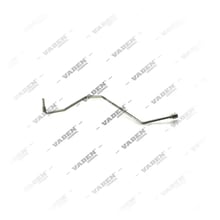
What Is a Transmission Control Cylinder Pipe?
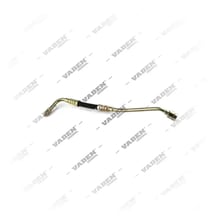
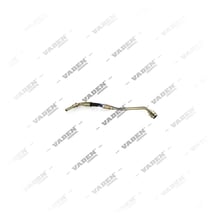
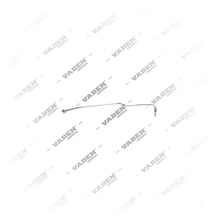
The Control Cylinder Pipe is the connecting line that carries pressurized air or hydraulic fluid to the control cylinder that transmits gear selection and gear shift commands in heavy commercial vehicle transmissions. It acts as the bridge between the transmission's control unit and the cylinder, delivering the fluid needed to convert the signal from the driver's cab or the electronic control module into physical movement, on time and without loss. In the field, this part is sometimes also referred to as the gear control hose, cylinder feed pipe, or transmission actuator line. It is widely used in the automated manual transmissions (AMT) of heavy vehicles such as Mercedes-Benz, MAN, Scania, Volvo, DAF and Iveco, as well as in some fully automatic transmission groups. The integrity of the Control Cylinder Pipe directly affects whether gear shifts happen quickly, smoothly and without delay.
How Does a Control Cylinder Pipe Work?
The transmission control system triggers a valve block on command from the electronic control unit; this valve block routes pressurized air or hydraulic oil through the Control Cylinder Pipe to the relevant control cylinder. The piston inside the cylinder moves under this pressure and pushes the shift fork, engaging the gear inside the transmission. Within this cycle, the pipe guarantees that the fluid reaches its destination without loss, at constant pressure and in the correct direction. Any leak, crack or loose connection prevents the cylinder from generating the required force, causing gear shifts to be delayed or to fail altogether. For this reason, the integrity of the pipe line is critical to the transmission's overall response speed and reliability.
Control Cylinder Pipe Technical Specifications
Control Cylinder Pipe technical and application information| Specification | Description |
|---|
| Product Group | Transmission control cylinder feed/return pipe line |
| Material Construction | Pressure- and vibration-resistant steel or reinforced polymer body, anti-corrosion coating |
| Fluid Type | Pressurized air (pneumatic AMT systems) or hydraulic oil (some automatic transmission groups) |
| Connection Type | Quick-connect fitting between the transmission control unit and the control cylinder |
| Operating Pressure | Varies by system type; consult the vehicle's current service manual for the exact value |
| Vehicle Compatibility | Mercedes-Benz, MAN, Scania, Volvo, DAF, Iveco heavy commercial vehicle transmission groups |
| Quality Standard | VADEN ORIGINAL manufacturing to OEM dimensions and tolerances |
Control Cylinder Pipe Types and Subgroups
- Feed Pipe Line: The main pressure line running from the valve block to the control cylinder, carrying the gear shift command directly.
- Return Pipe Line: Routes the fluid released during the piston's return stroke back to the system or to exhaust.
- Clamp-Mounted Types: Pipes fitted with clips and clamps that dampen vibration when mounted to the chassis or transmission housing.
- Quick-Connect Types: Pipe assemblies with fitting ends that allow fast removal and installation during service.
- Heat-Resistant Pipes: Specially coated versions for lines exposed to the high temperatures around the engine and transmission area.
How to Choose the Right Control Cylinder Pipe?
The first step in choosing the right Control Cylinder Pipe is correctly identifying the vehicle's make, model and transmission type (pneumatic AMT or hydraulic automatic), since fluid type and connection dimensions differ between systems. Second, the pipe length and fitting angle must match the original layout inside the transmission housing exactly; incorrect dimensions cause stress and premature fatigue cracking during installation. The pressure class must also meet the system's operating pressure, and the material must withstand the heat of the engine bay area, neither of which should be overlooked. When in doubt, it is recommended to verify the correct part with the VADEN technical support team using the stock code or chassis number.
- Transmission Type Verification: Clarify whether the vehicle uses a pneumatic AMT or a hydraulic automatic group.
- Connection Size Match: Fitting diameter and pipe length must match the original layout exactly.
- Pressure Class Check: The pipe must withstand the system's operating pressure and any pressure fluctuations.
- Heat Resistance: Select a material suited to the temperature around the engine and transmission area.
Control Cylinder Pipe Maintenance and Points to Watch
- Perform Periodic Visual Inspections: Check the pipe surface regularly for cracks, swelling or signs of leakage.
- Keep Connection Fittings Tight: Loose fittings cause pressure loss and irregular gear shifts; tighten them to the specified torque values.
- Check the Mounting Clamps: Missing or broken clamps cause excessive vibration and friction wear on the pipe.
- Keep Away from Heat Sources: Pipes in contact with the exhaust or engine block face a higher risk of premature hardening and cracking.
- Replace with Original Dimensions and Material: Using a pipe with a different diameter or incompatible material negatively affects system pressure.
Common Faults and Their Solutions
- Delayed Gear Shifts: Pressure loss or partial blockage in the pipe line is likely; check the line for leaks and replace the pipe if necessary.
- Gear Shift Does Not Complete: The control cylinder may not be receiving enough fluid; verify the pipe connections and fitting seals.
- Air/Oil Leak at the Connection Point: A worn seal or cracked fitting end is usually the cause; renew the pipe and the connection component together.
- Abnormal Vibration Noise: A loose or broken mounting clamp may be letting the pipe contact the chassis; replace the clamps.
- Erratic Response in Gear Control: There may be an air bubble or partial damage inside the pipe; bleed the system and inspect the line.
Why VADEN ORIGINAL?
- Manufactured to OE Dimensions: The Control Cylinder Pipe is produced to match original equipment dimensions and tolerances exactly.
- Broad OEM Coverage: Provides direct compatibility with Mercedes-Benz, MAN, Scania, Volvo, DAF and Iveco transmission groups.
- Durable Material Selection: Uses components tested against vibration, heat and pressure fluctuations.
- Exported to More Than 100 Countries: Delivers globally proven quality and supply reliability.
Conclusion
The Control Cylinder Pipe is the invisible but critical link in the chain that turns the transmission's gear shift command into physical movement. A leak-free pipe line, correctly sized and made from original material, means fast gear shifts, lower maintenance costs and a longer transmission service life. The VADEN ORIGINAL product range ensures that heavy commercial vehicle fleets can source this critical component in original quality and with broad vehicle compatibility.
Frequently Asked Questions (FAQ)
How are gear shifts affected when the Control Cylinder Pipe fails?
When there is a leak or blockage in the pipe line, the control cylinder does not receive enough pressure. This causes gear shifts to be delayed, to feel jerky, or in some cases to fail to engage a gear at all.
Which vehicles use the Control Cylinder Pipe?
It is used in the automated manual transmission (AMT) and some automatic transmission groups of heavy commercial vehicles such as Mercedes-Benz, MAN, Scania, Volvo, DAF and Iveco. It is recommended to confirm the exact application using the chassis number or stock code.
How can I tell if the pipe line is leaking?
Delayed gear shifts, abnormal noise, or visible oil or air leakage at the connection points are the first signs of a leak. If in doubt, visually inspect the pipe and fitting connections and, if necessary, carry out a pressure test.
How often should the Control Cylinder Pipe be replaced?
There is no fixed replacement interval; the pipe should be visually inspected during periodic maintenance and replaced immediately if cracking, swelling or signs of leakage appear. For heavily used fleet vehicles, more frequent inspection is recommended.
Why is using a non-original pipe risky?
A pipe with a different diameter, material or pressure rating can cause irregular system pressure, premature fatigue cracking, and reduced reliability of the gear control. For this reason, choosing VADEN ORIGINAL parts manufactured to OE dimensions is recommended.