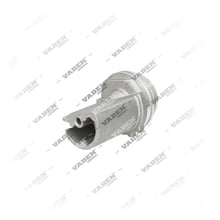
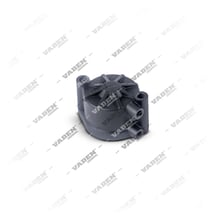
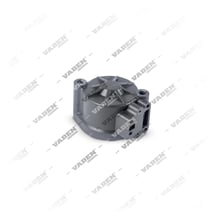
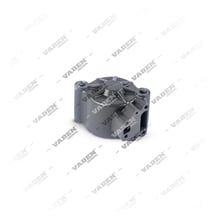
What Is a Shift Cylinder Housing?
The shift cylinder housing is the load-bearing core of the shift cylinder that pneumatically drives gear changes in heavy commercial vehicle transmissions. The cast aluminum or steel housing brings together the piston bore, the air inlet and outlet channels, and the seal seating surfaces in a single body. In the field it is also known as the "cylinder body," "actuator housing," or "shift cylinder block." While a complete shift cylinder kit is sold with the piston, spring, seals and cover included, the housing refers only to the cast body portion of that kit — the main bore the piston travels inside. In cases of wear, cracking, or surface damage, the housing alone can be reconditioned or replaced without swapping the entire cylinder assembly.
How Does a Shift Cylinder Housing Work?
The transmission's gear shift control system converts the command from the driver or the electronic shift unit into air pressure that moves the shift forks. The shift cylinder housing is the physical center of this process: the cylindrical bore inside it guides piston movement, the air channels route pressurized air to the correct chamber, and the mounting surfaces fix the part to the transmission case. As the piston travels back and forth in an airtight seal against the housing's inner surface, the force it generates is transmitted to the shift fork shaft, changing gear mesh. The smoothness and accuracy of the housing's inner surface directly determine sealing integrity and shift quality.
Shift Cylinder Housing Technical Specifications
The housing is typically manufactured from die-cast aluminum alloy; in some heavy-duty applications, cast steel or ductile iron is preferred instead. Bore tolerances require micron-level matching with the piston and seal set, so any housing that deviates from original dimensions results in a loss of sealing. The air ports generally follow standard pneumatic thread connections, with port count and layout varying by vehicle model. Mounting surfaces are machined to bolt directly onto the transmission housing, and flatness of the seal seat is critical to leak-free operation. Because exact torque, bore diameter and tolerance values vary by transmission model, the vehicle's current service manual should always be consulted before installation.
- Housing Material: Die-cast aluminum alloy or ductile cast steel.
- Inner Surface Finish: Honed or ground precision cylindrical bore.
- Connection Type: Bolted mounting surface with threaded pneumatic ports.
- Tolerance Class: Micron-level fit with the piston-seal set.
Shift Cylinder Housing Types and Subgroups
- Single-Chamber Housing: Designed for single-direction piston travel, used in simple shift fork applications.
- Dual-Chamber (Tandem) Housing: Combines forward-and-back or three-position shift movement in one housing through two separate piston chambers.
- Housing with Integrated Sensor Bore: A version found on electronically controlled transmissions, where the gear position sensor mounts directly onto the housing.
- Sleeved (Bushed) Housing: A design in which the inner surface is protected by a separate wear sleeve, simplifying reconditioning.
- Direct-Bore Cast Housing: A more economical variant with the inner surface machined directly into the casting, without a separate sleeve.
How to Choose the Right Shift Cylinder Housing
The first selection criterion is an exact match with the vehicle's transmission make and model; housings that look identical can have different bore diameters or port layouts. The second is the condition of the inner surface: a housing with scoring, corrosion, or oval wear will not seal properly even with a new piston and seal set, and must be replaced. Third, check the flatness of the mounting surface and bolt-hole alignment, since even slight misalignment shortens seal life. Cross-check the OEM reference number against the VADEN ORIGINAL catalog code to confirm the correct part has been selected.
Shift Cylinder Housing Selection and Compatibility Criteria| Criterion | Check Point | Result / Effect |
|---|
| Bore Diameter | Micron-tolerance fit with piston and seal set | Sealing integrity and shift force |
| Material Structure | Cast aluminum or ductile cast steel | Heat resistance and mechanical durability |
| Port Layout | Number and position of air inlet-outlet channels | Correct pneumatic line connection |
| Mounting Surface | Flatness and bolt-hole alignment | Seal life and leak-free installation |
| Inner Surface Condition | Scoring, oval wear, or corrosion marks | Piston movement and sealing stability |
| OEM Reference Match | Code correspondence by transmission make/model | Installation accuracy and warranty assurance |
Shift Cylinder Housing Maintenance and Key Considerations
- Inspect the Inner Surface Before Installation: Before fitting the piston, make sure the bore is free of scoring, rust, or oval wear.
- Clean the Seal Seat: If old seal residue is not removed before fitting a new seal, sealing integrity is compromised from the start.
- Tighten Mounting Bolts Gradually and in a Cross Pattern: Uneven tightening torque causes micro-deformation and premature leakage.
- Keep Air Lines Free of Contamination: Dust or moisture in the control lines can carry into the housing and disrupt piston movement.
- Perform Periodic Leak Checks: An air leak sound or slowing gear shifts are the first sign that reconditioning is due.
Common Faults and Solutions
- Delayed or Stiff Gear Shifting: Usually caused by wear on the inner surface or hardening of the piston seal; requires inspecting the bore and renewing the seal set.
- Continuous Air Leak Sound: Caused by scoring on the seal seat or loose mounting bolts; examine the housing surface and retighten bolts to the correct torque value.
- Gear Slipping Out of Engagement: Occurs due to pressure loss in the piston chamber or a housing crack; check the housing for cracks and replace if necessary.
- Excessive Heat or Discoloration: Seen due to prolonged friction or insufficient lubrication; check inner surface roughness and apply proper lubrication.
Why VADEN ORIGINAL?
- Manufactured to OE Dimensions: Shift cylinder housings are produced to match original bore diameters and tolerance values precisely.
- Broad OEM Coverage: Reference matches are offered for Mercedes-Benz, MAN, Scania, Volvo, DAF, Iveco and Renault Trucks transmissions.
- Durable Casting Quality: High-strength cast material delivers a long-lasting, crack-resistant housing structure.
- Exported to More Than 100 Countries: VADEN ORIGINAL parts are manufactured with the quality and supply continuity trusted by global fleet operators.
Conclusion
The shift cylinder housing is the unseen yet indispensable component of the transmission's gear shift control system; the quality of its inner surface and dimensional precision directly affect how smoothly gears shift and the safety of the brake-transmission system. Replacing a worn or damaged housing in time with an OE-dimension VADEN ORIGINAL part restores the system to reliable operation without the cost of a complete cylinder replacement.
Frequently Asked Questions (FAQ)
What does a shift cylinder housing do?
The shift cylinder housing forms the main bore in which the piston moves in an airtight seal within the transmission's gear shift control system. It houses the air inlet and outlet channels and the seal seating surfaces, ensuring pneumatic pressure is transmitted correctly to the shift fork.
What is the difference between a shift cylinder housing and a complete shift cylinder?
A complete shift cylinder is an assembly that includes the housing, piston, spring and seal set in full. The housing is only the cast main bore component of that assembly, and it can be replaced on its own if the inner surface shows wear.
What faults commonly occur in a shift cylinder housing?
The most common faults are delayed gear shifting, a continuous air leak sound, gear slipping out of engagement, and discoloration from overheating on the housing's inner surface. These symptoms typically stem from inner surface wear, seal seat damage, or a crack in the housing.
When does a shift cylinder housing need to be replaced?
When scoring, oval wear, corrosion, or a crack is found on the inner surface, the housing must be replaced, since sealing cannot be achieved even with a new piston and seal set. Recurring air leaks found during periodic leak checks are also a sign that replacement is needed.
Which vehicles are VADEN ORIGINAL shift cylinder housings compatible with?
VADEN ORIGINAL shift cylinder housings are manufactured with OEM references suited to the manual and semi-automatic transmissions of heavy commercial vehicles from Mercedes-Benz, MAN, Scania, Volvo, DAF, Iveco and Renault Trucks. Verifying the transmission make and model before installation is recommended.