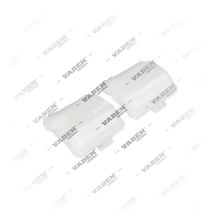
What Is a Rubber Repair Kit?
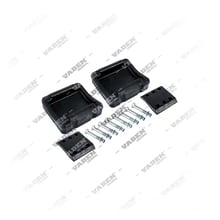
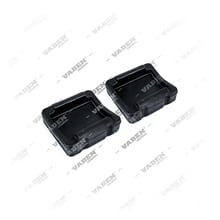
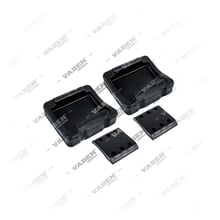
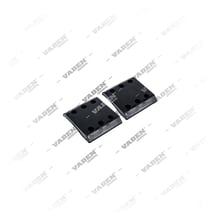
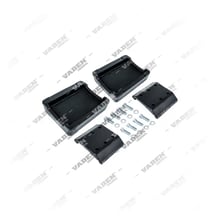
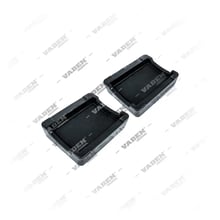
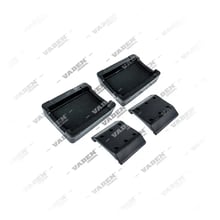
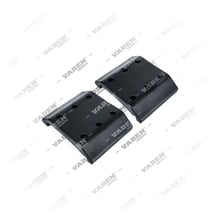
A Rubber Repair Kit is a complete replacement part set designed to renew the rubber components of the fifth wheel coupling on heavy commercial vehicles. In the field this kit is sometimes called a "fifth wheel rubber set" or "saddle rubber repair kit." The set includes the vibration cushions, rubber bumpers, sealing elements, and mounting bushings that sit between the fifth wheel plate and the chassis, letting the mechanical connection between tractor and trailer absorb shock and reduce stress on the frame. When the rubber elements harden and crack over time, or deform from oil or UV exposure, the connection can be restored to a solid, quiet state by replacing only this Rubber Repair Kit instead of the entire fifth wheel assembly.
How Does a Rubber Repair Kit Work?
The fifth wheel is bolted to the tractor's chassis and locks onto the trailer's kingpin, mechanically joining the two bodies together. If the constant vibration, torsion, and shock loads generated at this connection point are transmitted directly into the chassis, fatigue cracks can eventually form both in the weld areas and in the fifth wheel housing itself. This is exactly where the elastomer cushions and bumpers in the Rubber Repair Kit come into play: seated between the fifth wheel plate and the mounting brackets, they absorb impact, damp vibration, and prevent metal-to-metal contact. As the vehicle travels loaded or empty, corners, or crosses rough terrain, part of the resulting motion energy is converted into heat and dissipated by these rubber elements, which also seal against dust, moisture, and road salt, helping protect the metal surfaces from corrosion.
Rubber Repair Kit Technical Specifications
Fifth wheel rubber parts are manufactured from special elastomer compounds with high heat resistance and UV/ozone resistance, so they stay flexible without hardening even in locations close to engine and exhaust heat. The dimensions and hardness (Shore A rating) selected vary by the fifth wheel's make, model, and load capacity, so the fifth wheel type fitted to the vehicle (for example, designs compatible with Jost, SAF-Holland, or York) must always be verified before choosing a kit. Sets typically include the main load-bearing cushion, side bumpers, a center bushing, and the necessary mounting gaskets, all together. For exact torque values and assembly tolerances, always follow the vehicle's and the fifth wheel manufacturer's current service manual; quoting a generic torque range can be misleading, so the specific values in the manual should be applied.
- Material: Special elastomer (rubber) compound with high heat and ozone resistance.
- Hardness: Shore A values that vary by fifth wheel model.
- Compatibility: Specific geometries for fifth wheel systems such as Jost, SAF-Holland, and York.
- Kit Contents: Main cushion, side bumpers, bushing, and mounting gaskets, complete.
Rubber Repair Kit Types and Subgroups
- Main Load-Bearing Rubber Cushion: Located at the main contact surface where the fifth wheel plate rests on the chassis; carries the vertical load and absorbs vibration.
- Side Support Bumpers: Limit horizontal and torsional movement, reducing lateral sway of the fifth wheel.
- Center Bushing and Pin Rubbers: Reduce play on the central axis of the rotating mechanism and slow down wear.
- Sealing Gaskets: Prevent moisture, dust, and road salt from entering the mounting points.
- Vibration Damping Blocks: Provide extra damping, especially on tractors covering long distances under heavy loads.
- Mounting Washer and Fastener Sets: Ensure the rubber elements are secured in the correct position with balanced pressure.
How to Choose the Right Rubber Repair Kit
Before choosing the right kit, the fifth wheel's make, model, and load capacity must be clearly identified; rubber parts that look identical can be produced in different hardness grades and thicknesses, so the wrong choice leads to premature wear. The table below summarizes the key selection criteria.
Rubber Repair Kit Selection Criteria| Criterion | Why It Matters |
|---|
| Fifth Wheel Make/Model | Rubber part geometry and mounting hole dimensions vary by manufacturer |
| Load Capacity | Higher-tonnage tractors require rubber with a harder Shore A rating |
| Operating Environment | High-temperature or salty, humid climates call for a compound with strong UV and ozone resistance |
| Kit Contents | A complete set with main cushion, side bumpers, bushing, and gaskets improves installation quality |
| OEM Compatibility | Dimensional fit with fifth wheel systems such as Jost, SAF-Holland, and York should be confirmed |
Rubber Repair Kit Maintenance and What to Watch For
- Carry Out Periodic Visual Inspections: Check the rubber cushions regularly for cracking, hardening, or deformation.
- Clean the Surfaces Before Installation: Fully remove traces of the old rubber part and any rust from the mounting surface.
- Apply Bolt Torque per the Manual: Overtightening causes the rubber to crack prematurely, while a loose fit increases vibration.
- Avoid Contact with Oil and Chemicals: Prolonged contact with engine oil, grease, or solvents can soften and degrade the rubber material.
- Watch the Load Balance: Uneven loading causes the rubber parts to bear excessive pressure at a single point, shortening their service life.
Common Failures and Their Solutions
- Excessive Vibration at the Fifth Wheel: A hardened or cracked main load-bearing cushion; the rubber cushion needs to be replaced as a complete kit.
- Abnormal Squeaking or Metal Noise: A worn center bushing or side bumper; renewing the relevant rubber elements eliminates the noise.
- Moisture or Rust Marks Around the Fifth Wheel: A degraded sealing gasket; the gasket set needs to be replaced and the mounting surface cleaned of corrosion.
- Excess Play Felt in the Trailer Connection: Wear of the center pin rubber; renewing the bushing and pin rubbers with the repair kit is recommended.
- Cracking and Crumbling on the Rubber Surface: UV/ozone aging or chemical contact; the complete rubber repair kit should be replaced and the source of contact eliminated.
Why VADEN ORIGINAL?
- Manufactured to OE Dimensions: Fifth wheel rubber parts are produced to match original mounting dimensions and tolerances exactly.
- Broad OEM Matching: Compatible alternatives are offered for common fifth wheel systems such as Jost, SAF-Holland, and York.
- Durable Elastomer Compound: High resistance to heat, UV, and ozone delivers a long service life.
- Exported to More Than 100 Countries: Field-proven quality tested across a wide range of climates and road conditions.
Conclusion
A Rubber Repair Kit is an economical and effective renewal solution that resolves vibration and noise complaints at the fifth wheel connection without requiring a complete system replacement. When the kit matching the correct make, model, and capacity is chosen, both the tractor chassis and the trailer connection are protected. With the VADEN ORIGINAL Rubber Repair Kit, you can confidently renew your fifth wheel system with OE-quality replacement parts.
Frequently Asked Questions (FAQ)
Which vehicle part does a Rubber Repair Kit belong to?
A Rubber Repair Kit is a replacement part set covering the rubber cushions, bumpers, and bushings of the fifth wheel coupling on heavy commercial tractors. These rubber elements damp vibration between the tractor chassis and the trailer and protect the connection point.
When should fifth wheel rubber parts be replaced?
Replacement is needed once you notice cracking or hardening in the rubber cushions, excessive vibration, or squeaking around the fifth wheel. Regular visual inspections catch these signs early, preventing larger failures down the road.
Which fifth wheel brands is the Rubber Repair Kit compatible with?
The VADEN ORIGINAL Rubber Repair Kit is manufactured to dimensions compatible with widely used fifth wheel systems such as Jost, SAF-Holland, and York. Before ordering, it is recommended to confirm the make and model of the fifth wheel fitted to your vehicle.
Why do rubber parts harden and crack over time?
Rubber elements lose their flexibility and crack when exposed for long periods to UV light, ozone, temperature swings, and contact with oil or chemicals. This reduces their vibration-damping capacity and causes noise at the fifth wheel connection.
What should be considered when installing a Rubber Repair Kit?
Before installation, the contact surfaces should be cleaned and the bolts tightened to the torque values specified in the vehicle's service manual. Over- or under-tightening can cause the rubber parts to deform prematurely or result in a loose connection.
Related products — Fifth Wheel: Rubber (view all)