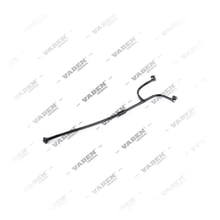
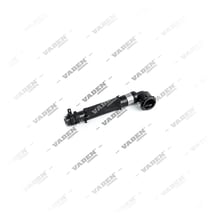
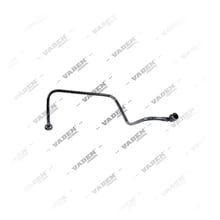
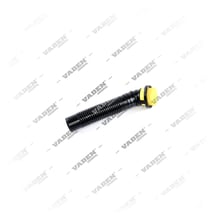
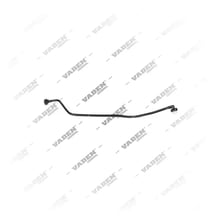
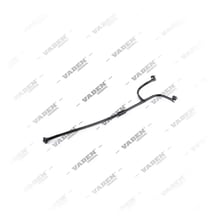
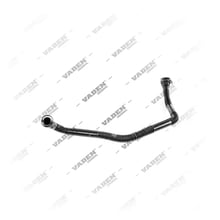
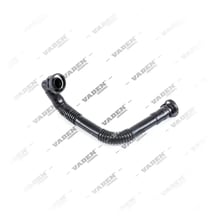
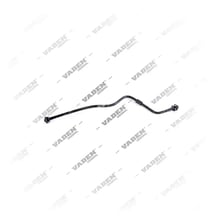
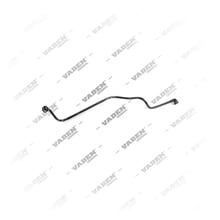
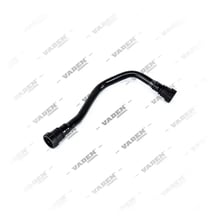
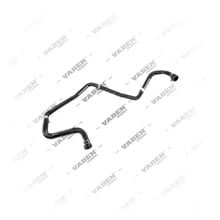
What Is a Radiator Pipe?
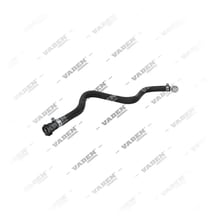
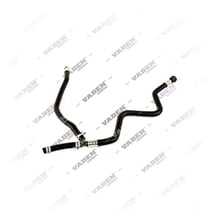
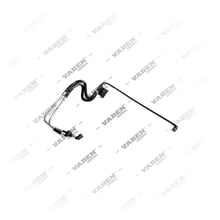
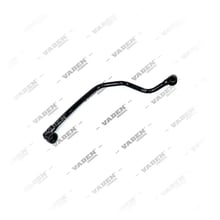
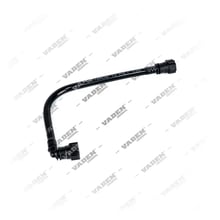
A radiator pipe is the connecting line in a heavy commercial vehicle's cooling system that carries coolant between the engine block, thermostat housing and radiator. Also known in the field as a "radiator hose," "water pipe" or "coolant pipe," this component lets the cooling circuit function as a sealed system. A radiator pipe is made either as a flexible rubber hose with corrugated bellows sections, a rigid pipe with a sheet-steel or aluminum body, or a combination of the two joined by a flanged connection. In truck, tractor unit, bus and trailer applications, its core job is to absorb engine vibration and thermal expansion while keeping the circuit leak-free. A radiator pipe selected in the correct size and material directly affects cooling system efficiency and engine safety.
How Does a Radiator Pipe Work?
While the engine runs, the water pump forces coolant through the circuit under pressure; the radiator pipe forms the physical line carrying this fluid from the engine block to the radiator and back again. When the thermostat is open, hot coolant travels through the radiator pipe to the radiator, cools on contact with outside air, and returns to the engine through the pipe. When the thermostat is closed, coolant instead circulates through the short bypass circuit within the engine, taking part of the radiator pipe out of the flow path. Throughout this cycle, the pipe must withstand both system pressure and vibration from engine movement; even a small leak at a connection point drops circuit pressure and reduces cooling capacity rapidly.
Radiator Pipe Technical Specifications
The material used depends on operating temperature and pressure; multi-layer EPDM rubber is preferred for hose-bodied sections, while sheet steel or aluminum is used for rigid pipe bodies. Inner diameter, wall thickness and connector-end geometry vary by vehicle-specific chassis and engine code, so matching against the chassis number or original part code before ordering is recommended. Clamp seating surfaces are made within a defined tolerance range to prevent fluid leakage, and the tightening torque specified by the manufacturer must be applied during installation; the vehicle's current service manual is the authoritative source for exact torque and pressure values. High-temperature resistance, resistance to ozone and oil, and shape retention under pressure are core qualities expected of a radiator pipe.
Radiator Pipe Types and Subgroups
- Upper Radiator Pipe: Carries hot coolant from the engine outlet to the radiator's upper tank.
- Lower Radiator Pipe: Returns coolant cooled in the radiator back to the water pump inlet.
- Thermostat Connection Pipe: Forms the bypass line between the thermostat housing and the radiator or engine block.
- Expansion Tank Connection Pipe: Directs air and excess fluid toward the expansion tank.
- Heater Circuit Pipe: Delivers hot coolant to the cabin heating system.
- Rigid Metal Connection Pipes: Provide a durable aluminum or sheet-metal connection in low-vibration areas near the engine.
- Flexible Rubber Bellows Hoses: Used in sections that absorb movement between engine and chassis and dampen vibration.
How to Choose the Right Radiator Pipe
The first criterion is verifying original dimensions and connection geometry against the vehicle's engine code and chassis number; inner diameter and end angle can vary noticeably between engine variants. The second is the temperature and pressure class the pipe faces based on its position; lines near the engine outlet need higher thermal resistance, while flexibility matters most in the cabin circuit. Clamp compatibility and original-equipment-grade material are other factors that reduce leak risk. The table below summarizes the key criteria for selecting a radiator pipe.
Radiator Pipe Selection and Application Criteria| Criterion | Description |
|---|
| Body Material | EPDM rubber (flexible lines), aluminum or sheet steel (rigid lines) |
| Connection Position | Upper pipe, lower pipe, thermostat line, expansion tank line, heater circuit |
| End Geometry | Straight end, tapered end, flanged connection; varies by vehicle |
| Temperature Class | High thermal resistance near the engine outlet, moderate level in cabin lines |
| Clamp Fit | Must match the original clamp seating diameter and tolerance |
| Vehicle Compatibility | Mercedes-Benz, MAN, Scania, Volvo, DAF, Iveco, Renault Trucks and BMC heavy-duty engine types |
Radiator Pipe Maintenance and What to Watch For
- Carry Out Regular Visual Checks: Periodically inspect the pipe surface for cracks, bulging, hardening or discoloration.
- Verify Clamp Tightness: Loose or over-tightened clamps cause leaks and pipe deformation; follow the manufacturer's torque value.
- Monitor Coolant Level: A sudden fluid loss is usually the first sign of a leak at the pipe or a connection.
- Watch for Bending and Strain During Installation: An excessive bend angle causes premature fatigue and cracking.
- Use Original-Dimension Parts: An incorrect inner diameter or wall thickness leads to premature failure under vibration.
Common Failures and Their Solutions
- Coolant Leakage: A cracked, hardened pipe body or a loose clamp; inspect both visually and replace if necessary.
- Engine Overheating: A blocked pipe interior or collapsed hose restricts the circuit; check the internal structure and replace any deformed part.
- Insufficient Cabin Heating: Trapped air or partial blockage in the heater circuit pipe; bleed the circuit and inspect the pipe line.
- Air Bubbles and Foaming in the System: Looseness or a micro-crack in the expansion tank connection pipe; verify connection tightness and pipe integrity.
- Bulging or Softening on the Pipe Surface: Material degradation from oil or chemical exposure; replace the affected pipe with one of original quality.
Why VADEN ORIGINAL?
VADEN ORIGINAL radiator pipe products are developed to an OE-dimension manufacturing standard and offer broad OEM matching for the engine and chassis applications of heavy commercial vehicle brands such as Mercedes-Benz, MAN, Scania, Volvo, DAF, Iveco, Renault Trucks and BMC. High-temperature and ozone-resistant components are used for rubber-bodied hoses, while corrosion-resistant materials are selected for rigid pipe groups. Backed by manufacturing that exports to more than 100 countries, VADEN ORIGINAL gives fleet operators and service points consistent access to quality replacement parts, with original part tolerances used as the reference throughout product development.
Conclusion
Although small, the radiator pipe is a critical component that directly affects cooling system integrity and engine safety. The right material, the right dimensions and timely maintenance reduce leak risk, prevent engine overheating and minimize vehicle downtime. VADEN ORIGINAL radiator pipe products offer an OE-quality solution for preserving the cooling system reliability of heavy commercial vehicle fleets.
Frequently Asked Questions (FAQ)
What does a radiator pipe do?
A radiator pipe is the connecting line that carries coolant between the engine block and the radiator. It delivers hot fluid to the radiator and returns cooled fluid to the engine, allowing the cooling circuit to run as a sealed, efficient system.
How can you tell a radiator pipe is cracked?
A visible crack, bulge, hardening or fading on the pipe surface, along with an unexpected drop in coolant level, are early signs of a leak. A wet stain or the smell of evaporating fluid under the engine hood is also a warning sign.
How often should a radiator pipe be replaced?
There is no fixed replacement interval; rubber-bodied hoses can harden and lose flexibility over time, so regular visual inspection is recommended. It should be replaced without delay once cracking, bulging or a leak is detected.
Which vehicles is VADEN ORIGINAL radiator pipe compatible with?
VADEN ORIGINAL radiator pipe products are manufactured to fit the engine and chassis applications of heavy commercial vehicle brands such as Mercedes-Benz, MAN, Scania, Volvo, DAF, Iveco, Renault Trucks and BMC. Verifying dimensions against the vehicle's chassis number before ordering is recommended.
What should be checked when replacing a radiator pipe?
Use a pipe of the original dimensions with a compatible clamp, and avoid an excessive bend angle during installation. Clamps should be tightened to the manufacturer's torque value, and after the system is refilled, air should be bled and a leak check completed.
Related technical guide: Truck Radiator & Expansion Tank: Faults, Replacement & Care