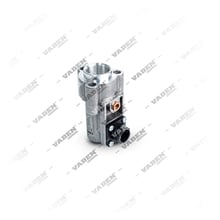
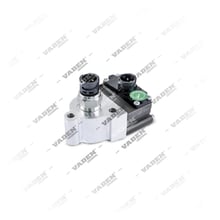
What Is a PTO Valve?
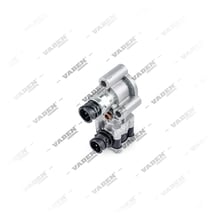
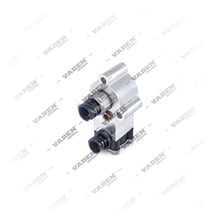
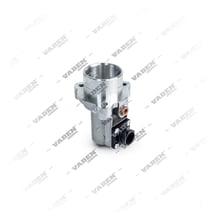
The PTO valve is the pneumatic control valve on heavy commercial vehicle transmissions that engages and disengages the Power Take-Off (PTO). Based on the electrical signal sent from the PTO switch inside the cab, it directs pressurized air from the air reservoir to the PTO clutch cylinder, or vents it completely to disengage. This lets superstructure equipment — a crane, tipper hydraulic pump, fire pump, concrete mixer drum, or sweeper brush — be triggered safely from the driver's cab, independent of engine power. In the field it's sometimes also called a "PTO solenoid valve" or "power take-off valve." Mounted directly on the transmission housing, this valve is the heart of the hydraulic or pneumatic circuit that governs engagement of the PTO gear set.
How Does a PTO Valve Work?
The PTO valve is an electro-pneumatic switch that converts an electrical command from the driver's cab into a mechanical air-flow action. When the switch is turned on, the solenoid coil inside the valve energizes, shifting the internal spool and opening reservoir air to the PTO clutch cylinder or to the control piston on the transmission's side cover. Pressurized air shifts the gear set, engaging the PTO output with the transmission's intermediate shaft, and power transfer begins. When the switch is turned off, the valve works in reverse, rapidly exhausting air from the cylinder and returning the PTO gear to neutral. In most systems, a safety interlock logic — ensuring engagement only occurs while the vehicle is stationary or the clutch pedal is depressed — is also built into the valve's operating logic; this prevents gear damage and sudden power transfer.
PTO Valve Technical Specifications
PTO valves are typically manufactured as pneumatic valve bodies with 24V DC solenoid coils, in single-acting or double-acting (3/2 or 5/2 type) configurations. Operating pressure is generally in the 6-10 bar range to match the vehicle's brake system air circuit; the exact value should be confirmed against the vehicle's own technical documentation. The housing material is mostly corrosion-resistant aluminum alloy or reinforced polymer, while internal seals and o-rings are made from synthetic rubber designed to withstand continuous exposure to air and moisture. Port sizes and thread standards vary by vehicle model, so a comparative dimensional check against the original valve is essential before installation. The electrical connection is made via a single-pin or multi-pin connector, and it must match the vehicle's wiring harness directly.
Types and Subgroups of PTO Valves
- Solenoid Control Valve: The most common type of PTO engagement valve, operated by an electrical signal from the cab switch.
- Manually Operated Pneumatic Valve: Directs air flow directly via a mechanical lever or button, with no dependence on electrical power.
- Interlock (Safety-Locked) PTO Valve: Prevents engagement until vehicle speed, clutch position, or neutral gear signal is confirmed.
- Dual Air Outlet Valve: Simultaneously feeds both the clutch cylinder and a secondary actuator (such as a hydraulic pump clutch).
- Type with Integrated Quick-Exhaust Valve: Shortens air venting time when the PTO is switched off, reducing gear wear.
- Connector and Wiring Harness Sets: Original sockets and wiring harnesses that connect the valve to the vehicle's electrical system.
How to Choose the Right PTO Valve
Choosing the right PTO valve starts with identifying the transmission brand and model, followed by whether the PTO output is triggered pneumatically or electro-pneumatically. The table below summarizes the key criteria to consider during selection.
PTO Valve Selection and Compatibility Criteria| Criterion | What to Check |
|---|
| Transmission Type | ZF, Eaton, Mercedes-Benz, MAN, Scania, Volvo, DAF, and Iveco manual or automated transmissions use different valve bodies |
| Control Type | Whether it's a solenoid electro-pneumatic control or a manual mechanical control |
| Operating Voltage | 24V DC in most heavy commercial vehicles; some special superstructures may differ |
| Port Count and Diameter | 3/2 or 5/2 valve type — inlet/outlet port sizes must match the original exactly |
| Interlock Function | A compatible valve should be chosen for systems with vehicle-speed or clutch safety interlocks |
| Connector Type | Socket and pin layout that matches the vehicle's wiring harness directly |
PTO Valve Maintenance and What to Watch For
- Check Air Quality: Moist or contaminated air causes premature wear of the moving parts inside the solenoid; don't neglect dryer and filter maintenance.
- Inspect the Electrical Connection Periodically: Connector oxidation and wiring wear can cause the valve to respond intermittently.
- Verify Sealing During Installation: After fitting a new valve, an air leak test should be performed, and the seal replaced if necessary.
- Don't Disturb the Interlock Setting: On systems with an active safety interlock, a function test must always be performed after replacing the valve.
- Use Parts in the Original Dimensions: A mismatched port diameter or the wrong pressure class can cause permanent damage to the PTO gear set.
Common Faults and Solutions
- PTO Won't Engage: A solenoid coil fault or a broken wire is the likely cause; check the connector and replace the valve if necessary.
- PTO Engages Late or Slowly: An air leak or a blocked quick-exhaust port; clean or replace the air line and the valve's internal channels.
- PTO Disengages on Its Own: A weak electrical connection or a worn internal spool; tighten the wiring connection, test the valve, and renew it if necessary.
- Continuous Air Leak Noise: A worn o-ring or a cracked housing; renew the seals, or replace the valve entirely if the housing is damaged.
- Interlock Safety Doesn't Engage: A speed sensor signal or clutch switch mismatch; verify the system wiring and sensor connections.
Why VADEN ORIGINAL?
VADEN ORIGINAL PTO valves are manufactured to OE dimensions and are directly compatible with original pneumatic circuits sourced from Wabco and Knorr-Bremse. Thanks to an extensive OEM cross-reference structure, they're used with confidence in Mercedes-Benz, MAN, Scania, Volvo, DAF, Iveco, and Renault Trucks transmissions. Durable housing material and sealing quality deliver long-lasting, consistent engagement performance in the field. VADEN ORIGINAL parts are exported to more than 100 countries and are backed by a quality assurance tested under heavy-duty operating conditions.
Conclusion
The PTO valve is a critical pneumatic component that ensures superstructure equipment is engaged safely and under control. Choosing the right type and an original-dimension valve protects the transmission gear set while boosting operational safety. With VADEN ORIGINAL PTO valves, you can keep your vehicle's power take-off system durable and reliable.
Frequently Asked Questions (FAQ)
What does a PTO valve do?
The PTO valve directs pressurized air from the reservoir to the PTO clutch cylinder based on the signal from the cab switch, engaging the power take-off. When the switch is turned off, it rapidly vents the air and returns the PTO gear to neutral.
What happens if the PTO valve fails?
A faulty PTO valve causes problems such as the PTO not engaging at all, responding late, or disengaging on its own. This prevents superstructure equipment like cranes, tippers, or hydraulic pumps from operating, and requires immediate inspection.
Which vehicles is the PTO valve compatible with?
VADEN ORIGINAL PTO valves are compatible with the Wabco- and Knorr-Bremse-sourced pneumatic PTO circuits found in Mercedes-Benz, MAN, Scania, Volvo, DAF, and Iveco heavy commercial vehicles. Verifying the transmission brand and model before ordering is recommended.
What should be checked when replacing a PTO valve?
After installing the new valve, an air leak test should be performed, the connector connection verified, and the interlock safety function tested if present. The port diameter and pressure class must match the original part exactly.
Are the PTO valve and the PTO clutch the same thing?
No. The PTO valve is the pneumatic control element that triggers engagement; the PTO clutch is the mechanical/hydraulic component that actually shifts the gear set inside the transmission. The valve produces the air signal needed for the clutch to engage.
Related products — Gearbox: PTO (view all)