What is the Pressure Booster Repair Kit?
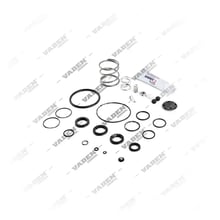
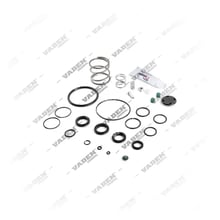
This kit is an economical solution that renews the internal sealing and wear components of the pressure booster, allowing the unit to be overhauled without a complete replacement. The booster's main housing and piston generally remain sound, and most failures stem from seal and gasket wear; overhauling with a repair kit therefore offers a significant cost advantage over a full unit replacement. In the Vaden catalog, this category offers repair kit variants for different pressure booster models, matched to OEM references.
What are the functions of the Pressure Booster Repair Kit?
- Sealing renewal: refreshes the seals and o-rings that provide hydraulic/pneumatic sealing between the piston and housing.
- Pressure loss elimination: removes internal pressure leaks caused by worn gaskets.
- Function restoration: returns the booster's force-amplification performance to its original level.
- Component protection: prevents additional damage to the housing and piston surfaces caused by worn seals.
- Economical overhaul: offers a low-cost renewal option instead of a complete unit replacement.
What are the symptoms of Pressure Booster Repair Kit-related failure?
When internal seals wear, the most typical symptom is the expected force increase not occurring when the clutch pedal is pressed, resulting in a stiffer pedal or delayed clutch engagement. When sealing is lost, hydraulic fluid leakage or a hissing air leak sound may be noticed around the booster housing. As pressure loss increases, the clutch can no longer fully engage or disengage, causing difficulty during gear shifts and accelerated wear of the clutch disc. A leak that goes unnoticed for a long time can cause the booster to lose function completely, leaving the clutch pedal too stiff to use. In some cases, since the clutch cannot fully disengage, a grinding noise from the transmission may also be heard during gear shifts, indirectly placing extra load on the transmission components.
How is the Pressure Booster Repair Kit inspected?
Inspection starts by checking for hydraulic fluid traces or wetness around the booster housing. With the engine running, listen for an air leak sound around the booster; a soap-water test can more precisely locate the leak point. Assess whether the booster engages when the clutch pedal is pressed and whether a noticeable reduction in pedal effort is felt. Once the unit is disassembled, the piston surface, seal grooves, and o-ring seating channels should be examined for wear, scratches, or deformation.
What should be considered during replacement?
Before disassembly, hydraulic/pneumatic lines should be drained and connection points marked, as mixed-up connections can cause installation errors. The piston and housing inner surfaces should be cleaned and checked for wear; if damaged, the repair kit alone will not resolve the problem. Before installing new seals and o-rings, lightly lubricate them with the oil or grease type specified by the manufacturer, which reduces the risk of cutting during installation. After assembly, the system must be bled and all hydraulic/pneumatic connections leak-tested.
How to choose the right Pressure Booster Repair Kit?
Selection should be based on the exact booster model and OE reference number, with the seal and gasket dimensions in the kit matching the original part exactly.
Pressure Booster Repair Kit selection criteria| Criterion | Description |
|---|
| Booster model | The model specified in the vehicle's current OE service manual is authoritative |
| Kit contents | Must fully include all required parts such as seals, o-rings, and gaskets |
| Dimensional match | Inner/outer diameters and cross-sections must exactly match the original part |
| Material durability | Must be an elastomer resistant to hydraulic fluid, pressure, and heat |
| OEM reference | Must be matched to the booster manufacturer's reference number |
Maintenance and service life
Regularly checking the pressure booster's hydraulic fluid level and for leaks allows early detection of the need for a repair kit. Periodically bleeding the system and changing hydraulic fluid at recommended intervals extends seal life. In work environments with heavy dust and dirt exposure, keeping the booster housing exterior clean also helps protect the internal seals. On vehicles parked for long periods, periodically pressing the clutch pedal a few times, where possible, keeps the system in motion so the seals do not dry out and harden.
VADEN Pressure Booster Repair Kit
Vaden offers repair kit variants for different pressure booster models at OE tolerances. For correct sealing and function restoration, the part should be selected according to the booster model.
Frequently Asked Questions (FAQ)
Which is preferable: a repair kit or a complete unit replacement?
If the housing and piston surfaces are sound and the failure is caused only by seal/gasket wear, overhauling with a repair kit is both more economical and sufficient; a complete replacement may be needed if there is surface damage.
Does the repair kit include the piston?
Generally no, standard repair kits contain sealing parts such as seals, o-rings, and gaskets; the piston and main housing are treated as separate parts.
Is a stiff clutch pedal related to a booster failure?
Often yes; when the booster's internal sealing fails, its force-amplification effect decreases and the pedal feels stiffer than expected, in which case an overhaul with a repair kit should be considered.
What check should never be skipped after assembly?
The system must be fully bled and all hydraulic/pneumatic connections must be leak-tested; otherwise, performance issues can persist even after the overhaul.
What happens if a wrong-size repair kit is used?
The seals and o-rings will not seat correctly in their grooves, leading to rapid re-leakage or seal cutting during installation; dimensions must always be verified against the OE reference.