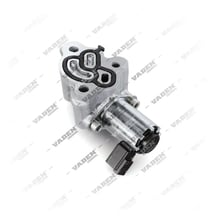
What Is an Oil Pressure Control Valve?
The Oil Pressure Control Valve is a safety and regulation component that keeps oil circuit pressure within a predetermined range in heavy-duty commercial vehicle engines. Pump output varies with engine speed and temperature, so the valve holds this pressure in a stable band and prevents both insufficient and excessive lubrication. In the field, this part is sometimes called an "oil pressure regulator," "oil relief valve," or "oil bypass valve." It sits on the engine block, close to the oil pump outlet or the filter line, and works continuously from startup to shutdown. In truck, tractor unit, bus, and trailer-towing heavy vehicle engines, correct operation of this valve is critical to engine life given the high loads and long duty cycles involved.
How Does an Oil Pressure Control Valve Work?
The Oil Pressure Control Valve works through a spring-loaded piston or ball mechanism inside its body. When pump pressure exceeds the spring force inside the valve, it opens and excess oil is redirected back to the sump or the suction line, keeping circuit pressure fixed within a safe range. When the engine is cold, oil is more viscous and pressure rises, so the valve bypasses this excess to keep the oil channels and filter from being overloaded. As the engine warms up and oil fluidity increases, the valve moves toward closing and most pump pressure is directed to lubrication points such as the crankshaft, camshaft, turbocharger, and hydraulic valve lifters. This balancing function guarantees stable pressure at every speed and temperature condition, and prevents premature wear of internal engine components.
Oil Pressure Control Valve Technical Specifications
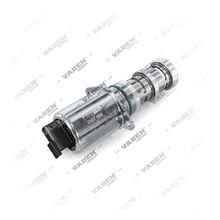
The Oil Pressure Control Valve consists of a compact body that threads into the engine block or oil filter head, an internal spring, and a piston or ball element. Opening pressure varies by engine design, so the valve is built with a specific spring stiffness and opening value for each engine family. Body material is typically steel or a cast alloy resistant to high temperature and oil chemicals, with a gasket or O-ring for sealing. Mounting dimensions, thread type, and opening pressure must match the vehicle's engine code exactly; an incorrect opening pressure results in either insufficient or excessive oil pressure. Use general ranges rather than exact figures for pressure and tolerance values, and treat the vehicle's current service manual as authoritative.
Types and Subcategories of Oil Pressure Control Valves
- Bypass-Type Oil Pressure Valve: Lowers system pressure by directing excess oil straight back to the sump or suction line.
- Filter Bypass Valve: Bypasses the filter and routes oil directly when the filter becomes clogged, so oil flow is never interrupted.
- Thermostatic Oil Control Valve: Responds to oil temperature, diverting excess oil while the engine is cold and returning to normal flow as the engine warms up.
- Main Gallery Pressure Regulator Valve: Keeps pressure in the main oil gallery steady, ensuring balanced distribution to all lubrication points.
- Turbo Lubrication Line Control Valve: Limits oil pressure delivered to the turbocharger unit to protect the turbo bearings.
How to Choose the Right Oil Pressure Control Valve
Choosing the correct Oil Pressure Control Valve starts with the vehicle's engine code and chassis number; even within the same brand, opening pressure and mounting dimensions can vary by engine family. The bore diameter of the valve seat, thread pitch, and gasket size must match the original part exactly, otherwise sealing loss or faulty pressure regulation will follow. The table below summarizes the key selection criteria.
- Verify the Chassis Number: Confirm the engine code and chassis number.
- Check the Seat Dimensions: Compare the thread pitch and diameter of the old valve.
- Renew the Gasket Set: Also source a matching gasket or O-ring set.
Oil Pressure Control Valve Selection Criteria| Criterion | Description |
|---|
| Engine Code Match | The valve must match the vehicle's engine code and variant exactly |
| Opening Pressure | Must open the bypass at the pressure value specified by the manufacturer |
| Mounting Dimensions | Thread type, diameter, and gasket size must fit the original seat precisely |
| Material Quality | Steel/alloy body resistant to high temperature and oil chemicals |
| Spring Characteristics | Spring element with the correct stiffness for the engine design that does not deform |
| Application Area | Heavy-duty commercial vehicle, bus, tractor unit, and trailer-towing engines |
Oil Pressure Control Valve Maintenance and Key Considerations
- Check It at Every Oil Change: Visually inspect the valve seat and gasket at each oil change for signs of contamination or wear.
- Use the Correct Oil Viscosity: Oil outside the manufacturer's recommended viscosity can make the valve behave abnormally.
- Renew the Sealing Elements: Whenever the valve is removed and refitted, replace the gasket or O-ring with a new one; never reuse the old seal.
- Follow the Tightening Torque: Overtightening can crack the valve body, while a loose fit causes leaks; stick to the manufacturer's torque value.
- Fit a Part with the Original Dimensions: A valve with an incorrect opening pressure disrupts lubrication balance and shortens component life.
Common Faults and Solutions
- Low Oil Pressure Warning: A weakened spring or a valve stuck open is the likely cause; inspect the valve and replace it if necessary.
- High Oil Pressure Alarm: A valve stuck closed blocks bypass flow; clean the valve seat and check the moving mechanism.
- Oil Leak from the Valve Seat: A worn gasket or a loose fitting is often the cause; renew the gasket and tighten to the correct torque.
- Pressure Fluctuation on Cold Start: This points to spring fatigue or dirt buildup inside the valve; remove and clean it, replacing it if needed.
- Insufficient Lubrication at the Turbo or Hydraulic Lifters: Faulty regulation by the main gallery valve can be the cause; test the pressure value and inspect the valve.
Why Choose VADEN ORIGINAL?
- Manufactured to OE Dimensions: VADEN ORIGINAL Oil Pressure Control Valves are produced with the opening pressure and mounting dimensions matched to the original engine code.
- Broad OEM Coverage: Offers a wide reference range compatible with Mercedes-Benz, MAN, Scania, Volvo, DAF, Iveco, and Renault Trucks engines.
- Durable Material Selection: Body and spring materials resistant to high temperature and oil chemicals ensure a long service life.
- Exported to More Than 100 Countries: A global distribution network and deep stock coverage mean the valve you need is available quickly.
Conclusion
The Oil Pressure Control Valve is an unseen but critical safety element of the engine lubrication system, continuously keeping pressure balanced and protecting internal engine components from premature wear. Choosing a valve manufactured to OE dimensions that matches the correct engine code, and never skipping its inspection during scheduled oil maintenance, forms the foundation of a long-lasting and reliable engine. The VADEN ORIGINAL product range meets this need at OEM quality for heavy-duty commercial vehicle fleets.
Frequently Asked Questions (FAQ)
What does an Oil Pressure Control Valve do?
The Oil Pressure Control Valve keeps the pressure generated by the engine oil pump within predetermined limits. It bypasses excess pressure to protect the oil channels and filter, and ensures sufficient flow reaches the lubrication points when pressure is low.
What happens when an Oil Pressure Control Valve fails?
A faulty valve can trigger low or high oil pressure warnings, an alarm light on the dashboard, and insufficient supply at engine lubrication points. This raises the risk of premature wear on critical components such as the crankshaft, camshaft, and turbo bearings.
How often should the Oil Pressure Control Valve be checked?
The valve should be visually inspected at every scheduled oil change. If a leak, contamination, or fluctuation in the pressure gauge is noticed, the valve should be removed for testing and replaced if necessary.
What happens if a valve with the wrong opening pressure is fitted?
A valve that does not match the engine code causes faulty pressure regulation in the system, leading to either insufficient lubrication or unnecessary load on the oil line. For this reason, valve selection must always be based on the vehicle's engine code and chassis number.
Which vehicles are VADEN ORIGINAL Oil Pressure Control Valves compatible with?
VADEN ORIGINAL valves offer a wide OEM coverage range compatible with Mercedes-Benz, MAN, Scania, Volvo, DAF, Iveco, and Renault Trucks heavy commercial vehicle engines. Engine code and chassis number should be verified for exact compatibility.