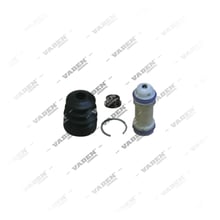
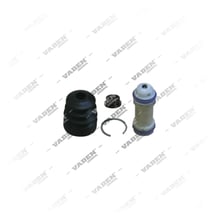
What Is a Clutch Master Cylinder Repair Kit?
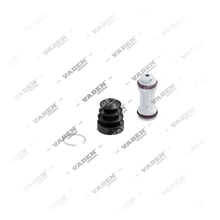
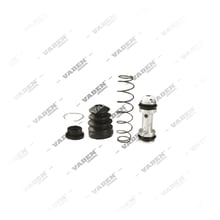
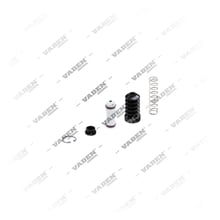
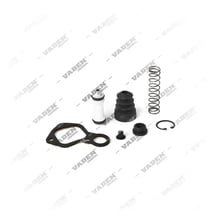
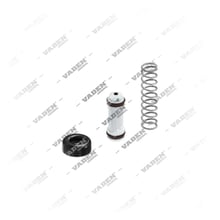
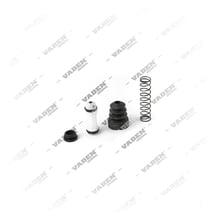
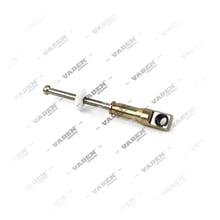
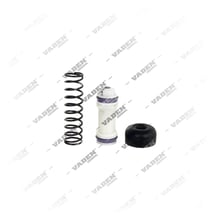
The clutch master cylinder repair kit renews the worn sealing and moving parts of the clutch master cylinder in a heavy commercial vehicle's hydraulic clutch circuit - the unit that turns pedal movement into hydraulic pressure. It typically consists of a piston, cups (seals), O-rings, a return spring, a pushrod, a dust boot, and a circlip. In the field this group is also called a rebuild kit or master cylinder seal kit.
Most leaks in the circuit come not from the housing but from aging seals, so fitting a repair kit instead of replacing the whole unit is usually more economical. Part of the Master Cylinder subgroup of the Clutch category, these kits directly affect pedal feel and gear-shift quality. Compatible with the hydraulic clutch control systems of Mercedes-Benz, MAN, Scania, Volvo, DAF, Iveco, Renault Trucks, BMC, and Ford, VADEN ORIGINAL clutch master cylinder repair kits are made to original dimensions and material specification.
How Does a Clutch Master Cylinder Repair Kit Work?
When the driver presses the pedal, the lever pushes the pushrod forward, driving the piston through the bore. The primary cup closes the supply port, trapping fluid and pressurizing the line. That pressure travels to the slave cylinder and becomes the mechanical force that disengages the clutch, while the cup lips seal against the bore wall.
When the pedal is released, the spring pushes the piston back, the supply port reopens, and fluid from the reservoir refills the cylinder. The secondary cup and dust boot stop fluid creeping toward the pedal side and keep out dust and moisture. Once the cup lips harden, pressure bypasses the piston, the pedal turns soft, and gears become hard to engage. The repair kit renews this whole sealing chain and restores the circuit's pressure characteristics.
Clutch Master Cylinder Repair Kit Technical Specifications
Kit performance is governed by the elastomer compound, piston surface finish, and dimensional fit. The criteria below are decisive when selecting a kit; for installation values, the manufacturer's service manual is authoritative.
- Elastomer Material: Cups and O-rings resist DOT-class glycol-ether fluids; mineral-oil systems need different rubber.
- Cylinder Bore Compatibility: Bore classes generally run 19-25 mm; cup outer diameter must match exactly.
- Piston and Pushrod Surface: Machined to a hardness and finish that will not score the bore wall.
- Temperature Stability: The elastomer must stay flexible in the cold and hold shape in the heat.
- Connection Geometry: Reservoir fitting, outlet thread, and flange bolt spacing vary by control layout.
Types and Subgroups of the Clutch Master Cylinder Repair Kit
- Complete Overhaul Kit: Piston, cups, spring, circlip, and boot; most comprehensive when the housing is sound.
- Sealing Kit: Cups, O-rings, and seals only; for units with a flawless piston surface.
- Piston and Cup Assembly: An intermediate kit that also renews a lightly worn piston.
- Boot and Dust Protection Kit: Outer boot and retainers; replaced separately under heavy contamination.
- Fitting and Connection Components: Reservoir fitting, washer, and pipe connections; for leaks outside the housing.
- Pushrod and Bushing Components: Pushrod, clip, and bushings; for growing pedal free play.
How to Choose the Right Clutch Master Cylinder Repair Kit
The most reliable route is the OE number on the housing. If it cannot be read, match by measuring the cylinder bore, housing type, flange bolt spacing, and reservoir feed style, and confirm the fluid type. The table below summarizes the right kit for common field conditions.
Repair kit selection table by clutch master cylinder condition| Condition detected | Suitable kit type | Criterion to check |
|---|
| Wetness under the pedal, housing dry | Sealing kit | Secondary cup and boot |
| Pedal turns soft, clutch will not disengage | Complete overhaul kit | Primary cup and bore |
| Scratches or dullness on piston surface | Piston and cup assembly | Piston diameter and finish |
| Dripping at the base of the fitting | Fitting and connection components | Washer size and thread type |
| Boot torn, dust and moisture have entered | Boot and dust protection kit | Boot length and pin diameter |
| Excessive free play at the pedal | Pushrod and bushing components | Pushrod length, pedal adjustment |
| Deep corrosion in the bore | Repair kit insufficient, complete unit needed | Inner surface integrity |
Clutch Master Cylinder Repair Kit Maintenance and What to Watch For
- Drain the Circuit First: Fluid damages paint; drain the line and cap the openings before disassembly.
- Inspect the Cylinder Bore: Scratches or corrosion inside will make new cups leak quickly; replace the unit complete instead.
- Use the Correct Lubricant: Wet the cups with clean fluid before fitting; grease or engine oil swells the elastomer.
- Fit the Cups the Right Way Round: The lip must face the pressure side; a reversed cup leaks on the first stroke.
- Seat the Circlip Fully: A loose circlip lets the piston pop out under pressure.
- Bleed the Air Out Completely: Trapped air softens the pedal even with a sound kit; bleed until no bubbles appear.
- Take Torque Values from the Manual: Flange and fitting torques vary by model; the manufacturer's current service manual is authoritative.
Common Faults and Their Solutions
- Pedal Goes to the Floor: Internal leak past the primary cup or trapped air; renew the kit and bleed the circuit.
- Pedal Returns Slowly: A fatigued spring or sticking piston; replace both and clean the bore.
- Wetness Under the Pedal: The secondary cup and boot are letting fluid through; fit the sealing kit and clean the mechanism.
- Fluid Level Drops, No External Leak: Internal circuit leak or a slave cylinder fault; overhaul the master cylinder and check the slave cylinder too.
- Difficulty Shifting Gears: Insufficient stroke keeps the clutch from disengaging fully; check pedal adjustment and pushrod length.
- New Kit Leaks Quickly: Wrong fluid type or a scratched bore; verify the fluid and, if needed, replace the unit complete.
Why VADEN ORIGINAL?
- OE Dimensions: Cup, O-ring, and piston components are machined to original dimensions and tolerances.
- Tested Elastomer: Sealing elements are tested for fluid resistance and temperature stability.
- Broad OEM Cross-Reference: The right kit is matched quickly across Mercedes-Benz, MAN, Scania, Volvo, DAF, and Iveco applications.
- Comprehensive Range: From sealing kits to complete overhaul kits, every field scenario is covered.
- Exported to 100+ Countries: A stock-ready structure keeps workshop downtime short.
Conclusion
The clutch master cylinder repair kit economically renews the first pressure-generating link in the hydraulic clutch circuit, and once correctly diagnosed offers a real alternative to a complete unit swap. Choosing the right kit means verifying the cylinder bore, connection geometry, and fluid type, and always inspecting the bore first. With VADEN ORIGINAL kits, pedal feel, gear-shift quality, and circuit sealing stay solid for the long haul.
Frequently Asked Questions (FAQ)
What parts does a clutch master cylinder repair kit include?
A standard clutch master cylinder repair kit includes a piston, primary and secondary cups, O-rings, a return spring, a circlip, and a dust boot. Kit contents vary by product type, and seal kits covering only the sealing elements are also available. Before ordering, verify the contents against the master cylinder's OE number.
Is it better to repair the clutch master cylinder with a kit or replace it complete?
If the cylinder's inner bore is free of scratches and corrosion, a repair kit is an economical and lasting fix. If the bore shows a ridge, deep scratches, or rust, new cups will leak within a short time and the unit must be replaced complete. The decision should be made after removing the cylinder and inspecting the inner surface.
What symptoms indicate a faulty clutch master cylinder?
A soft pedal or one that goes to the floor, the clutch failing to fully disengage, difficulty shifting gears, and hydraulic wetness under the pedal are the most common symptoms. A dropping fluid level with no external leak also points to an internal circuit leak. In these cases, the slave cylinder should be checked as well.
Is bleeding required after fitting the repair kit?
Yes, opening the circuit lets air into the hydraulic line, and correct pedal feel cannot be achieved without bleeding. Bleed at the slave cylinder's bleed screw until fluid runs out free of bubbles. Make sure the reservoir fluid level does not drop below the minimum while you do this.
Which hydraulic fluid should be used in the clutch master cylinder repair kit?
Use whatever fluid the system was designed for; heavy commercial vehicles most often run DOT-class glycol-ether-based fluids. Systems that run on mineral oil need a different elastomer compound, so the two kit types cannot be substituted for one another. For the correct fluid type, the vehicle manufacturer's current service manual is authoritative.