What Is an Intake Manifold Pipe?
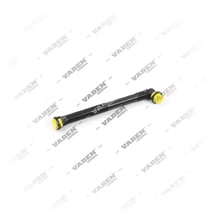
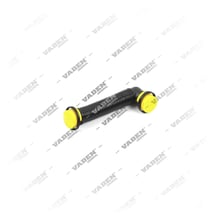
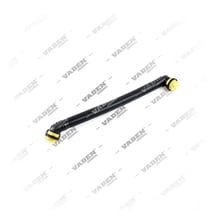
The intake manifold pipe is the rigid or semi-flexible air ducting component in heavy commercial vehicles that carries air from the turbo or intercooler outlet to the intake manifold. In the field it is sometimes called a "turbo pipe" or "air inlet pipe," though the VADEN catalog classifies it under the intake manifold system. Positioned in the Engine > Intake Manifold > Pipe chain, this part neither compresses air nor generates pressure; its job is to route air pressurized by the turbo, or cooled in the intercooler, to the cylinders without loss. It is typically manufactured from aluminum, steel, or reinforced composite material, and completes the line between the turbo, intercooler, and manifold through clamped connection ends. When the pipe is damaged or cracked, the entire system suffers from an air leak, making it a critical connecting element for engine performance and fuel efficiency.
How Does an Intake Manifold Pipe Work?
While the engine is running, the turbo compresses the air it draws in from the atmosphere, turning it into high-pressure air. This pressurized air is transferred through the intake manifold pipe first to the intercooler, then to the intake manifold. Even a small crack or a loose clamp causes pressure loss, driving up turbo speed and triggering fault codes in the engine control unit.
- Pressure and Flow Transfer: Carries the pressurized air produced by the turbo to the intercooler and manifold without loss.
- Turbulence Reduction: Its smooth interior surface reduces turbulence in the airflow, improving volumetric efficiency.
- Seal Protection: Together with clamps and gaskets, it prevents air leaks at the connection points.
- Even Distribution: Helps ensure a balanced amount of air reaches every cylinder of the engine.
Intake Manifold Pipe Technical Specifications
The intake manifold pipe is engineered to withstand the pressure and temperature of the system it operates in. Material selection varies: sections near the turbo outlet typically use heat-resistant steel or aluminum, while sections downstream of the intercooler may use lighter composite or reinforced silicone. Diameter and length are set by engine displacement and turbo capacity, so any deviation from the original dimensions can increase airflow resistance and cause performance loss. Rather than exact figures, general ranges should guide pressure and torque decisions, with the vehicle's current service manual as the reference for clamp torque and operating pressure. The O-ring or gasket material at the connection ends is oil- and heat-resistant synthetic rubber.
Intake Manifold Pipe Technical Summary Table| Feature | Description |
|---|
| Location | Between the turbo outlet, intercooler, and intake manifold |
| Main Material | Aluminum, steel, or reinforced composite/silicone |
| Connection Type | Clamped, sealed with O-rings or gaskets |
| Function | Loss-free transfer of pressurized air |
| Vehicle Compatibility | Mercedes-Benz, MAN, Scania, Volvo, DAF, Iveco, Renault Trucks |
| Critical Risk | Pressure loss from cracks or loose clamps |
Types and Subgroups of Intake Manifold Pipes
- Turbo Outlet Pipe: A heat-resistant segment that carries the hot, pressurized air leaving the turbo to the intercooler.
- Intercooler Inlet/Outlet Pipe: The section that carries cooled air between the intercooler and the intake manifold.
- Manifold Connection Pipe: The final segment that connects directly to the intake manifold and distributes air to the cylinders.
- Flexible Bellows Pipes: Types that include a rubber or silicone bellows section to absorb engine vibration.
- Rigid Metal Pipes: Durable segments with a fixed geometry, typically manufactured from aluminum or steel.
- Clamp and Connection Sets: The sealing elements that secure the pipe ends to the turbo, intercooler, or manifold.
How to Choose the Right Intake Manifold Pipe
Choosing the correct intake manifold pipe starts with verifying the vehicle's engine code, chassis number, and turbo model, since engine variants within the same brand can use different pipe geometries. The pipe diameter and connection angle must match the original part exactly, or stress builds up during installation and the risk of cracking increases over time. Material selection should account for the temperature at the pipe's location, with heat-resistant material preferred near the turbo outlet. Comparing the VADEN ORIGINAL catalog number or OEM reference code before ordering avoids incorrect installation and unnecessary returns.
Intake Manifold Pipe Maintenance and What to Watch For
- Check Clamps Periodically: Clamps that loosen due to vibration cause air leaks, so tightness should be checked during periodic maintenance.
- Inspect the Pipe Surface for Cracks: Heat-induced micro-cracks can form, especially in areas close to the turbo outlet.
- Track Gasket and O-ring Lifespan: Hardened or cracked gaskets compromise sealing and should be renewed together with the pipe.
- Avoid Stress During Installation: The pipe should be fitted in correct alignment between the turbo and manifold without being forced.
- Stick to Original Dimensions and Material: Using a pipe with a different diameter or material can reduce airflow efficiency.
Common Faults and Their Solutions
- Power Loss and Sluggish Acceleration: A cracked pipe or loose clamp causing pressure loss is a likely cause; check clamp tightness and replace any cracked pipe.
- Change in Exhaust Smoke Color: An air leak may disrupt the combustion mixture; inspect all connection points on the pipe for sealing integrity.
- Increased Turbo Whine or Whistling Sound: A leak sound may come from a punctured or cracked pipe wall; inspect the pipe visually and by hand, and replace it if needed.
- Fault Code and Turbo Pressure Warning: The engine control unit warns when it detects low intake pressure; locate the leak point with a system pressure test.
- Increased Fuel Consumption: The engine may burn more fuel to compensate for the air loss; pipe and clamp integrity is the first thing to check.
Why VADEN ORIGINAL?
- Manufactured to OE Dimensions: Products are manufactured to original dimensions and geometry, so no stress occurs during installation.
- Broad OEM Coverage: Compatible with Mercedes-Benz, MAN, Scania, Volvo, DAF, Iveco, and Renault Trucks reference numbers.
- Heat and Pressure Resistance: Materials are tested against the high temperature and pressure found at the turbo outlet.
- Long Sealing Life: Quality materials and manufacturing tolerances reduce the risk of air leaks after installation.
- Extensive Export Network: VADEN ORIGINAL parts are exported to more than 100 countries and are preferred by fleets and independent workshops.
Conclusion
Although it looks like a small part, the intake manifold pipe is a critical link in the engine's air supply chain. A pipe chosen with the right material, dimensions, and connecting elements preserves turbo system efficiency and keeps engine performance steady. VADEN ORIGINAL quality intake manifold pipes offer a reliable, long-lasting solution for heavy commercial vehicle fleets.
Frequently Asked Questions (FAQ)
What does an intake manifold pipe do?
The intake manifold pipe carries pressurized air from the turbo or intercooler outlet to the intake manifold. This ensures a steady, loss-free air supply to the engine's cylinders and preserves combustion efficiency.
How can I tell if the intake manifold pipe is cracked?
Power loss, a whistling sound, a change in exhaust smoke color, and a turbo pressure fault code are the most common symptoms. A visual inspection of the pipe combined with checking clamp tightness can help locate the leak.
What should be checked when replacing an intake manifold pipe?
The pipe's diameter, connection angle, and material must match the original part exactly. Renewing the clamp and gasket sets together with the pipe ensures the seal lasts longer.
Which vehicles is the VADEN ORIGINAL intake manifold pipe compatible with?
VADEN ORIGINAL intake manifold pipe products are compatible with heavy commercial vehicle brands such as Mercedes-Benz, MAN, Scania, Volvo, DAF, Iveco, and Renault Trucks through broad OEM reference matching. Verifying the engine code and chassis number before ordering is recommended.
Does a leak in the intake manifold pipe affect fuel consumption?
Yes, an air leak disrupts the engine's target air-fuel ratio, and the engine may consume more fuel to compensate for this imbalance. Regularly checking clamp and pipe integrity prevents this kind of efficiency loss.