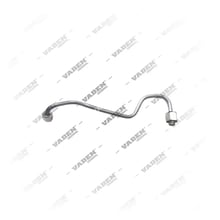
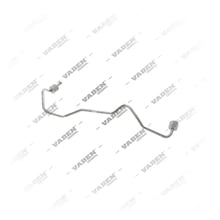
What Is an Injection Pump Pipe?
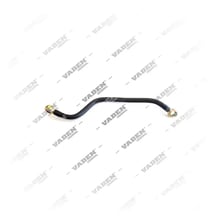
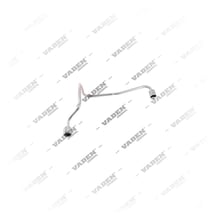
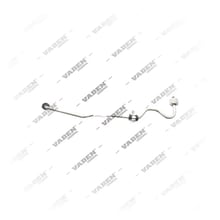
An injection pump pipe is a rigid metal line in the diesel fuel system that carries high-pressure fuel from the injection pump to the injectors or to the common rail line. In the field it is also known as the "high-pressure fuel pipe," the "pump-to-injector line," or the "delivery pipe." It is manufactured from a durable steel alloy and shaped to withstand extremely high pressure pulses on every cycle. Because heavy commercial vehicles subject it to engine vibration, temperature swings, and repeated pressure fluctuations, wall thickness and bend geometry are critical during production. The Injection Pump Pipe is an integral connecting component for smooth, on-time fuel delivery, and any failure in it directly affects engine performance.
How Does an Injection Pump Pipe Work?
- Pressure Generation: The injection pump compresses fuel to a specific timing and pressure under mechanical or electronic control.
- Pressurized Fuel Delivery: The compressed fuel is carried through the Injection Pump Pipe to the relevant injector or to the common rail line.
- Sealing: The tapered connections at both ends of the pipe form a leak-tight joint through mechanical compression alone, with no gasket needed.
- Timing Precision: The pipe's length and internal diameter are calculated so that every cylinder receives an equal amount of fuel at the same moment.
- Vibration Tolerance: The pipe's geometry is designed to dampen the vibration and pressure pulsations that occur while the engine is running.
Injection Pump Pipe Technical Specifications
The Injection Pump Pipe is typically produced from high-strength steel tube by cold forming, with the inner surface machined to resist impact fatigue. Wall thickness and outer diameter vary with operating pressure; because these dimensions can differ depending on the vehicle's engine code and pump type, they should be verified against the vehicle manufacturer's current service manual or the OEM part number before ordering. The taper angle and nut thread standard at the connection ends must fully match the mating components on the pump and injector side, otherwise a leak-tight seal cannot be achieved. Pipe bends are shaped to factory dimensions so they absorb engine-bay vibration and stay clear of neighboring components.
Injection Pump Pipe Types and Subgroups
- Single High-Pressure Pipe: In in-line pump systems, this is an independent pipe running from the pump to a single injector, with a separate line for each cylinder.
- Common Rail Supply Pipe: The main line running from the high-pressure pump to the common fuel rail, feeding the entire system.
- Rail-to-Injector Connecting Pipe: Short, fixed-dimension pipes running from the rail to each individual injector in a common rail system.
- Return (Leak-Off) Pipe: Low-pressure lines that route excess fuel from the injectors and the pump back to the fuel tank.
- Connection Nut and Nipple Set: The elements that secure the pipe to the pump and injector side and provide sealing through the tapered seating surface.
- Clamp and Retaining Kit: Retaining parts that stop the pipes from oscillating under engine vibration and rubbing against neighboring components.
How to Choose the Right Injection Pump Pipe?
Choosing the right Injection Pump Pipe should be based on the vehicle's engine code, pump type (in-line pump, distributor pump, or common rail high-pressure pump), and cylinder position. Pipe length, diameter, connection taper angle, and nut size must match the original part exactly; a different dimension causes problems for both installation and pressure distribution. The table below summarizes the key criteria to check during selection.
Injection Pump Pipe Selection Criteria| Criterion | What to Check |
|---|
| Pipe Length and Diameter | Must match the original dimension exactly; can vary by cylinder position |
| Connection Taper Angle | Must fully match the seating surface on the pump and injector side |
| Nut and Thread Standard | Metric thread size and wrench size must match the vehicle's original part |
| Pump / System Type | Must be built specifically for an in-line pump, distributor pump, or common rail system |
| Material and Wall Thickness | Must carry a steel grade and wall thickness suited to the operating pressure |
| Bend Geometry | Must match factory dimensions so it does not contact neighboring parts in the engine bay |
Injection Pump Pipe Maintenance and Points to Consider
- Follow the Tightening Torque: Tighten the connection nuts to the torque value specified by the vehicle manufacturer; over-tightening can deform the taper surface, while under-tightening leads to leaks.
- Carry Out Visual Inspection: During periodic maintenance, check the pipe surface for cracks, wear, chafing marks, or discoloration.
- Check Vibration Sources: Make sure the clamps and retaining elements are secure; a loose clamp can cause fatigue cracking in the pipe.
- Be Careful When Removing: Avoid bending the pipe excessively during removal, as permanent deformation can occur at the tapered ends.
- Keep the Work Area Clean: Prevent dust and dirt from entering when connections are opened; even the smallest particle getting into the fuel system can damage the injectors.
Common Faults and Solutions
- Fuel Leak or Smell in the Engine Bay: Usually caused by a loose connection nut or deformation of the taper surface; tighten the nut to the correct torque and replace a deformed pipe.
- Power Loss or Rough Running: A micro-crack or internal blockage in the pipe can cause pressure loss; check whether the pipe holds pressure and replace it if necessary.
- Hard Starting or Extended Cranking: An air leak or loss of sealing delays pressure build-up in the system; check the connection points and the pipe's integrity.
- Visible Crack or Breakage in the Pipe: Caused by metal fatigue, vibration, or incorrect installation; a cracked pipe must never be repaired and should be replaced with a new one of the original dimension.
- Abnormal Engine Noise (Ticking): A loose clamp or a pipe touching neighboring parts can produce a vibration noise; check the retaining elements and renew them if necessary.
Why VADEN ORIGINAL?
- Manufactured to OE Dimensions: Produced faithfully to the original bend geometry and connection taper tolerances.
- Extensive OEM Coverage: Fits a wide range of vehicles, chiefly Mercedes-Benz, MAN, Scania, Volvo, DAF, Iveco, and Renault Trucks.
- Tested Sealing Performance: Offers pressure-verified parts for vehicles using Bendix, Wabco, and Knorr-Bremse based fuel systems.
- International Quality: A manufacturing base exporting to more than 100 countries provides reliable supply for fleet owners and workshops.
Conclusion
The Injection Pump Pipe is a critical connecting component that lets pressurized fuel travel safely from the pump to the injector in the diesel fuel system. A pipe selected with the correct dimension, the correct material, and correct installation directly supports engine performance and the long service life of the fuel system. Securing this connection with VADEN ORIGINAL quality parts lowers the risk of failure and reduces maintenance costs.
Frequently Asked Questions (FAQ)
What is an injection pump pipe and what does it do?
An injection pump pipe is a rigid steel pipe that carries high-pressure fuel from the diesel injection pump to the injectors or the common rail line. It ensures each cylinder receives the correct amount of fuel on time and keeps the system's fuel pressure intact throughout delivery.
When should an injection pump pipe be replaced?
The pipe should be replaced if there is a visible crack, deformation, a persistent fuel leak, or recurring looseness at the connection point. A cracked or deformed high-pressure pipe cannot be repaired and must be replaced directly with a new one of the original dimension.
Can an injection pump pipe from a different vehicle be used?
No, pipe length, diameter, bend geometry, and connection taper are specific to the engine code and pump type. Using a pipe from a different vehicle causes loss of sealing, pressure imbalance, and installation problems, so always choose a part that matches the vehicle's original dimensions.
What causes leaks in an injection pump pipe?
The most common causes are a connection nut that has not been tightened sufficiently or to the correct torque, deformation of the taper surface, or metal fatigue caused by vibration. Nut tightening torque should be checked, and deformed or cracked pipes should be replaced.
Which vehicles are VADEN ORIGINAL injection pump pipes compatible with?
VADEN ORIGINAL pipes are compatible with Bendix, Wabco, and Knorr-Bremse based fuel systems used in heavy commercial vehicles such as Mercedes-Benz, MAN, Scania, Volvo, DAF, Iveco, and Renault Trucks. To confirm the correct application, check the vehicle manufacturer's current service manual or the OEM part number before ordering.