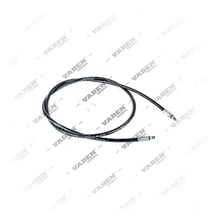
What are the functions of a Hydraulic Clutch Pedal Unit Hose?
This hose ensures pedal motion is transmitted to the hydraulic system without loss.
- Pressure transfer: Carries hydraulic pressure generated at the pedal unit to the slave cylinder.
- Flexibility: Absorbs the movement difference between cabin suspension and the chassis.
- Sealing: Keeps hydraulic fluid contained, preventing pressure loss.
- Vibration damping: Prevents engine and cabin vibrations from damaging the hydraulic line.
- Pedal precision: Healthy line operation gives the driver a predictable pedal feel.
What are the symptoms of a failing Hydraulic Clutch Pedal Unit Hose?
Failure is usually noticed in pedal behavior and hydraulic level.
- Deep or spongy pedal feel: Air or a leak in the hose causes the pedal to be pressed deeper or feel soft.
- Hydraulic fluid leakage: Fluid staining is seen on the cabin floor or around the pedal unit.
- Difficulty shifting gears: Pressure loss can cause incomplete clutch disengagement and difficulty changing gears.
- Swelling or cracking on the hose: Aged rubber can develop bulging or cracks on its surface.
- Slow pedal return: Internal restriction or hose narrowing can prevent the pedal from returning at normal speed.
How is a Hydraulic Clutch Pedal Unit Hose checked?
Inspection starts inside the cabin and continues along the chassis line.
- Visual inspection: Look along the hose for cracks, swelling, wear or fluid traces.
- Connection check: Check the pedal unit and line connection points for looseness or leakage.
- Hydraulic level monitoring: A steady drop in reservoir level indicates a leak.
- Pedal test: Press and release the pedal several times to assess response speed and firmness.
- Bleeding check: If trapped air is suspected, confirm with a bleeding procedure.
What should be considered during replacement?
Correct routing and full bleeding are important during replacement.
- Correct routing: Route the hose exactly as specified by the manufacturer, keeping it clear of sharp edges or moving parts.
- Correct hydraulic fluid: Use the fluid type specified by the vehicle manufacturer.
- Bleeding procedure: Fully purge air from the system after installation, repeating the process until the pedal feels firm.
- Connection torque: Tighten fittings to the manufacturer's specified torque; overtightening can cause damage.
- Pedal unit check: Check the pedal unit's sealing together with the hose.
How to choose the right Hydraulic Clutch Pedal Unit Hose?
Connection type, length and pressure rating should be vehicle-specific. A wrong-length hose can suffer tension or friction, leading to premature failure.
Hydraulic Clutch Pedal Unit Hose selection criteria| Criterion | Description |
|---|
| Connection type | Must exactly match the pedal unit and line connection |
| Length | Must include enough slack to accommodate cabin-to-chassis movement |
| Pressure resistance | Must withstand system operating pressure |
| Material | Must resist hydraulic fluid and vibration |
| Reference verification | Confirm with OEM number and chassis data |
Maintenance and service life
Because the hydraulic clutch pedal unit hose operates in an area with significant cabin suspension movement, periodic visual inspection is important. Keeping hydraulic fluid clean and at the correct level helps protect the hose's inner surface from corrosion. Checking the hose route during cabin tilt hinge and suspension maintenance is recommended. Average service life depends on cabin movement frequency and maintenance discipline; the vehicle's current OE service manual is authoritative for the exact interval.
VADEN Hydraulic Clutch Pedal Unit Hose
VADEN offers hydraulic clutch pedal unit hoses manufactured to OE tolerances for heavy commercial vehicles. Correct material and dimensional accuracy support reliable operation of the clutch system.
Frequently Asked Questions (FAQ)
Is the pedal unit hose the same part as the clutch slave cylinder hose?
No, they are located differently; the pedal unit hose is the starting point of the line on the cabin side, while the hose going to the slave cylinder is the final section on the chassis/bell housing side.
What happens if the hose leak continues?
Hydraulic pressure gradually drops until the clutch disengages incompletely or not at all, which can prevent gear shifting and damage the transmission.
Does the hose need special attention on tilt-cab vehicles?
Yes, on tilt-cab vehicles the hose route must have enough slack to allow cabin tilt movement without pinching.
When does pedal firmness return to normal after replacement?
If bleeding was done fully, the pedal reaches normal firmness after a few presses; if it still feels soft, air may remain in the system.
Does this hose require a special hydraulic fluid?
No, the standard hydraulic fluid specified by the vehicle manufacturer for the clutch/brake system is used; it should not be mixed with different fluid types.