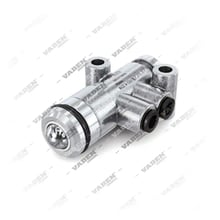
What Is a Transmission Solenoid Valve?
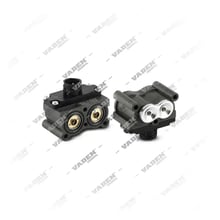
The transmission solenoid valve is the electro-pneumatic or electro-hydraulic control component that manages gear shifts and clutch actuation in the automated manual transmissions (AMT) of heavy commercial vehicles. This valve converts the TCU's signal into physical movement, opening and closing the air or oil flow that drives the shift forks, range/splitter groups and clutch cylinders inside the gearbox. In the field it is also known as the "gear solenoid," "transmission valve coil" or "AMT solenoid unit." This type of solenoid valve assembly is used across transmission systems such as Mercedes-Benz PowerShift, ZF AS Tronic, Volvo I-Shift, Scania Opticruise and MAN TipMatic. When it fails, gear shifting can be disabled or the vehicle can drop into emergency mode.
How Does a Transmission Solenoid Valve Work?
The process begins when the TCU converts the calculated shift command into an electrical signal sent to the solenoid coil. Once energised, the coil's metal pin (armature) moves and opens the air or oil channel in the valve body, directing pressure to the relevant shift-fork cylinder or clutch actuator. This pressure moves the mechanical components inside the transmission, engaging the required gear. In most gearboxes, several solenoids are grouped in a single valve block, each managing a different gear, range or splitter function. When a solenoid is de-energised, spring return force closes the valve, preventing an incorrect gear engagement or pressure leak.
Transmission Solenoid Valve Technical Specifications
Transmission solenoid valves are manufactured as pneumatic (air-operated) or hydraulic (oil-operated) types; both are designed for the supply pressure range specified by the vehicle manufacturer. The coil winding is typically wound for a 24V vehicle electrical system and can also provide staged pressure control via a PWM signal from the TCU. The valve body is made from aluminium alloy or coated steel resistant to high temperature and vibration; seals and o-rings are selected from materials suited to the transmission oil or the system-specific air quality. Compatibility is always determined by transmission model, solenoid position number and connector type; the vehicle manufacturer's current parts catalogue and service manual should be referenced before installation.
Transmission Solenoid Valve Types and Subgroups
Transmission solenoid valves are divided into different groups according to their function. Solenoids dedicated to gear-shift functions:
- Gear Selection Solenoid: Moves the main shift fork inside the transmission so the correct gear pair engages.
- Range Solenoid: Controls the pressure line that manages the switch between the high and low gear group (range).
- Splitter Solenoid: Engages the intermediate (split) gears to create finer gear steps.
Solenoids dedicated to clutch and pressure control are as follows:
- Clutch Actuator Solenoid: Controls the air or oil flow that governs clutch engagement and disengagement.
- Pressure Regulation Solenoid: Gradually adjusts the supply pressure entering the valve block according to actuator demand.
- Solenoid Valve Block (Complete Assembly): Refers to the unit in which several solenoids are combined in a single housing, usually replaced as a complete assembly.
How to Choose the Right Transmission Solenoid Valve
When selecting a solenoid, verify the transmission brand and model, the solenoid's position on the valve block, the connector pin count and the supply type. The table below summarises the key criteria for the selection process.
Transmission Solenoid Valve Selection Criteria| Criterion | Check Point |
|---|
| Transmission Model | Confirm the system type, such as AS Tronic, I-Shift, PowerShift, Opticruise or TipMatic |
| Solenoid Position | Slot number on the valve block (gear, range, splitter or clutch) |
| Supply Type | Pneumatic (air) or hydraulic (oil) working principle |
| Connector and Pin Count | Socket type that matches the vehicle wiring harness exactly |
| Coil Resistance and Voltage | Compliance with the electrical values specified by the vehicle manufacturer |
| Installation Type | Whether a single solenoid or a complete valve block replacement is required |
Transmission Solenoid Valve Maintenance and Key Considerations
- Check Connectors and Wiring Connections: Loose or corroded connectors can cause incorrect gear-shift commands.
- Monitor Air or Oil Quality: Contaminated air or degraded transmission oil can block the delicate channels inside the valve.
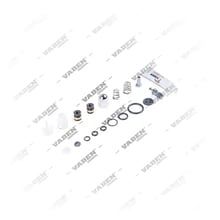
- Renew Seals During Installation: Reusing old o-rings and seals on reassembly causes pressure leaks and premature failure.
- Regularly Scan TCU Fault Codes: Detecting solenoid resistance or circuit faults at an early stage prevents major repairs.
- Follow Tightening Torques: Over- or under-tightening the valve block screws causes housing deformation or leaks; the values in the vehicle manufacturer's current service manual should be used as the reference.
Common Faults and Solutions
- Delayed or Harsh Gear Shifting: Usually caused by a partial fault in the solenoid coil or a blocked valve channel; the solenoid's resistance value should be measured and the unit replaced if necessary.
- Transmission Drops Into Emergency Mode: This indicates the TCU has detected an open or short circuit in the solenoid circuit; the wiring harness and connector integrity should be checked.
- Range or Splitter Shift Not Working: This points to mechanical sticking of the relevant solenoid or a pressure loss; the valve block should be removed and cleaned, and the relevant solenoid replaced if necessary.
- Air or Oil Leak: Caused by worn seals and o-rings; sealing components should be renewed to OEM quality.
- Constant Fault Lamp on the Gear Display: Indicates the solenoid coil resistance has moved outside the manufacturer's tolerance; the fault code should be read to diagnose the relevant solenoid.
Why VADEN ORIGINAL?
- OE-Spec Manufacturing: Transmission solenoid valves are manufactured to match original part tolerances exactly.
- Extensive OEM Coverage: A comprehensive product range compatible with the transmission systems of Mercedes-Benz, MAN, Scania, Volvo, DAF, Iveco and Renault Trucks.
- Verified Electrical and Pressure Values: Every solenoid is manufactured and tested to match the original coil resistance and flow characteristics.
- Exports to More Than 100 Countries: VADEN ORIGINAL parts reach fleet operators worldwide through a trusted supply network.
- Sealing and Durability: Materials resistant to high temperature and vibration are selected to ensure a long service life.
Conclusion
The transmission solenoid valve is a critical control component that governs gear shifts in automated transmission systems, and its failure directly affects vehicle performance. Choosing the correct solenoid, performing regular maintenance and replacing it on time are the most effective ways to preserve driving comfort and transmission life. VADEN ORIGINAL transmission solenoid valve products offer fleet operators a reliable solution backed by OE-quality manufacturing and broad vehicle compatibility.
Frequently Asked Questions (FAQ)
What does a transmission solenoid valve do?
The transmission solenoid valve converts the command from the transmission control unit into physical movement, controlling the air or oil flow that drives the shift forks, range/splitter groups and clutch cylinders. It is the core control component that ensures correct gear shifting in automated manual transmissions.
What are the symptoms of a faulty transmission solenoid valve?
Common symptoms include delayed or harsh gear shifting, the transmission dropping into emergency mode, range or splitter shifts not working, air or oil leaks, and a constant fault lamp on the instrument panel. If any of these symptoms appear, the solenoid and valve block should be inspected.
Is the solenoid valve replaced individually, or as a complete block?
This depends on the transmission model and how the solenoid is mounted on the valve block. Some systems allow individual solenoid replacement, while on others the manufacturer recommends replacing the complete valve block for sealing and reliability reasons; the vehicle service manual should be the reference.
Which vehicles is the transmission solenoid valve compatible with?
VADEN ORIGINAL transmission solenoid valves are manufactured to be compatible with the automated transmission systems of brands such as Mercedes-Benz, MAN, Scania, Volvo, DAF, Iveco and Renault Trucks. The transmission model and solenoid position should be verified before ordering.
Can a faulty solenoid valve cause permanent damage to the transmission?
A faulty solenoid can cause incorrect gear shifting and continuous operation in emergency mode, which over time can create additional wear on other transmission components. Replacing the solenoid promptly once a fault is detected helps preserve the overall service life of the transmission.