What is a door control valve repair kit?
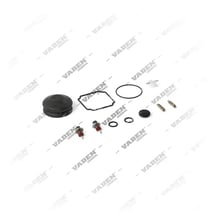
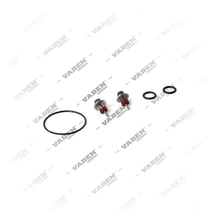
A door control valve repair kit is a repair set that covers all of the internal sealing components governing air flow, excluding the valve's outer body and electronic coil. It typically contains nitrile rubber o-rings, seal rings, a return spring and a body gasket; some manufacturers also include the piston and spool element. The kit must be produced to the same dimensions and hardness values as the original valve, otherwise air-tightness cannot be achieved and door operation becomes erratic.
What are the functions of the door control valve?
The valve converts the door command into pneumatic motion while performing three core functions.
- Direction control: routes compressed air to the door-open or door-close line.
- Speed/soft motion: throttles air flow so the door opens and closes without slamming.
- Safety interlock: works together with systems that disable the door command while the vehicle is moving.
What are the symptoms of a door control valve repair kit failure?
When the sealing elements wear out, a continuous air leak is heard from the valve and the compressor cycles more often. The door opens slower than normal or slams shut, and at some stops it does not respond at all. Oily air mist or foamy leakage seen at the valve body is a sign of o-ring damage. In advanced wear, motion is delayed or stops entirely even though the door command has been given; this should not be operated further before service, for passenger safety reasons.
How is the door control valve checked?
With the ignition on, a door command is given and the valve body is wetted with soapy water to perform a bubble test; a point with continuous bubbling indicates a sealing failure. The compressed air line is monitored with a pressure gauge to measure the pressure drop at the valve outlet; a value below the manufacturer's tolerance points to internal wear. The valve coil should be resistance-tested with a multimeter to separate an electrical fault from a mechanical one, since the symptoms can look similar.
What should be considered during replacement?
Before starting the repair, the air tank must be drained and the system depressurized, otherwise disassembled parts can fly out. When removing the valve body, gasket surfaces must not be scratched; old o-rings should be fully cleaned and the grooves wiped with a non-abrasive solvent. New o-rings should be lightly lubricated with a manufacturer-approved silicone-based grease before fitting, since dry assembly leads to premature wear. After assembly the line should be pressurized gradually and not tested with a sudden pressure spike.
How to choose a door control valve repair kit?
Compatibility should be verified against the manufacturer code stamped on the valve and the vehicle chassis number; visually similar kits may have different o-ring diameters. The o-ring material's temperature and oil resistance must fall within the stated range; low-quality nitrile compounds harden and crack within a short time.
Door control valve repair kit - general reference values| Parameter | Typical range |
|---|
| Operating pressure | 6-9 bar (the vehicle manufacturer's current service manual is authoritative) |
| O-ring material | NBR (nitrile rubber), 70-90 Shore A |
| Operating temperature | -30 C to +90 C |
| Inspection interval | Once a year or every 60,000 km, visual and air leak check |
Maintenance and service life
Regularly replacing the air system dryer keeps moist air from reaching the valve, which noticeably extends o-ring life. Keeping the door hinge and lock mechanism lubricated reduces the back-pressure load on the valve. With proper maintenance, a valve fitted with a repair kit can run trouble-free for 2-4 years, or a period that varies with usage intensity; this interval shortens on buses used heavily in city service.
VADEN Door Control Valve Repair Kit
For heavy commercial vehicle pneumatic systems, VADEN offers door control valve repair kits with o-ring and seal sets built to OE dimensions. The kits are manufactured to original valve tolerances to preserve door system reliability across bus and midibus fleets.
Frequently Asked Questions (FAQ)
What is the difference between a door control valve repair kit and a full valve replacement?
A repair kit only renews the wearing internal sealing elements such as o-rings, seals and springs; the valve body and electric coil remain original. If there is a crack, heavy corrosion in the body, or a coil failure, a repair kit is not enough and a full valve replacement is needed.
How long does a repair kit replacement take?
For an experienced technician, removing the valve and replacing the internal elements typically takes 30-60 minutes; it can take longer if other parts connected to the system also need to be removed.
Why do o-rings harden and crack over time?
Temperature fluctuations, oil residue in the air system and ozone exposure cause nitrile rubber to lose its elasticity. This natural aging process can be slowed with regular dryer maintenance but not fully prevented.
If the door still opens slowly after fitting the repair kit, what could be the cause?
In this case the flow-restricting part of the valve or a muffler is usually clogged, or the seals in the door cylinder are also worn. The pneumatic line and cylinder outside the valve should also be checked.
Will a different-brand repair kit fit the original valve?
Fit cannot be guaranteed unless the o-ring inner/outer diameter and hardness value (Shore A) are identical. For compatibility, cross-referencing against the manufacturer's valve code number is recommended.