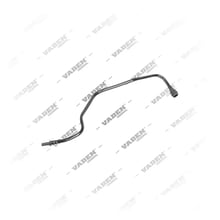
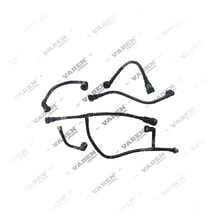
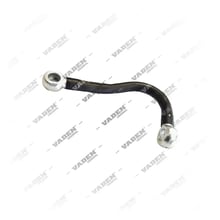
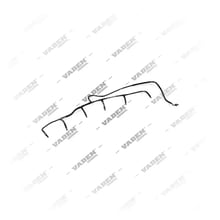
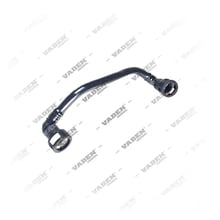
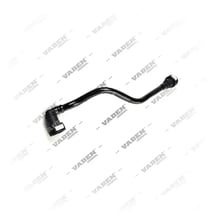
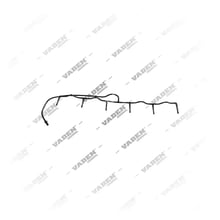
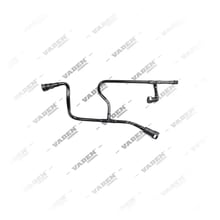
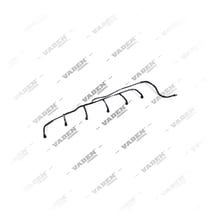
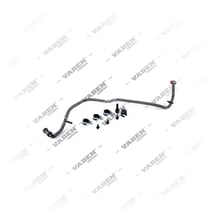
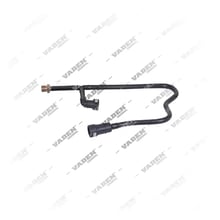
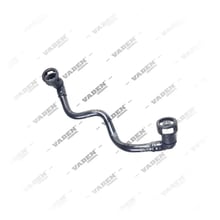
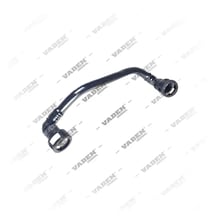
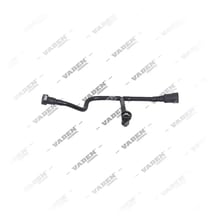
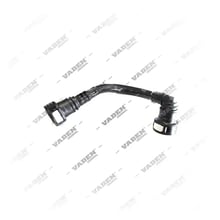
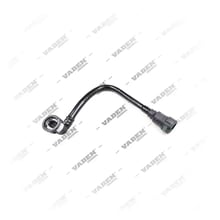
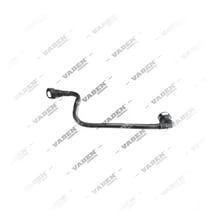
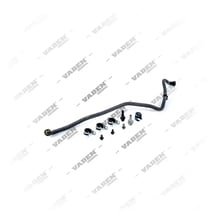
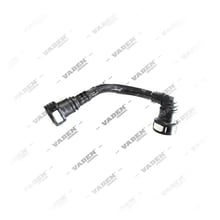
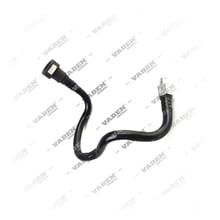
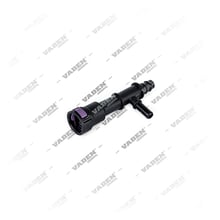
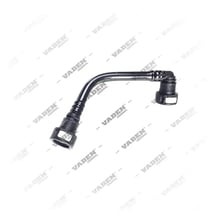
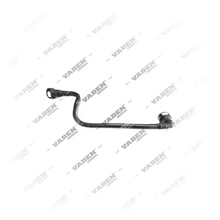
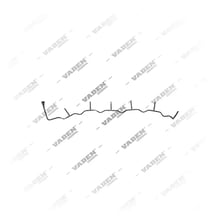
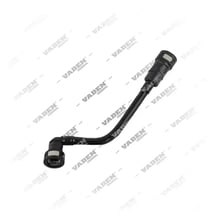
What Is an Injector Pipe?
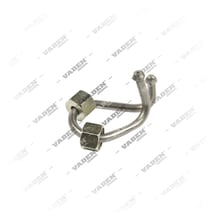
An injector pipe is the steel tube that takes fuel from the injection pump, or from the common rail, to each injector on the engine under very high pressure. It also goes by high-pressure fuel line, injector line, or injection pipe. On a heavy-duty diesel engine, this line has a direct effect on performance, because it determines whether fuel reaches the combustion chamber at the right timing, in the right volume, and at the right pressure, which is what clean, efficient combustion needs. You will find injector pipes on trucks, tractor units, buses, and off-road/construction machinery. They are made from high-pressure-rated steel, and each one is built to the specific diameter, length, and fitting form of the engine type it serves. On Mercedes-Benz, MAN, Scania, Volvo, DAF, Iveco, Renault, BMC, and Ford heavy commercial vehicles, the injector pipe is a common wear item.
What Does an Injector Pipe Do?
The pipe picks up diesel at the injection pump or the common rail line and carries it directly to the injectors. All the way there, the fuel stays under high pressure, so that each injector fires at the correct spray pressure. The line also helps deliver an equal volume of fuel to every cylinder, which supports balanced engine operation.
Because the pipe wall is rigid, it dampens the pressure pulsations in the fuel flow and protects injection accuracy. At the fittings and connection points, the pipe provides a tight seal to prevent high-pressure fuel leaks. Accurate fuel delivery, in turn, helps the engine reach its intended power, torque, and fuel-efficiency targets.
Injector Pipe Technical Specifications
| Specification | Detail |
|---|
| Part name | Injector pipe / high-pressure fuel line / injection pipe (injector pipe) |
| System | Diesel engine fuel (injection) system |
| Material | High-pressure-rated steel tubing |
| Main function | Carries fuel from the injection pump or common rail to the injectors under high pressure |
| Connection | Fitting connection between injection pump / common rail and injector |
| Compatible vehicles | Mercedes-Benz, MAN, Scania, Volvo, DAF, Iveco, Renault, BMC, Ford heavy commercial vehicles |
| Application | Diesel engines in trucks, tractor units, buses, and construction machinery |
| Key trait | Pipe diameter, length, and fitting form vary by engine type |
Types of Injector Pipes
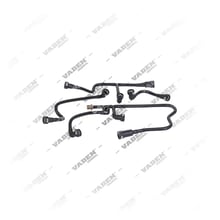
On a common rail engine, the pump-to-rail feed line is the main supply line carrying fuel from the high-pressure injection pump to the common rail. From the rail, individual pressure-rated pipes known as high-pressure injector lines run to each injector. On in-line pump diesel engines the layout is different, with separate high-pressure pipes feeding each cylinder individually.
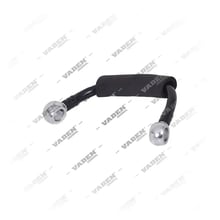
The fuel return line is a low-pressure line that routes excess fuel from the injectors and the pump back to the fuel tank. The nuts, seals, and unions that make up the fittings and connectors create the leak-free connection between the pipe, the pump, and the injector.
How to Maintain an Injector Pipe
Looking after an injector pipe comes down to a handful of regular checks. Look over the connection points and fittings for signs of fuel leakage, and clear away the dirt, debris, and moisture that build up on and around the pipe. Every so often, verify that the fuel pressure still matches the values the manufacturer specifies.
The fuel filter is part of the job too. Replace it at the recommended intervals so that the pipe and injectors do not clog. Tighten the fittings to the manufacturer's specified torque so they do not work loose and leak. On top of your own checks, have a qualified technician inspect the injector pipe at the intervals the manufacturer recommends.
Common Injector Pipe Problems and Fixes
A fuel leak from the line comes from a loose fitting or a cracked pipe. Tighten the connections, or replace the pipe if it is damaged. Loss of engine performance is a different case. Irregular fuel flow through the line reduces power output, so the line and the pressure system need inspecting. If you hear knocking or ticking, pressure pulsations or loose connections can be behind it, and the things to check are fitting tightness and pipe clamping.
A leak or a pressure loss in the line also pushes fuel consumption up, and worn seals should be renewed. When fuel flow is insufficient or interrupted, starting is delayed or does not happen at all; clear any blockages and restore the correct pressure. Over time, vibration and prolonged use can fatigue the pipe and crack it, and once that happens, replace it with a genuine-quality injector pipe.
Why Choose a VADEN ORIGINAL Injector Pipe?
VADEN ORIGINAL injector pipes are OEM-grade parts, produced to original equipment design and workmanship standards. Their high-pressure-rated steel resists cracking and fatigue even under heavy-duty operating conditions. Because the dimensions and tolerances are correct, fuel reaches the injectors precisely and at a stable pressure. Original-spec dimensions also make installation easy, with no wasted time during removal and fitting.
The vehicle range is wide, with options for Mercedes-Benz, MAN, Scania, Volvo, DAF, Iveco, Renault, BMC, and Ford heavy commercial vehicles, and every pipe is manufactured to VADEN ORIGINAL quality standards for a long service life.
Frequently Asked Questions (FAQ)
What does an injector pipe do?
An injector pipe takes diesel fuel from the injection pump, or from the common rail, and delivers it to the engine's injectors under high pressure. That way the fuel reaches the combustion chamber in the right volume and at the right pressure for the engine to run efficiently.
Is an injector pipe the same as a high-pressure fuel line?
Yes. Injector pipe, injector line, injection pipe, and high-pressure fuel line all refer to the same part: the steel tube that carries fuel under high pressure to a diesel engine's injectors.
What are the symptoms of a failing injector pipe?
Common symptoms include fuel leaks, reduced engine performance, unusual ticking or knocking noises, higher fuel consumption, and hard starting or failure to start. In these cases the pipe and its fittings should be inspected.
Which vehicles use an injector pipe?
Injector pipes are used in diesel engines across heavy commercial vehicles such as trucks, tractor units, buses, and construction machinery, including Mercedes-Benz, MAN, Scania, Volvo, DAF, Iveco, Renault, BMC, and Ford models.
How do you maintain an injector pipe?
Check the fittings for leaks, keep the line clean, measure fuel pressure periodically, replace the fuel filter on schedule, and tighten connections to the correct torque. Professional servicing at manufacturer-recommended intervals is also advised.
What should I do if the injector pipe is leaking fuel?
A fuel leak is usually caused by a loose fitting or a cracked pipe. Tighten the connections to the manufacturer's torque spec first; if the leak continues, replace the pipe with a durable VADEN ORIGINAL injector pipe.
Conclusion
The injector pipe is the part of the fuel system that gets diesel to the injectors at the right pressure and in the right volume. Regular maintenance, inspection of the fittings, and a quality injector pipe all help keep the engine running efficiently and fuel consumption under control. VADEN ORIGINAL injector pipes bring high-pressure-rated construction, precise manufacturing tolerances, and broad vehicle coverage, which makes them a dependable choice for heavy-duty vehicle owners. Browse the VADEN ORIGINAL injector pipe range to keep your commercial vehicle's fuel system protected.
Related technical guide: Diesel Injection Line & Fuel Pipe · Download PDF
Related technical guide: Diesel Injection Line & Fuel Pipe: Faults, Repair, Maintenance