What is a Flywheel Housing Cover?
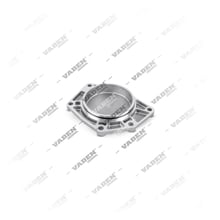
The flywheel housing cover is a protective sheet-metal part that closes the service window on the flywheel housing and can be removed and refitted when needed. This window is designed so a service technician can reach the crankshaft timing mark hole, the starter ring gear, or the flywheel bolts without fully disassembling the housing. When closed, the cover has a gasketed or sealed structure to prevent dust, water, and road dirt from entering the housing; on some engines the cover may also include a vent hole or a sensor pass-through point.
What are the functions of the Flywheel Housing Cover?
- Maintenance access: provides access to the flywheel and crankshaft components without removing the housing.
- Protection: protects moving parts inside the housing from dust, moisture, and road dirt.
- Sealing: prevents foreign material from entering the housing via a gasket or seal.
- Housing integrity: completes the structural enclosure of the flywheel housing, preserving system integrity.
- Service convenience: speeds up operations such as timing checks or starter ring gear inspection.
What are the symptoms of a Flywheel Housing Cover failure?
When the cover gasket deteriorates, the most obvious symptom is early signs of corrosion around the flywheel due to dust and moisture entering the housing. When the cover's mounting screws loosen, a rattling sound may come from the cover while the vehicle is moving, becoming more noticeable on rough roads. If the cover has fallen off completely or broken, the housing interior is fully exposed, which can allow dust and water to reach the crankshaft rear seal and shorten its service life. If the cover shows rust or a hole, moisture buildup inside the housing increases, which can lead to corrosion of the flywheel and starter ring gear over the long term.
How is the Flywheel Housing Cover inspected?
Inspection starts with a visual check, examining the cover surface for cracks, rust, or holes, and confirming that mounting screws are secure. The cover should be gently pushed by hand to check for play or looseness. Whether the gasket or seal has hardened or retained its flexibility should be assessed visually. If water or dust ingress into the housing is suspected, the cover should be removed to directly check the inner surface for moisture, rust, or dirt buildup.
What should be considered during replacement?
Before fitting a new cover, the mating surface on the housing should be cleaned of dirt and rust, and the old gasket completely removed. The cover's mounting orientation and alignment should be maintained as specified by the manufacturer; misalignment can compromise sealing. Mounting screws should be tightened to the torque specified by the manufacturer; over-tightening can deform the cover's sheet metal. After installation, the area around the cover should be visually checked to confirm it seats fully and sealing is achieved.
How to choose the right Flywheel Housing Cover?
Selection should be based on the engine's OE reference number, with cover dimensions and mounting hole layout matching the original housing exactly.
Flywheel Housing Cover selection criteria| Criterion | Description |
|---|
| Engine OE number | The reference specified in the vehicle's current OE service manual is authoritative |
| Cover dimensions | Height, width, and thickness must match the original part |
| Mounting hole layout | Screw holes must fully align with the housing body |
| Material thickness | Must be corrosion-resistant with adequate sheet-metal thickness |
| Gasket/seal compatibility | Sealing element must match the original dimensions |
Maintenance and service life
The flywheel housing cover does not require regular periodic maintenance, but visual inspection should not be neglected. During engine servicing, it should be checked that the cover sits securely and that its gasket has not deteriorated. On vehicles that frequently operate in muddy or dusty terrain, dirt buildup around the cover should be cleaned regularly, which extends the gasket's service life.
VADEN Flywheel Housing Cover
Vaden offers flywheel housing covers matched to different engine types in OE dimensions with broad OEM reference coverage. For proper protection and sealing, the part should be selected according to the engine's OE number.
Frequently Asked Questions (FAQ)
What should be done if the cover rattles?
It usually indicates loose mounting screws; the screws should be checked and retightened to the torque specified by the manufacturer.
Is the crankshaft seal at risk if the cover breaks?
Yes, the housing interior becomes exposed, and dust and water ingress can shorten the service life of the crankshaft rear seal; the cover should be replaced immediately.
Why is the cover important for maintenance?
It provides access to the flywheel and crankshaft components without fully removing the housing, speeding up service operations.
What happens if the gasket hardens?
Sealing weakens and moisture and dust can enter the housing; a hardened or inelastic gasket should be renewed.
How should the cover be maintained in dirty terrain conditions?
Dirt buildup around the cover should be cleaned regularly, which extends the service life of both the gasket and the cover.