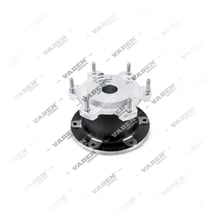
What Is a Fan Bracket?
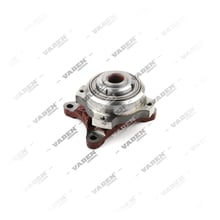
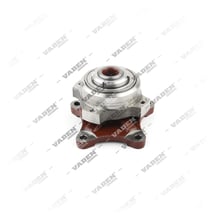
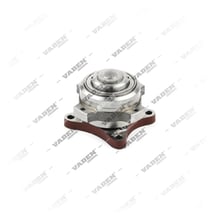
The fan bracket is the structural mounting component in a heavy commercial vehicle's cooling system that secures the radiator fan (viscous clutch fan or electric fan assembly) firmly and vibration-free to the engine block or chassis. In the field it is also called a "fan mount," "fan support," or "fan carrier." The fan draws cooling air through the radiator to keep engine temperature in balance; to do this properly, it must stay perfectly aligned on its rotational axis and firmly fixed in place — a task the fan bracket performs. Typically cast aluminum or welded steel, the fan bracket is engineered to withstand continuous engine vibration and repeated heat cycling. On Mercedes-Benz, MAN, Scania, Volvo, DAF, Iveco, and Renault Trucks heavy trucks and buses, it serves at the point where the fan assembly connects to the engine block, water pump, or chassis console.
The Fan Bracket's Role in the Cooling System
The fan bracket's primary function is to hold the fan unit on a fixed axis, preserving clearance between the radiator core and the fan blades. If this clearance is lost, the blades can contact the radiator core or fan shroud, cutting cooling efficiency and risking serious damage. The bracket also carries the weight of the fan clutch or electric fan motor and absorbs engine vibration, protecting surrounding hoses and connections.
- Positioning and Alignment: Keeps the fan blades at a fixed, correct distance from the radiator, preventing contact and friction.
- Vibration Damping: Reduces the transfer of engine speed fluctuations to the fan assembly and surrounding components.
- Structural Support: Safely carries the weight of the fan clutch, the fan blades, and, where fitted, the electric fan motor.
- Preserving Cooling Efficiency: A correctly aligned fan maintains optimum airflow through the radiator, preventing engine overheating.
- Protecting Connection Points: Balances the load on neighboring components such as the water pump shaft, clutch housing, and chassis console.
Fan Bracket Technical Specifications
Fan brackets vary in geometry, bolt-hole spacing, and mounting method depending on the vehicle model and engine type. Material choice generally falls between cast aluminum and welded steel construction. Identifying the correct bracket requires weighing engine code, clutch type, and fan diameter together; for exact dimensions and torque values, always consult the vehicle's current service manual.
- Material: Cast aluminum housing or welded steel construction, with a corrosion-resistant surface coating.
- Mounting Type: Bolted fixing to the engine block, water pump housing, or chassis console.
- Compatibility Criteria: Vehicle-specific geometry based on engine code, fan clutch model, and fan diameter.
- Vibration Resistance: Structural strength engineered to withstand continuous engine vibration and thermal cycling.
Fan Bracket Types and Subgroups
- Engine Block-Mounted Fan Bracket: Bolted directly to the engine block, the most widely used fixed carrier type.
- Water Pump-Mounted Fan Bracket: Carries the fan clutch via the water pump housing, favored in compact engine layouts.
- Chassis Console Fan Bracket: Common with electric fan motors, connecting the fan unit to the chassis or radiator frame.
- Adjustable Tensioning Bracket: Allows fine adjustment of fan alignment or belt tension after installation.
- Reinforced Heavy-Duty Bracket: A strengthened type with extra structural support for large-diameter viscous clutch fans.
How to Choose the Right Fan Bracket
The most critical factor when choosing a fan bracket is an exact match with the vehicle's engine code and fan clutch type; similar-looking brackets can differ in bolt-hole spacing or bolt diameter. An incorrect bracket causes fan misalignment or premature fatigue cracking. The table below summarizes the key selection criteria.
Fan Bracket Selection and Application Criteria| Criterion | Check Point |
|---|
| Engine Code | Bracket geometry varies by engine type; confirm against the OEM part number |
| Fan Clutch Type | Mounting hole must match the viscous clutch or electric fan motor |
| Mounting Point | Distinguish between engine block, water pump, or chassis console fitment |
| Material Condition | Cast surface must be free of cracks or corrosion marks |
| Bolt Torque | Tighten to the value specified in the vehicle manufacturer's current service manual |
Fan Bracket Maintenance and Key Considerations
- Pre-Installation Surface Check: Inspect the bracket for cracks, deformation, or excessive corrosion.
- Correct Torque Value: Tighten bolts within the range specified in the vehicle's service manual; a loose mounting increases vibration.
- Verify Fan Alignment: After installation, confirm that the fan blades do not contact the radiator or fan shroud.
- Periodic Vibration Check: If abnormal noise or vibration is noticed, inspect the bracket and its mounting bolts.
- Use OEM-Dimension Parts: An ill-fitting bracket can throw off fan balance and damage neighboring components.
Common Fan Bracket Faults and Solutions
- Fan Contacting the Radiator or Fan Shroud: Caused by a cracked or loosened bracket; inspect it, replace if necessary, and tighten bolts to the correct torque.
- Abnormal Vibration and Noise: Caused by wear at the bracket mounting point or a loose connection; check the bolts and replace a worn bracket.
- Cracking in the Bracket Housing: Caused by prolonged vibration fatigue or incorrect torque application; replace the bracket with an OEM-dimension part.
- Irregular Fan Clutch Operation: Axis shift caused by a misaligned bracket; check the bracket alignment and mounting points.
- Premature Corrosion or Surface Deterioration: Caused by inadequate coating quality or moisture exposure; choose a corrosion-resistant, OEM-quality bracket.
Why Choose a VADEN ORIGINAL Fan Bracket?
- Manufactured to OE Dimensions: Fan brackets are produced with geometry that matches the original engine code and clutch type precisely.
- Broad OEM Coverage: Offers extensive reference coverage across Mercedes-Benz, MAN, Scania, Volvo, DAF, Iveco, and Renault Trucks vehicles.
- Durable Material Quality: Built from cast or steel construction resistant to vibration and thermal cycling.
- Exported to Over 100 Countries: VADEN ORIGINAL parts are trusted by fleet operators and workshops worldwide.
- Reliable Cooling Performance: Correct fan alignment prevents engine overheating and supports long-term engine health.
Conclusion
Although the fan bracket may look like a minor component, it plays a critical role in cooling system reliability; by keeping the fan on its correct axis, it preserves cooling efficiency while protecting surrounding components from vibration damage. Replacing a worn or cracked bracket in good time with an OEM-quality part reduces overheating risk and extends the fan assembly's service life. VADEN ORIGINAL fan brackets are manufactured in vehicle-specific geometry for long-lasting, reliable cooling performance.
Frequently Asked Questions (FAQ)
What happens if a fan bracket fails?
If the fan bracket cracks or loosens, the fan blades can contact the radiator or the fan shroud, causing both serious damage to the cooling system and abnormal vibration and noise. In this situation, the vehicle quickly faces a risk of overheating.
How can you tell if a fan bracket is loose?
Abnormal vibration during engine operation, a metallic knocking sound, or a friction noise coming from the fan area indicate that the bracket has loosened or been damaged. When these symptoms appear, the bracket and its mounting bolts should be inspected as soon as possible.
What material is a fan bracket made from?
Fan brackets are generally made from cast aluminum for its light weight and heat dissipation properties, while some heavy-duty applications use welded steel construction for higher strength. Material choice depends on the vehicle's engine type and the weight of the fan clutch.
Which vehicles are VADEN ORIGINAL fan brackets compatible with?
VADEN ORIGINAL fan brackets are manufactured with geometry suited to a wide range of engine codes from heavy commercial vehicle brands such as Mercedes-Benz, MAN, Scania, Volvo, DAF, Iveco, and Renault Trucks. It is recommended to confirm the engine code and fan clutch type before ordering.
Can a fan bracket be replaced without professional help?
Because fan bracket replacement requires the correct torque value and precise fan alignment, it should be carried out at an authorized workshop or by an experienced technician. Incorrect installation can cause fan imbalance and damage to neighboring components.