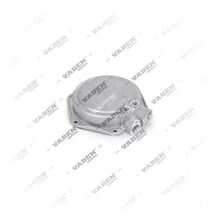
What Is a Camshaft Cover?
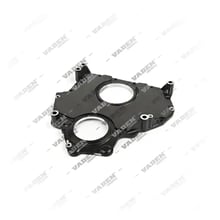
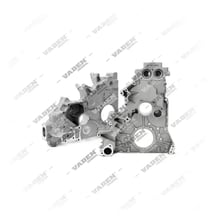
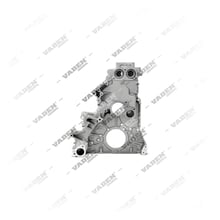
The camshaft cover is a cast or pressed-steel protective component in heavy-duty commercial vehicle engines that seals off the camshaft's bearing housing and drive gear assembly from the outside environment. It bolts onto the corresponding surface of the engine block or cylinder head, shielding the camshaft bearings beneath it, the tappet (lifter) mechanism, and — on some designs — the drive gear from dust, moisture, and external impact. In the field this part is also called the "camshaft bearing cover" or "eccentric shaft cover." The camshaft cover also forms the sealing surface that keeps engine oil contained in that area. Manufactured in different dimensions and bolt patterns for Mercedes-Benz, MAN, Scania, Volvo, DAF, Iveco, Renault Trucks, and BMC heavy-duty engines, camshaft covers may be a single-piece casting or a pressed-steel body depending on the overall engine design.
Functions of the Camshaft Cover
Despite its apparent simplicity, the camshaft cover's role inside the engine has a direct impact on overall reliability. By enclosing the camshaft bearing housing, the cover keeps pressurized oil in that area and prevents it from leaking out. It also protects the drive gear or the mechanism at the chain/belt end from dust, mud, and moisture — protection that is especially valuable for vehicles operating on construction sites and unpaved roads. Clamped tightly against the engine block or cylinder head with a gasket, the cover's sealing surface prevents oil leaks and helps keep internal engine pressure stable. On some engine types, the camshaft cover also serves as a passage point for the crankcase ventilation line.
Camshaft Cover Technical Specifications
Camshaft covers are typically manufactured from cast aluminum or pressed steel, with the material choice depending on the engine design and the load the cover must bear. Cast aluminum covers offer greater dimensional stability and better heat dissipation, while pressed-steel covers are lighter and more economical. Bolt pattern, fastener count, and sealing-surface profile vary by engine make and model, so the engine code and chassis number should always be confirmed before ordering. A gasket or liquid gasket is applied between the cover and the block for sealing; tightening torque and gasket thickness depend on the manufacturer's tolerances. For exact torque, dimension, and tolerance values, always consult the vehicle's current service manual.
Camshaft Cover Technical Information Table| Feature | Description |
|---|
| Product Category | Protective component for the engine's camshaft bearing/cover assembly |
| Material | Cast aluminum or pressed-steel body |
| Sealing | Secured to the block/cover surface with a gasket or liquid gasket |
| Connection | Bolt pattern varies by engine make |
| Vehicle Compatibility | Mercedes-Benz, MAN, Scania, Volvo, DAF, Iveco, Renault Trucks, BMC |
| Application Area | Heavy-duty trucks, tractor units, buses, and off-road machinery engines |
| Quality Standard | VADEN ORIGINAL manufacturing to OEM dimensions |
Camshaft Cover Types and Subgroups
- Front Camshaft Cover: Encloses the gear or pulley area at the drive end of the camshaft, protecting the timing mechanism.
- Rear Camshaft Cover: Covers the bearing at the end of the shaft facing the rear of the engine, generally with a simpler body.
- Top Camshaft Cover: On models where the camshaft sits on top of the cylinder head, it encloses the tappet mechanism and lubrication channels.
- Inspection Cover: A small-diameter access cover mounted on the main cover; removed for periodic tasks such as valve clearance adjustment.
- Cover Gasket and Sealing Kit: Gasket and O-ring sets that need to be replaced together with the cover itself.
- Mounting Bolt and Washer Set: Fasteners that secure the cover at the correct torque and allow it to be reinstalled reliably.
How to Choose the Right Camshaft Cover
When choosing the correct camshaft cover, check the vehicle's engine code, chassis number, and — if available — the OEM reference number on the existing cover; even within the same engine family, cover dimensions or bolt patterns can change between revisions.
- Confirm the Position: Clearly determine whether the cover is used in the front, rear, or top position.
- Verify the OEM Number: Before ordering, confirm compatibility with the VADEN technical team using the OEM reference number.
- Match the Material: If the original design is cast aluminum, choose a cast cover; if pressed steel, choose a pressed-steel cover — do not change the material.
- Replace the Gasket Together: Renewing the gasket along with the cover guarantees the seal.
Camshaft Cover Maintenance and Points to Watch
- Ensure a Clean Mounting Surface: Do not install a new gasket until all old gasket residue has been completely removed from the cover and block surfaces.
- Tighten to the Specified Torque: Bolts must be tightened in the sequence and to the torque specified by the manufacturer; overtightening can deform the cover.
- Choose the Correct Gasket Type: Use the original gasket or a suitable liquid gasket — an incompatible material can cause premature oil leaks.
- Perform Periodic Visual Inspections: Check regularly at service intervals for oil traces, cracks, or deformation around the cover.
- Take Care When Removing: Use appropriate prying tools rather than forcing the cover off, keeping in mind the risk of cracking on aluminum bodies.
Common Faults and Solutions
- Oil Leak Around the Cover: Caused by a hardened or damaged gasket or insufficient tightening torque; renew the gasket and check the bolts against the specified torque.
- Cracking or Breakage in the Cover: Caused by overtightening, impact, or improper removal technique; replace the cover with a new one to OEM dimensions.
- Abnormal Drop in Engine Oil Level: Caused by a failed cover seal; locate the leak point and assess the gasket and cover together.
- Moisture and Dirt Buildup Under the Cover: Caused by a partially failed seal; remove and clean the cover and renew the gasket.
- Wear at the Bolt Holes: Caused by repeated removal and reinstallation; in cases of serious damage, have the cover or block surface assessed by a technical service.
Why Choose a VADEN ORIGINAL Camshaft Cover?
- Manufactured to OE Dimensions: Covers are produced to match the original bolt pattern and sealing-surface tolerances.
- Broad OEM Coverage: A wide reference range is offered for Mercedes-Benz, MAN, Scania, Volvo, DAF, Iveco, Renault Trucks, and BMC engines.
- Durable Material Quality: Cast and pressed-steel bodies are manufactured to standards resistant to corrosion and engine heat.
- International Export Experience: VADEN ORIGINAL products are field-proven, exported to more than 100 countries.
- Sealing Assurance: When paired with the correct gasket, the risk of oil leakage is minimized.
Conclusion
The camshaft cover is a small but essential engine component that protects the camshaft bearing housing and drive mechanism while ensuring the lubrication system stays sealed. A camshaft cover installed with the correct material, correct dimensions, and a matching gasket contributes directly to long, leak-free engine operation. VADEN ORIGINAL camshaft covers, manufactured to OE dimensions with broad vehicle compatibility, offer a reliable solution for heavy-duty commercial vehicle fleets.
Frequently Asked Questions (FAQ)
What does a camshaft cover do?
The camshaft cover is a protective component that shields the engine's camshaft bearing housing and drive gear assembly from the outside environment while also sealing the lubrication system. It keeps engine oil contained in that area and prevents external factors such as dust and moisture from reaching the mechanism.
What symptoms appear when a camshaft cover fails?
The most common symptoms are oil leakage around the cover, an abnormal drop in engine oil level, visible cracking or deformation of the cover, and moisture or dirt buildup underneath it. If any of these symptoms are noticed, the cover and gasket should be inspected together.
Should the gasket also be replaced when changing the camshaft cover?
Yes — once the cover is removed, the old gasket is usually hardened or deformed, and reusing it increases the risk of oil leaks. It is recommended to renew the seal with a suitable gasket or liquid gasket at the same time as the cover.
Which vehicles are VADEN ORIGINAL camshaft covers compatible with?
VADEN ORIGINAL camshaft covers are manufactured for Mercedes-Benz, MAN, Scania, Volvo, DAF, Iveco, Renault Trucks, and BMC heavy-duty engines. Before ordering, it is recommended to confirm compatibility using the engine code and OEM reference number.
How much torque should camshaft cover bolts be tightened to?
The torque value varies by engine make and model, so rather than giving a fixed figure, always refer to the torque table in the vehicle's current service manual. Overtightening can deform the cover, while insufficient tightening can lead to oil leaks.