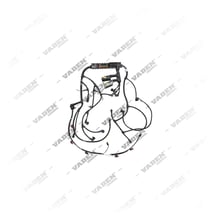
What Is an Engine Wiring Harness?
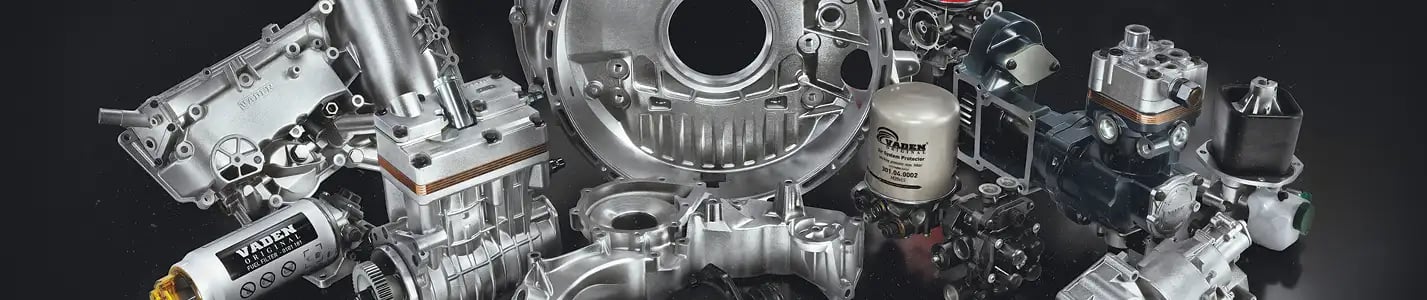
An engine wiring harness is the bundled cable assembly that gathers every electrical signal and power line in a heavy commercial vehicle's engine bay into one protected housing, running from injectors and sensors to actuators and the engine control unit (ECU) connectors. In the field it is also called the "engine harness," "injector wiring harness," or "engine electrical loom." It links the crankshaft and camshaft position sensors, temperature and pressure sensors, injectors, the turbo actuator, the exhaust gas recirculation (EGR) valve, and the engine ECU, ensuring uninterrupted operation of the engine's entire electronic control chain. Because the engine bay is exposed to high heat, vibration, oil, and moisture, the harness is manufactured with specialized insulation and protective layers. Used on Mercedes-Benz, MAN, Scania, Volvo, DAF, Iveco, and Renault Trucks engines, it has a direct effect on engine performance and fuel economy.
How Does an Engine Wiring Harness Work?
The engine wiring harness functions like the nervous system of the engine management system, carrying sensor signals to the ECU and relaying the ECU's command signals back to the injectors and actuators. This two-way flow of data and power optimizes combustion efficiency and lets the engine respond quickly to sudden load changes. Harness integrity is directly proportional to the reliability of the engine control system.
- Signal Transmission: Continuously relays sensor data such as engine speed, temperature, pressure, and oxygen content to the ECU.
- Command Transmission: Delivers the injection and actuator command signals generated by the ECU to the relevant components.
- Power Distribution: Safely carries the supply current required by injectors, sensors, and actuators.
- Ease of Fault Diagnosis: Color-coded and numbered circuits allow the correct line to be located quickly.
Engine Wiring Harness Technical Specifications
Engine wiring harnesses are designed to withstand the engine bay's high-temperature range; the copper conductor wires are typically coated with heat-resistant PVC, silicone, or Teflon-based insulation. Connectors use specially sealed housings for oil and moisture resistance, built with locking mechanisms secured against vibration. Wire cross-sections vary by signal or current type: sensor lines are thin-gauge and shielded, while power lines use thicker conductors. Heat-resistant braided sleeving or corrugated conduit protects the harness against mechanical damage. Compatibility is determined by engine type, model year, ECU version, and connector pin count.
Types and Subgroups of Engine Wiring Harnesses
- Injector Wiring Harness: Carries the injection signal from the ECU to each injector, determining the precision of combustion timing.
- Sensor Wiring Harness: Transmits data from the crankshaft, camshaft, temperature, and pressure sensors to the ECU.
- Main Engine Body Harness: The central backbone that gathers all sub-harnesses in the engine bay and connects to the cabin and chassis wiring harness.
- Turbo and Actuator Harness: Delivers the command signal to the turbo pressure actuator and variable geometry turbo (VGT) engines.
- EGR and Emission Control Harness: Provides the electrical connection between the exhaust gas recirculation valve and the emission sensors.
- Relay and Fuse Connection Harness: Forms the supply lines between the engine bay's power distribution box and the actuators.
How to Choose the Right Engine Wiring Harness
Choosing the correct engine wiring harness requires verifying the vehicle make, engine code, model year, and ECU version; even within the same engine family, connector pin layout can vary by model year. Selecting a product with the same connector type, pin count, and cable length as the original harness eliminates the need for extra adapters or splicing during installation. The table below summarizes the key criteria for selection.
Engine Wiring Harness Selection Criteria| Criterion | Description |
|---|
| Engine Code / Model | Determines the engine type and model year the harness is compatible with |
| Connector Pin Count | Must match the ECU and sensor connectors exactly |
| Wire Gauge and Insulation | Cross-section and heat-resistant insulation suited to the signal or power line |
| Protective Sleeving | Braided or corrugated protection provides mechanical and thermal durability |
| Vehicle Compatibility | Mercedes-Benz, MAN, Scania, Volvo, DAF, Iveco, Renault Trucks |
| Quality Standard | OEM-equivalent VADEN ORIGINAL manufacturing |
Engine Wiring Harness Maintenance and Key Considerations
- Inspect Connectors Periodically: Check regularly for oxidation, looseness, or moisture ingress.
- Examine Sleeving and Insulation: Identify worn, cracked, or melted insulation and replace it in time.
- Be Careful During Engine Washing: Avoid directing high-pressure water or steam straight at connectors.
- Check the Mounting Clips: Loose mounting points let the harness contact hot surfaces or moving parts.
- Route Correctly During Installation: Follow the original routing and avoid unnecessary tension or bending.
- Use Original-Specification Parts: Always choose VADEN ORIGINAL components for long-term reliability.
Common Faults and Solutions
- Engine Fault Lamp Illuminates: A break in the sensor line or connector oxidation; check the cable and connector, replacing the harness if necessary.
- Erratic Idle or Power Loss: A contact issue in the injector wiring harness; test the injector connectors and circuit continuity.
- Fluctuating Turbo Pressure: A short circuit or break in the turbo actuator harness; inspect the actuator connection and cable insulation.
- ECU Communication Fault: Damage to the main body harness or a loose ground connection; check the ground points and main connector.
- Melting or Scorch Marks on Cable Sleeving: Contact with hot surfaces or overloading; replace the damaged section with an original-quality harness and correct the routing.
Why VADEN ORIGINAL?
- Manufactured to OE Dimensions: Connector type, pin layout, and cable length match the original harness exactly.
- Broad OEM Coverage: A comprehensive product range for Mercedes-Benz, MAN, Scania, Volvo, DAF, Iveco, and Renault Trucks engines.
- Durable Material Quality: Insulation and protective sleeving resistant to heat and vibration deliver a long service life.
- Exported to More Than 100 Countries: Manufacturing quality tested and verified on a global scale.
- Reliable Engine Electronics: Accurate signal transmission reduces fault codes and unexpected downtime.
Conclusion
The engine wiring harness forms the backbone of the electronic control system in heavy commercial vehicle engines, and its correct operation is critical for engine performance, fuel economy, and emissions compliance. Replacing a worn or damaged harness in time with an OE-dimension product prevents unexpected failures and costly downtime. VADEN ORIGINAL engine wiring harnesses are built to original connector and cable specifications, delivering reliable, uninterrupted engine electronics across vehicle fleets.
Frequently Asked Questions (FAQ)
What is an engine wiring harness?
An engine wiring harness is the cable assembly that gathers all the electrical signal and power lines between the sensors, injectors, actuators, and ECU in the engine bay into a single protected housing. It functions like the nervous system of the engine management system, carrying data and command signals.
What symptoms appear when an engine wiring harness fails?
The most common symptoms are an illuminated engine fault lamp, erratic idle, power loss, fluctuating turbo pressure, and ECU communication faults. In these cases the connectors and cable insulation need to be checked.
Why does an engine wiring harness need to be replaced?
Heat, vibration, and moisture can crack the insulation or oxidize the connectors over time, leading to signal loss and engine faults. Replacing a damaged harness with an OE-dimension product preserves the reliability of the engine electronics.
Which vehicles are VADEN ORIGINAL engine wiring harnesses compatible with?
VADEN ORIGINAL engine wiring harnesses are compatible with Mercedes-Benz, MAN, Scania, Volvo, DAF, Iveco, and Renault Trucks heavy commercial vehicle engines. Verifying the engine code and chassis number before ordering is recommended.
What should be considered when installing an engine wiring harness?
The harness should be routed along its original path, unnecessary tension or bending should be avoided, and the mounting clips should be secured firmly. Make sure the connectors are fully seated and moisture sealing is intact.
Related products — Electric System: Engine (view all)