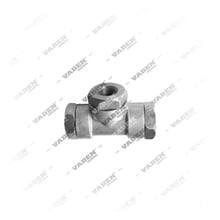
What Is a Check Valve?
A check valve is an air brake system valve that allows compressed air to pass in only one designated direction and automatically blocks flow in the reverse direction. It's also known as a one-way valve or non-return valve. Widely used in the pneumatic (air brake) systems of heavy commercial vehicles, this valve maintains circuit pressure balance so the system runs efficiently and safely. The operating principle is simple: when airflow moves in the forward direction, it overcomes the internal spring force and pushes the valve open; when flow stops or tries to reverse, the spring snaps the valve shut and stops backflow. This protects the system from pressure spikes and sudden air loss.
What Does a Check Valve Do?
- One-Way Flow: Allows compressed air to move only in the intended direction through the circuit.
- Backflow Prevention: Blocks reverse flow to protect overall system safety and stability.
- Pressure Retention: Helps keep system pressure stable and stops stored air from bleeding out of the reservoir.
- Energy Efficiency: Prevents pressure and energy loss caused by backflow, reducing unnecessary compressor cycling.
- System Protection: Shields the pneumatic circuit from pressure surges and hammering effects.
Check Valve Technical Specifications
| Specification | Description |
|---|
| Valve type | One-way / non-return (check) valve |
| Application | Pneumatic (air) brake systems |
| Operating principle | Spring-loaded one-way flow with reverse-flow shut-off |
| Main components | Valve body, spring mechanism, cap, seal, inlet/outlet ports |
| Body material | Durable metal/composite housing |
| Sealing | Gasket and sealing elements maintain pressure retention |
| Connection | Threaded inlet and outlet ports |
| Compatible vehicles | Trucks, tractor units, buses, and trailers |
Check Valve Components and Types
- Valve Body: The durable housing that compressed air passes through and that holds the other internal components.
- Spring Mechanism: The spring that closes the valve and blocks backflow the moment reverse flow occurs.
- Cap: Closes off the valve body and secures a tight, reliable installation.
- Gasket and Sealing Elements: Maintain pressure and prevent leaks, ensuring the valve stays airtight.
- Inlet and Outlet Ports: The connection points that direct flow through the valve in a fixed direction.
Check Valve Maintenance
- Clean the Valve Body: Clean the housing regularly to prevent dirt and debris from building up inside.
- Inspect the Seals: Check gaskets and sealing elements for wear and replace any damaged parts promptly.
- Check the Spring Mechanism: Verify the spring moves freely and lubricate it when needed to keep response time consistent.
- Tighten Mounting Connections: Inspect mounting points regularly to catch any loosening before it causes a leak.
- Use Genuine Parts: Choose OE-standard parts such as VADEN ORIGINAL for dependable, long-lasting performance.
Common Check Valve Faults and Fixes
- Flow in Both Directions: Air moving backward through the valve signals a failed valve; it should be replaced.
- Unusual Noise: Hissing, clicking, or chattering during flow points to a spring mechanism problem; inspect the spring and valve seat.
- Leakage: Air leaking around the valve body indicates worn seals; renew the sealing elements.
- Pressure Drop: An unexpected loss of system pressure can mean the valve is no longer holding; test it and replace if faulty.
Why Choose VADEN ORIGINAL Check Valve?
- Durable Materials: Manufactured with high-grade components for long service life and dependable operation.
- OE Standards: Built to original equipment specifications for reliable sealing and consistent pressure retention.
- Wide Product Range: Fitments available for a broad range of truck, tractor unit, bus, and trailer models.
- Technical Support: Expert guidance available for part selection and installation.
Frequently Asked Questions (FAQ)
What does a check valve do in a truck air brake system?
A check valve lets compressed air flow in only one direction and blocks any reverse flow. In heavy commercial vehicle air brake systems, it maintains pressure balance and keeps air from bleeding back out of the reservoir, which supports safe, consistent braking.
Is a check valve the same as a one-way valve?
Yes. Check valve, one-way valve, non-return valve, and backflow prevention valve all refer to the same component: a valve that allows flow in only one direction.
What are the symptoms of a bad check valve?
Common signs include air flowing backward through the valve, unusual noise during operation, leakage around the valve body, and an unexplained drop in system pressure. If any of these appear, the valve should be inspected or replaced.
Which vehicles use a check valve?
Check valves are used in the pneumatic (air) brake systems of heavy commercial vehicles such as trucks, tractor units, buses, and trailers. They're common on Mercedes-Benz, MAN, Scania, Volvo, DAF, Iveco, Renault, BMC, and Ford chassis.
Why is my check valve leaking air?
The most common cause is worn gaskets or sealing elements. Dirt buildup inside the housing or a damaged spring mechanism can also cause leaks. Replace the seals first, and if the leak continues, replace the valve.
How do you maintain a check valve?
Clean the valve body regularly, inspect the gaskets and sealing elements for wear, check that the spring mechanism moves freely and lubricate it when needed, and make sure mounting connections stay tight. When replacement is needed, choose OE-standard parts like VADEN ORIGINAL.
Conclusion
The check valve is a critical component in heavy commercial vehicle air brake systems, blocking backflow to protect pressure balance and driving safety. VADEN ORIGINAL check valves are built to OE standards with durable materials and reliable sealing for long-lasting performance. Regular maintenance and the right genuine parts keep your brake system safe and running at peak efficiency.