What Is a Caliper Piston Bushing?
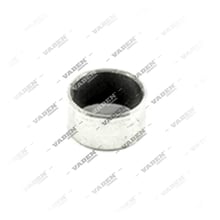
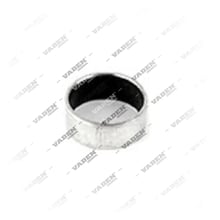
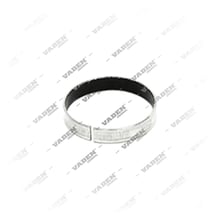
A Caliper Piston Bushing is a wear-resistant bearing component that lets the piston inside a heavy-duty commercial vehicle's disc brake caliper move along its own axis without friction or play. Sitting within the Brake Caliper > Caliper Piston > Bushing chain, this part is a hollow, cylindrical sleeve that lets the piston shaft travel smoothly inside its bore in the caliper housing. In the field it is sometimes called a "piston bearing," "piston bushing," or "guide bushing," but all of these names describe the same function: keeping piston travel centered and leak-free without disrupting the seal. The Caliper Piston Bushing plays a role distinct from the caliper's other components, such as the seal ring, dust boot, and adjuster bolt, and it has a direct effect on braking precision. It is widely used in the Wabco and Knorr-Bremse disc brake calipers fitted to trucks from Mercedes-Benz, MAN, Scania, Volvo, DAF, Iveco, and Renault Trucks.
How Does a Caliper Piston Bushing Work?
When the brake pedal is pressed, the piston shaft inside the caliper pushes the pad toward the disc; the Caliper Piston Bushing is what allows this motion to happen along a true axis, without vibration and with minimal friction. The bushing centers the piston shaft inside the caliper bore and prevents radial play, keeping the contact surface between pad and disc even across its full area. At the same time, the bushing prevents metal-to-metal contact, protecting both the piston and the caliper housing from premature wear. When the brake is released and the piston retracts, the bushing keeps the motion smooth and friction-free, which reduces uneven pad wear, brake drag, and unnecessary heat buildup. Wear or deformation in the bushing causes the piston to drift off its axis, disrupting pad-to-disc contact and causing vibration during braking.
Caliper Piston Bushing Technical Specifications
A Caliper Piston Bushing is typically made from high-strength bronze alloy, sintered metal, or PTFE-coated composite material; this material choice combines a low coefficient of friction with high load-bearing capacity. Its inner diameter is machined to sit tightly against the piston shaft's outer diameter, while its outer diameter is machined to fit the caliper bore within tight tolerances; this dimensional match is critical for correct centering and sealing. Heat resistance is an important criterion because the caliper is exposed to high temperatures from brake friction; the material must retain dimensional stability through repeated heating and cooling cycles. Because exact dimensions and tolerances vary by caliper model, the vehicle manufacturer's current service manual and original parts catalog should always be the reference.
- Low Coefficient of Friction: Allows piston movement to occur easily and without vibration.
- Tight Inner/Outer Diameter Tolerance: Required for correct centering and a play-free fit.
- High Temperature Resistance: Maintains dimensional stability through the heat cycles generated by brake friction.
- Wear-Resistant Surface: Delivers a long service life and low maintenance requirements.
Caliper Piston Bushing Types and Subcategories
- Bronze Alloy Bushings: Offer high load-bearing capacity and good heat conduction; widely preferred for heavy-duty service.
- Sintered Metal Bushings: Their porous structure retains oil, suiting applications that need continuous lubrication.
- PTFE-Coated Composite Bushings: Provide a very low coefficient of friction and hold up better under dry running conditions.
- One-Piece (Plain) Bushings: A simple cylindrical design suited to standard piston bores.
- Flanged Bushings: Feature a raised edge that provides axial positioning, limiting longitudinal movement of the piston shaft.
How to Choose the Right Caliper Piston Bushing
The right Caliper Piston Bushing should be chosen based on caliper brand and model, piston shaft diameter, and the tolerances specified by the vehicle manufacturer. The table below summarizes the main selection criteria.
Caliper Piston Bushing Selection Criteria| Criterion | Description |
|---|
| Caliper Compatibility | Inner/outer diameter match to Wabco and Knorr-Bremse caliper housings |
| Material Type | Bronze alloy, sintered metal, or PTFE-coated composite |
| Inner Diameter Tolerance | Tight, play-free fit against the piston shaft's outer diameter |
| Heat Resistance | Dimensional stability through repeated heating and cooling cycles |
| Vehicle Compatibility | Mercedes-Benz, MAN, Scania, Volvo, DAF, Iveco, Renault Trucks |
| Mounting Orientation | Axial positioning needs depending on plain or flanged design |
Caliper Piston Bushing Maintenance and Key Considerations
- Pre-Installation Cleaning: Do not fit a new bushing until old residue and debris in the piston bore have been fully cleaned out.
- Correct Dimensional Check: The bushing's diameters must fully match the piston shaft and caliper housing; never force it into place.
- Lubrication: Lightly grease the bushing surface with the brake grease recommended by the manufacturer, avoiding over-lubrication.
- Joint Evaluation with the Dust Boot: When replacing the bushing, check whether the dust boot is also damaged and renew it if necessary.
- Periodic Visual Inspection: During brake servicing, check piston movement by eye and by hand for stiffness, sticking, or excess play.
Common Faults and Solutions
- Stiffness or Sticking in Piston Movement: Caused by a worn or contaminated bushing; if cleaning is not enough, replace it.
- Uneven Pad Wear: The piston has drifted off axis due to bushing play; bushing replacement and a caliper alignment check are recommended.
- Vibration or Noise During Braking: A worn bushing lets the piston shaft move loosely; renew the bushing and related sealing components.
- Brake Drag: Seizure or deformation in the bushing can prevent full piston retraction; inspect the bushing and dust boot together.
- Premature Wear in the Caliper Housing: A failed bushing causes metal-to-metal contact that damages the housing; timely bushing replacement reduces this risk.
Why Choose VADEN ORIGINAL?
- Manufactured to OE Dimensions: The VADEN ORIGINAL Caliper Piston Bushing is produced to original equipment dimensions and tolerances, with no additional machining required.
- Broad OEM Coverage: Offers bushing options that fit numerous Wabco and Knorr-Bremse caliper models.
- Durable Material Selection: Made from materials resistant to heat and repeated loading, for a long service life.
- Exported to 100+ Countries: VADEN ORIGINAL parts are trusted in heavy-duty commercial vehicle fleets worldwide.
Conclusion
Despite its small size, the Caliper Piston Bushing performs a critical bearing function that keeps the disc brake caliper operating correctly and safely. By letting the piston travel without drifting off axis, without friction, and without breaking the seal, it supports even pad wear and consistent braking performance. A Caliper Piston Bushing chosen with the right material and dimensions, and maintained on a regular schedule, extends both brake safety and caliper service life.
Frequently Asked Questions (FAQ)
What does a Caliper Piston Bushing do?
A Caliper Piston Bushing is the bearing component that lets the piston shaft in a disc brake caliper move along its own axis without friction or play. By keeping the piston's motion smooth and leak-free, it helps ensure even pad contact and consistent braking performance.
What are the signs that a Caliper Piston Bushing is worn?
A worn bushing typically shows up as stiffness or sticking in piston movement, uneven pad wear, vibration or noise during braking, and brake drag. If any of these symptoms appear, the bushing and its related sealing components should be inspected.
Is the Caliper Piston Bushing the same part as the dust boot?
No, the two serve different functions. The bushing provides the mechanical bearing and centering of the piston shaft, while the dust boot protects the piston from dust and moisture. It is recommended to check both together during maintenance.
Which vehicles is the Caliper Piston Bushing compatible with?
The VADEN ORIGINAL Caliper Piston Bushing is manufactured to fit the Wabco and Knorr-Bremse disc brake calipers used by brands such as Mercedes-Benz, MAN, Scania, Volvo, DAF, Iveco, and Renault Trucks. Verifying the caliper brand and model before ordering is recommended.
How often should the Caliper Piston Bushing be replaced?
There is no fixed replacement interval; the bushing should be visually and functionally checked at every regular brake service and replaced if wear, stiffness, or play is detected. The vehicle manufacturer's maintenance schedule and current service manual should be used as the reference.