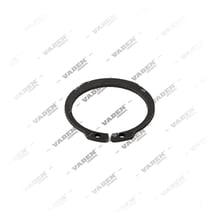
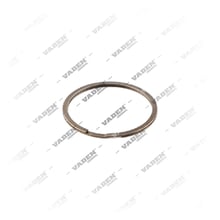
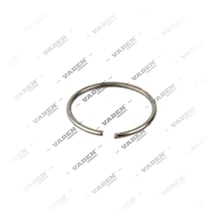
What Is a Caliper Shaft Seal?
A caliper shaft seal is a small-diameter rubber or specialized elastomer sealing ring that fits around the caliper shaft (sliding guide pin) inside a heavy commercial vehicle's brake caliper. In the field it also goes by names such as "caliper pin seal," "shaft O-ring," or "sliding pin seal ring." Sitting at the lowest tier of the Brake Caliper > Caliper Shaft > Seal chain, this component closes the narrow gap between the caliper housing and the shaft surface, keeping dust, moisture, and road grime away from the shaft.
The caliper shaft is the moving pin that lets the brake caliper slide relative to the housing so it can equalize pad pressure; for this motion to stay smooth, the shaft surface must remain clean and lubricated. The seal is exactly what makes that possible, isolating the shaft's sliding surface from outside contaminants. On trucks, tractor units, buses, and trailers operating under heavy load, a healthy caliper shaft seal has a direct bearing on caliper service life and braking safety.
How Does a Caliper Shaft Seal Work?
The caliper shaft seal sits in its groove in the caliper housing, making light-preload contact with the shaft surface to form a moving sealing barrier. Every time the brakes are applied and the shaft slides back and forth in its bore, the seal follows this motion without disturbing the contact surface. This keeps the grease film on the shaft inside the bore, while water and salty road contamination from outside can never reach the shaft-housing interface.
The seal's flexibility is engineered to track the shaft's axial movement; a hardened or cracked seal loses this ability and its protective function weakens. Once the seal can no longer do its job, corrosion starts on the shaft surface, sliding resistance increases, and the caliper's ability to move evenly is compromised. This can lead to one-sided pad wear and inconsistent braking performance.
Caliper Shaft Seal Technical Specifications
Caliper shaft seals are manufactured from nitrile rubber (NBR) or similar elastomer compounds engineered to withstand high temperature swings, brake dust, and road salt. Diameter and cross-section vary with the caliper shaft's nominal diameter and the manufacturer's groove design, so sizing must always be matched to the vehicle and caliper model. The sealing lip profile is designed to apply constant contact pressure against the shaft surface.
The material must retain its flexibility across the wide temperature range seen in heavy commercial vehicle brake calipers, from -40°C to +150°C. Because exact OE values such as pressure and torque vary by caliper model, installation should always follow the vehicle's or caliper manufacturer's current service manual. Seals used in Wabco, Knorr-Bremse, and similar caliper families must be manufactured to match the original groove geometry exactly.
Caliper Shaft Seal Types and Subgroups
- Single-Lip Seal: Provides basic dust and moisture protection with a single sealing lip; the type commonly used on standard caliper shafts.
- Double-Lip Seal: A two-stage sealing lip that both retains grease in the groove and forms an extra barrier against outside contamination.
- Metal-Reinforced Seal: A heavy-duty seal with an internal metal band, offering high seating stability in the groove.
- O-Ring Type Seal: Circular cross-section, used for static or light dynamic sealing in simple grooves.
- Seal Included in Caliper Shaft Repair Kits: Supplied as a set together with the shaft, bushing, and dust boot, preferred for a complete overhaul.
How to Choose the Right Caliper Shaft Seal
When choosing the right caliper shaft seal, first verify the caliper's make and model, the shaft diameter, and the seal's groove depth. A seal of the wrong size either fails to seat fully in its groove or creates excessive friction on the shaft, restricting the caliper's free movement. The table below summarizes the key criteria to weigh during selection.
Caliper Shaft Seal Selection Criteria| Criterion | Description |
|---|
| Shaft Diameter | The seal's inner diameter must exactly match the caliper shaft's nominal diameter |
| Groove Depth | Must match the depth and width of the seal groove in the caliper housing |
| Material Durability | Choose an elastomer resistant to brake heat, road salt, and lubricants |
| Caliper Type Compatibility | Profile can differ between caliper families such as Wabco and Knorr-Bremse |
| Kit Scope | Determine whether it will be sourced as a single part or within a shaft repair kit |
Matching the vehicle's chassis number or the OE reference on the caliper before ordering prevents the wrong part from being installed. Because the seal profile used in calipers fitted to vehicles such as Mercedes-Benz, MAN, Scania, Volvo, DAF, Iveco, and Renault Trucks can vary by model, always confirm exact dimensions against the vehicle's current service manual.
Caliper Shaft Seal Maintenance and Key Points
- Periodic Visual Inspection: Check the seal for cracking, hardening, or tearing whenever the pads are replaced.
- Grease at Installation: Apply a high-temperature grease approved by the caliper manufacturer to the shaft surface; never install the seal dry.
- Correct Seating: Fit the seal fully into its groove without bending or twisting it, and check shaft movement by hand after installation.
- Assess Together with the Dust Boot: Inspect the shaft dust boot whenever the seal is replaced, and renew both together if the boot is damaged.
- Choose Original-Spec Parts: For long-lasting sealing, always use a seal in VADEN ORIGINAL quality that matches OE dimensions.
Common Faults and Solutions
- Caliper Shaft Seizure: Dirt ingress and corrosion caused by a hardened or torn seal; replace the seal and, if necessary, the shaft, and clean the surface.
- One-Sided Pad Wear: Uneven pressure resulting from the shaft's inability to slide freely; renew the seal and bushing kit and check shaft movement.
- Brake Noise or Vibration: A dry or worn shaft surface; relubricate with the correct grease after replacing the seal.
- Grease Leakage: A torn or improperly seated seal; remove the seal, clean the groove, and fit a correctly sized replacement.
- Signs of Contamination on the Shaft Surface: A seal that has lost its sealing ability; if not caught early, the shaft surface can suffer irreparable damage.
Why VADEN ORIGINAL?
VADEN ORIGINAL caliper shaft seals are manufactured to match OE dimensions exactly and are cross-referenced against a wide range of OEM part numbers. Their high-temperature, chemical-resistant elastomer compound delivers long-lasting sealing under demanding heavy-duty operating conditions. Backed by manufacturing quality exported to more than 100 countries, these products keep the caliper shaft running reliably.
Conclusion
Despite its small size, the caliper shaft seal is a critical sealing component for the caliper's balanced, trouble-free operation. Selected in the correct size and inspected regularly, it protects the caliper shaft from corrosion and seizure, extending the brake system's service life and reliability.
Frequently Asked Questions (FAQ)
What does a caliper shaft seal do?
A caliper shaft seal protects the surface of the sliding shaft inside the brake caliper from dust, moisture, and road grime. It keeps the grease the shaft needs to slide freely within the housing sealed in the groove and prevents corrosion from forming.
When should a caliper shaft seal be replaced?
The seal should be replaced when cracking, hardening, or tearing is visible, or when stiffness is noticed in shaft movement during pad replacement. It's generally recommended to check it alongside pad and repair kit maintenance.
Does the shaft need to be greased when replacing the seal?
Yes, a high-temperature grease approved by the caliper manufacturer should be applied to the shaft surface before fitting the seal. Dry installation can cause premature seal wear and shaft seizure.
Does a worn seal affect braking performance?
Yes, a seal that has lost its sealing ability can allow the shaft to seize and the caliper to move unevenly. This shows up as one-sided pad wear and inconsistent braking.
Which vehicles are VADEN ORIGINAL caliper shaft seals suitable for?
VADEN ORIGINAL seals are manufactured to fit Wabco and Knorr-Bremse calipers used on heavy commercial vehicles such as Mercedes-Benz, MAN, Scania, Volvo, DAF, Iveco, and Renault Trucks. For exact compatibility, confirmation via the vehicle's chassis number or OE reference is recommended.