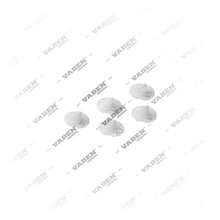
What Is a Caliper Sensor Repair Kit?
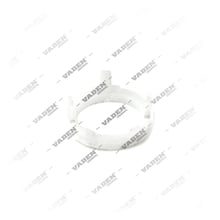
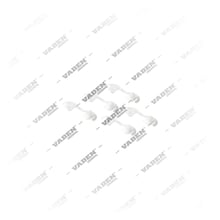
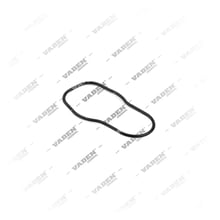
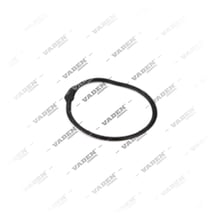
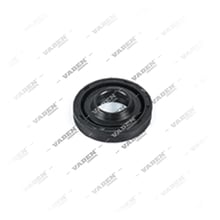
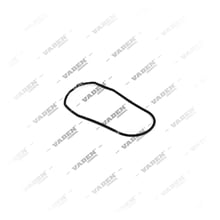
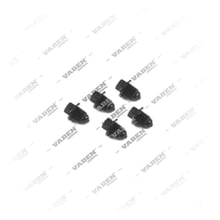
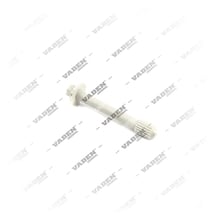
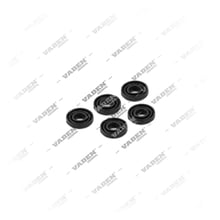
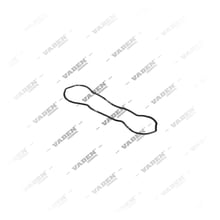
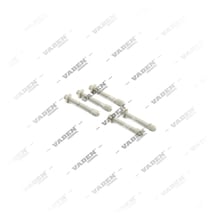
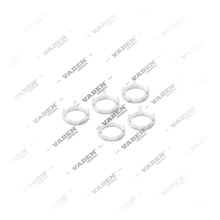
A Caliper Sensor Repair Kit is a complete replacement component set used to repair the brake pad wear sensor circuit located on the brake caliper of heavy commercial vehicles. This kit covers the sensor socket, signal cable, connector pins, sealing O-rings, and the mounting hardware that secures the sensor to the caliper body. Positioned inside the brake caliper, this sensor alerts the dashboard indicator once pad thickness drops below the specified limit. In the field, this part is also referred to as a "brake pad wear sensor repair set," "caliper warning sensor kit," or "brake pad sensor connector." When the sensor circuit fails, instead of replacing the entire caliper, a Caliper Sensor Repair Kit renews only the faulty circuit elements — significantly reducing both labor time and part cost.
How Does a Caliper Sensor Repair Kit Work?
The pad wear sensor operates through a resistance wire or contact tip embedded within the brake pad material. As the pad material wears down to a specific thickness, the wire breaks or the contact point activates, and this change is transmitted to the dashboard indicator as an electrical signal through the sensor cable. The connector and cable assembly inside the Caliper Sensor Repair Kit ensures this signal is transferred without interruption from the caliper to the vehicle wiring harness. The sealing O-rings prevent moisture, dust, and road dirt from reaching the connector, preserving signal integrity. Any contact fault, corrosion, or cable damage in the circuit can trigger false or continuous warnings on the dashboard; the repair kit renews all of these points.
Technical Specifications of the Caliper Sensor Repair Kit
Caliper Sensor Repair Kit components are manufactured to the dimensions and pin layout matching the vehicle's original wiring harness and connector standard. Connector housings are made from heat- and moisture-resistant polymer material engineered for long service life in areas exposed to high humidity and vibration, such as the engine compartment and underbody. Cable cross-sections are selected for conductivity values that prevent signal loss, and the insulation layer resists oil, heat, and abrasion. For torque and tightening values, the vehicle's own service manual reference values always take precedence.
- Connector Material: Heat- and moisture-resistant, vibration-resistant polymer housing.
- Compatibility Criteria: Based on caliper model, connector pin count, and mounting orientation.
- Signal Integrity: Low-resistance conductive cable and corrosion-resistant pin surface.
Types and Subcomponents of the Caliper Sensor Repair Kit
- Sensor Connector Set: Renews the connection between the socket on the caliper and the vehicle wiring harness.
- Signal Cable and Cable Sheathing: Protects the line running from the sensor to the dashboard against wear and friction.
- O-Ring and Sealing Set: Isolates the connector inlet from moisture and dust.
- Mounting Clip and Fastening Elements: Secures the sensor and cable to the caliper body firmly and free of vibration.
- Pin and Terminal Set: Replaces the connection pins inside the connector in case of corrosion or deformation.
- Complete Sensor Cable Assembly: A quick-installation set that combines the connector, cable, and sealing elements into a single unit.
How to Choose the Right Caliper Sensor Repair Kit
Caliper Sensor Repair Kit Selection Criteria| Criterion | Why It Matters |
|---|
| Caliper Model and Brand | The connector socket and mounting point vary by caliper type |
| Connector Pin Count | Incorrect pin layout interrupts signal transmission or triggers a fault code |
| Cable Length | Insufficient length relative to axle and chassis position causes tension and breakage |
| Sealing Class | Determines connector lifespan against road dirt, salt, and moisture |
| Vehicle Application | Sensor type differs by truck, tractor unit, bus, or trailer model |
| OE Reference Match | Matching the original caliper manufacturer's number prevents installation errors |
Maintenance and Key Considerations for the Caliper Sensor Repair Kit
- Keep the Connector Dry and Clean: Make sure no moisture or dirt enters the connector socket during installation.
- Pay Attention to Cable Routing: Secure the cable along its original path, away from moving axle and suspension components.
- Do Not Skip the O-Ring Replacement: Always fit a new sealing element after removing the sensor.
- Fasten the Mounting Clips Securely: A loose clip causes cable fatigue and eventual breakage from vibration over time.
- Check the Sensor During Pad Replacement: When fitting new pads, verify that the sensor tip is positioned correctly against the wear indicator.
- Use Parts Built to Original Specification: Always choose VADEN ORIGINAL components for long-term signal reliability.
Common Faults and Solutions
- Continuous Pad Warning on the Dashboard: Cable break or connector corrosion in the sensor circuit; renew the cable and connector set.
- No Warning Despite Pad Wear: The sensor tip is not contacting the pad wear point; check the sensor position and mounting clip.
- Looseness or Loss of Contact at the Connector: Worn pins or a deformed terminal; replace with the pin and terminal set.
- Cracking in the Cable Insulation: Insulation deterioration due to heat and road dirt; replace the signal cable completely.
- Water or Moisture Entry into the Connector: Damaged or missing O-ring; renew the sealing set and seat the connector correctly.
Why Choose VADEN ORIGINAL?
VADEN ORIGINAL Caliper Sensor Repair Kits are manufactured to OE dimensions and original connector standards, allowing direct installation on the vehicle without any additional adaptation.
- Broad OEM Coverage: Compatible options for Mercedes-Benz, MAN, Scania, Volvo, DAF, Iveco, and Renault Trucks caliper systems.
- Reliable Signal Transmission: Quality-controlled connector and cable elements deliver uninterrupted operation over the long term.
- International Availability: Consistent quality and stock access for workshops through exports to more than 100 countries.
Conclusion
A Caliper Sensor Repair Kit is the economical and practical way to keep the brake pad wear warning system operating reliably. By renewing only the faulty components in the sensor circuit, unnecessary complete caliper replacement is avoided while ensuring the driver receives accurate, timely information about pad condition. Choosing a kit that matches the correct caliper model and OE reference is the key to a trouble-free installation and long service life for the sensor.
Frequently Asked Questions (FAQ)
What does a caliper sensor repair kit do?
A caliper sensor repair kit renews the connector, cable, and sealing elements of the brake pad wear sensor on the brake caliper. This keeps the dashboard warning working accurately and without interruption once pad thickness reaches a critical level.
If the sensor is faulty, does the entire caliper need to be replaced?
In most cases, no. The fault usually occurs in the connector, cable, or sealing element, and these components can be renewed individually with a caliper sensor repair kit. As long as the caliper body itself is sound, a complete replacement is not necessary.
What should be checked first when the pad warning light flashes on the dashboard?
First, check the sensor connector for looseness, corrosion, or cable damage. If the pad is genuinely worn, both the pad and the sensor tip should be replaced together; if not, the circuit elements should be tested.
Which vehicles are VADEN ORIGINAL caliper sensor repair kits compatible with?
VADEN ORIGINAL kits offer options compatible with Wabco and Knorr-Bremse caliper systems used on brands such as Mercedes-Benz, MAN, Scania, Volvo, DAF, Iveco, and Renault Trucks. It is recommended to verify the caliper model and connector pin count before ordering.
Why does the sensor cable fail over time?
Cable insulation can crack or wear over time due to road dirt, salt, vibration, and temperature changes. This can cause a short circuit or a break, leading to false warnings on the dashboard.
Related technical guide: Brake Pad Wear Sensor: Function, Faults & Replacement Guide