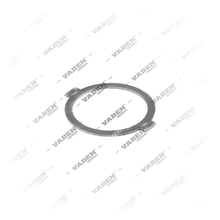
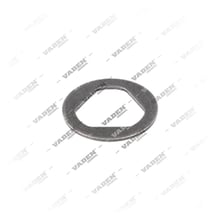
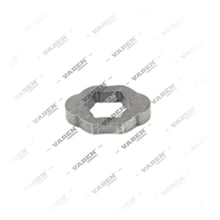
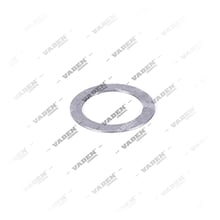
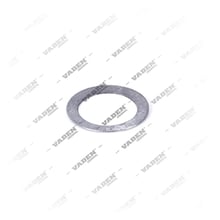
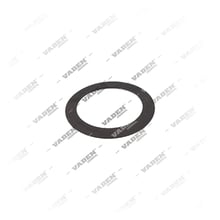
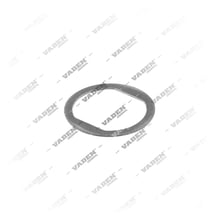
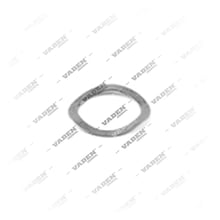
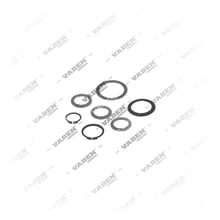
What Is a Caliper Mechanism Shim?
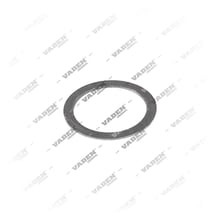
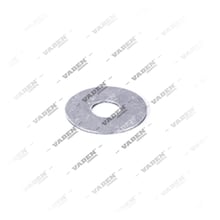
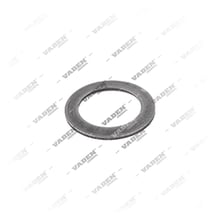
The caliper mechanism shim is a small but functionally critical wear-compensation part fitted between the adjuster mechanism and the caliper body in heavy commercial vehicle disc brake calipers. It is also known as a "caliper adjuster shim," "mechanism washer," or "adjuster spindle shim." The caliper mechanism houses the automatic adjuster that advances the piston-spindle assembly as the pad wears, and the shim maintains correct clearance and axial position between its moving components. On its own it generates no braking force, but without it the adjuster loses precision and caliper performance suffers directly. In the Wabco and Knorr-Bremse disc calipers used on Mercedes-Benz, MAN, Scania, Volvo, DAF, Iveco, and Renault Trucks heavy trucks and buses, this shim is a quiet but indispensable part of smooth mechanism operation.
How Does a Caliper Mechanism Shim Work?
Inside a disc brake caliper, an adjuster spindle and geared hub automatically reset piston position as the pad wears. The caliper mechanism shim sits between this spindle and the caliper body or bridge plate, limiting axial play, regulating friction, and maintaining correct preload. Each time the brake is applied, the mechanism rotates slightly to compensate for clearance; the shim balances the axial pressure during this rotation and keeps the mechanism from loosening.
When the shim wears or shifts out of position, the adjuster can leave too much or too little clearance, producing an inconsistent pad-to-disc gap, uneven pedal response, and premature mechanism fatigue. A correctly sized shim in the right material is a simple, effective way to keep the system within its designed tolerances.
Caliper Mechanism Shim Technical Specifications
Caliper mechanism shims are typically made from hardened steel, stainless steel, or specially coated alloys; some applications use heat-resistant polymer-reinforced variants. Thickness and diameter vary by caliper model rather than a single standard size, following tolerances set by the caliper manufacturer. Rather than quoting an exact torque, preload, or clearance figure, always consult the vehicle or caliper manufacturer's current service manual.
- Material: Hardened or stainless steel with a moisture- and heat-resistant surface treatment.
- Dimensional Tolerance: Caliper-model-specific thickness and diameter, held to a tight tolerance range.
- Surface Quality: Flat, burr-free contact surface for even distribution of the axial load.
- Temperature Resistance: Retains dimensional integrity under sustained brake-generated heat.
Caliper Mechanism Shim Types and Subgroups
- Adjuster Spindle Thrust Shim: Limits axial movement of the adjuster spindle and balances its contact with the geared hub.
- Bridge Plate Shim: Maintains correct distance between the caliper bridge plate and the mechanism housing.
- Geared Hub Shim: Regulates rotational resistance of the automatic adjuster gear and prevents excessive loosening.
- Seal Support Shim: Works with the mechanism seal to keep dust and moisture out.
- Graduated-Thickness Shims: Produced in different thicknesses for fine adjustment (shimming) during assembly.
- Stainless Variants: Preferred for line-haul, port, or winter-service vehicles exposed to heavy salt and moisture.
How to Choose the Right Caliper Mechanism Shim
The first criterion is an exact match to the caliper brand and model; shims that look identical can differ in thickness and diameter across caliper families. A shim of the wrong size makes the mechanism run either too tight, wearing prematurely, or too loose, leaving pad clearance irregular. The table below summarizes the key selection criteria.
Caliper Mechanism Shim Selection Criteria| Criterion | Description |
|---|
| Caliper Compatibility | Correct size and profile for the Wabco or Knorr-Bremse caliper family |
| Material | Hardened or stainless steel, resistant to heat and moisture |
| Thickness Precision | Within the manufacturer's specified tolerance, with fine-adjustment options |
| Surface Finish | Flat, burr-free contact surface with corrosion-resistant coating |
| Operating Environment | Stainless preferred where road salt, moisture, and dust are heavy |
| Reference Source | Confirmed against the caliper overhaul manual and OEM dimension table |
Caliper Mechanism Shim Maintenance and Points to Watch
- Always Renew During Caliper Overhaul: If the shim is removed when the mechanism is opened, fit a new one rather than reusing it.
- Verify the Correct Size: Before installation, check the shim's thickness and diameter against the caliper service manual.
- Keep the Contact Surface Clean: Remove dirt, old grease, and corrosion marks before assembly.
- Avoid Too Much or Too Little Grease: Apply the manufacturer-recommended high-temperature grease in the correct amount.
- Check Mechanism Movement: After assembly, confirm the adjuster mechanism turns freely and consistently.
- Carry Out Periodic Visual Inspection: During brake servicing, check the shim for deformation, cracking, or excessive wear.
Common Faults and Solutions
- Inconsistent Brake Pedal Response: A worn or displaced shim upsets the mechanism clearance; replace it with a correctly sized new shim.
- Uneven Pad Wear: When the mechanism cannot adjust properly, pads wear unevenly; check the shim and mechanism assembly together.
- Squealing or Metallic Noise from the Caliper: A worn or dried-out shim can create metal-to-metal contact; replace the shim and lubricate it with the correct grease.
- Stiffness in the Adjuster Mechanism: A corroded or deformed shim makes rotation difficult; disassemble the mechanism and renew the shim and grease.
- Premature Mechanism Failure: A low-quality or wrong-size shim shortens the life of the geared hub and adjuster spindle; use an OEM-size part.
Why VADEN ORIGINAL?
- Manufactured to OE Dimensions: Caliper mechanism shims match original thickness and tolerance values.
- Broad OEM Coverage: A product range compatible with numerous models across the Wabco and Knorr-Bremse caliper families.
- Durable Material Selection: Heat- and corrosion-resistant steel alloys support precise mechanism operation over the long term.
- Consistent Quality Control: Every batch is inspected for dimensional and surface precision before shipment.
- Exports to More Than 100 Countries: A proven supply network trusted by global fleet operators ensures fast access.
Conclusion
Despite its small size, the caliper mechanism shim is essential for the disc caliper's automatic adjuster to work accurately and consistently. A shim replaced in the right size, material, and time delivers balanced pad wear, consistent pedal response, and a longer mechanism life. VADEN ORIGINAL caliper mechanism shims, manufactured true to OE tolerances, are a reliable choice for protecting the braking safety of heavy commercial vehicle fleets.
Frequently Asked Questions (FAQ)
What does a caliper mechanism shim do?
The caliper mechanism shim balances the axial clearance and preload between the adjuster spindle and the caliper body within the disc caliper's automatic adjuster mechanism. This allows the mechanism to adjust accurately and consistently as the pad wears.
What happens when a caliper mechanism shim wears out?
A worn or displaced shim causes the adjuster mechanism to leave too much or too little clearance. This can result in inconsistent brake pedal response, uneven pad wear, and premature fatigue of the mechanism over time.
How often should a caliper mechanism shim be replaced?
The shim is typically renewed during caliper overhaul or mechanism servicing; reusing it after removal is not recommended. For the exact replacement interval, consult the caliper manufacturer's current service manual.
Which vehicles are VADEN ORIGINAL caliper mechanism shims compatible with?
VADEN ORIGINAL caliper mechanism shims fit the Wabco and Knorr-Bremse disc calipers used on Mercedes-Benz, MAN, Scania, Volvo, DAF, Iveco, and Renault Trucks heavy vehicles. Verifying the caliper brand and model before ordering is recommended.
What is the risk of using the wrong size caliper mechanism shim?
A shim of the wrong thickness or diameter can cause the mechanism to run too tight and wear prematurely, or too loose, leaving pad clearance irregular. This negatively affects both brake performance and mechanism life.