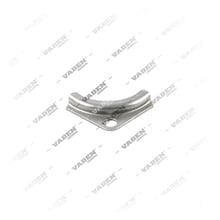
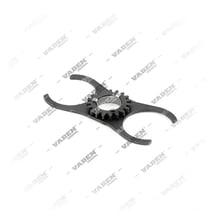
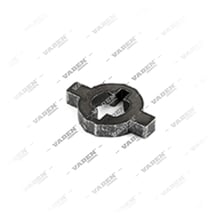
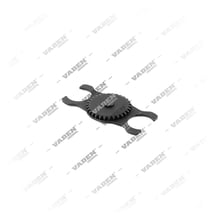
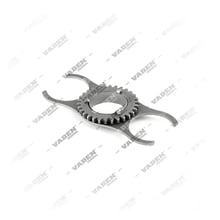
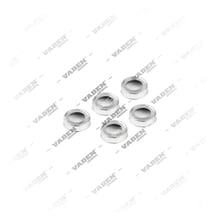
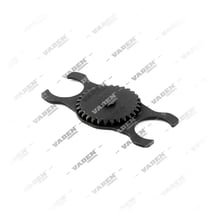
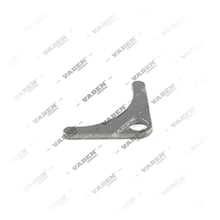
What Is a Caliper Mechanism Plate?
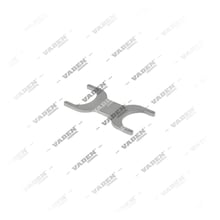
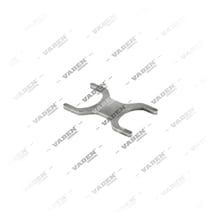
The Caliper Mechanism Plate is one of the stamped steel body and support components that make up the caliper mechanism inside a heavy commercial vehicle's brake caliper. The carrier body, slide mechanism and pad-pressure assembly of a disc brake caliper are built from steel plate parts bolted or welded together, forming the skeleton that transfers piston force to the brake pads. In the field this component is also commonly called the "caliper plate," "caliper body plate" or "mechanism plate." It is widely used in Wabco- and Knorr-Bremse-based caliper assemblies fitted to Mercedes-Benz, MAN, Scania, Volvo, DAF, Iveco, Renault Trucks and BMC heavy trucks and buses. VADEN ORIGINAL caliper mechanism plates are manufactured to OE dimensions, ensuring the caliper mechanism operates in a solid, leak-free manner.
How Does a Caliper Mechanism Plate Work?
When the brake pedal is applied, air or hydraulic pressure moves the caliper piston; this force is transmitted to the pads through the steel plate body and pressure plates inside the caliper mechanism. The mechanism plate forms the load-bearing surface that distributes piston force evenly, helping the pads contact the disc with uniform pressure. The shape and thickness of the plate body directly affect how efficiently braking force reaches the pads; a deformed or corroded plate can cause uneven pad wear.
- Force Transfer: Distributes piston pressure evenly across the pad backing for balanced braking.
- Alignment Support: Helps keep the caliper slides and guide pins running true on their axis.
- Vibration Damping: Reduces noise and vibration at the contact surfaces between mechanism parts.
- Structural Integrity: Forms a solid connecting skeleton between the caliper body and the mechanism components.
Caliper Mechanism Plate Technical Specifications
Caliper mechanism plates are pressed from high-strength steel sheet and are generally finished with a corrosion-resistant coating. Thickness and shape vary by caliper model and the vehicle manufacturer's design, so the correct variant must be selected using the vehicle chassis number or the caliper OEM code before installation. The plate's hole positions, slide seats and pressure surfaces must match the original caliper body to millimeter precision; otherwise piston alignment is disrupted and pad wear becomes uneven. Because exact torque and fitting tolerances vary by vehicle and caliper model, the values in the vehicle manufacturer's current service manual should always be treated as authoritative.
Caliper Mechanism Plate Types and Subcomponents
- Caliper Body Plate: The main carrier plate that holds the piston and pad assemblies.
- Slide Bearing Plate: Forms the surface the caliper slides ride on, preserving alignment.
- Pressure Plate (Anti-Rattle Plate): Reduces vibration and noise between the pad and the mechanism.
- Guide Pin Plate: A support element that keeps the guide pins moving along the correct axis.
- Dust Protection Plate: Shields the mechanism from dust, mud and moisture, extending the life of internal components.
- Mounting and Fixing Plate: The intermediate plate through which the mechanism is bolted to the caliper body.
How to Choose the Right Caliper Mechanism Plate
Choosing the correct caliper mechanism plate requires fully verifying the caliper brand and model, the OEM part number, and the plate's thickness and shape. The table below summarizes the key criteria to consider during selection.
Caliper Mechanism Plate Selection Criteria| Criterion | Checkpoint |
|---|
| Caliper Brand/Model | Exact match with the Wabco or Knorr-Bremse caliper family |
| OEM Part Number | Verification against the code on the vehicle chassis or caliper |
| Plate Thickness and Shape | Millimeter-level match with the original dimensions |
| Hole and Seat Positions | Full alignment of slide, pin and bolt holes |
| Surface Coating | Appropriate coating class for corrosion resistance |
| Vehicle Application | Suitability for truck, tractor, bus or trailer brake systems |
Caliper Mechanism Plate Maintenance and Key Considerations
- Surface Cleaning Before Installation: The caliper body and plate surfaces must be cleared of rust, dirt and old grease residue.
- Correct Torque Value: Fixing bolts should be tightened within the range specified by the vehicle manufacturer; overtightening can deform the plate.
- Slide and Pin Fit: Confirm that contact between the plate and the slides/pins allows free movement.
- Periodic Visual Inspection: Check the plate for cracks, corrosion or shape distortion during brake servicing.
- Moisture and Salt Exposure Monitoring: Corrosion risk increases with winter road salting and humid climates, so inspection frequency should be increased accordingly.
Common Faults and Solutions
- Squealing or Metallic Noise from the Brakes: A worn or cracked pressure plate; the anti-rattle plate set should be replaced.
- Uneven Pad Wear: A deformed body plate disrupts piston alignment; the plate assembly should be renewed to OEM dimensions.
- Sticking in the Caliper Slide: A corroded slide bearing plate obstructs movement; the plate should be cleaned or replaced.
- Vibration at the Brake Pedal: A loose or cracked mounting plate connection; check bolt torque and plate integrity.
- Water or Dust Ingress into the Mechanism: A damaged dust protection plate; renew the protective plate to safeguard internal components.
Why VADEN ORIGINAL?
VADEN ORIGINAL caliper mechanism plates are manufactured to OE dimensions and tolerances, designed to match the caliper body precisely.
- OE-Dimension Manufacturing: Thickness, shape and hole positions match the original caliper body to millimeter precision.
- Broad OEM Coverage: Compatible with European-origin heavy trucks and buses fitted with Wabco and Knorr-Bremse caliper families.
- Corrosion-Resistant Material: High-strength coated steel plate contributes to a long-lasting, quiet-running mechanism.
- Global Quality Assurance: VADEN ORIGINAL products are exported to more than 100 countries, earning the trust of fleet operators and service points.
Conclusion
The Caliper Mechanism Plate is a critical component that forms the load-bearing skeleton of the brake caliper and ensures piston force is transferred to the pads in a balanced way. Correct OEM matching and regular maintenance keep the brake system running quietly, evenly and safely. With OE-quality manufacturing and broad vehicle compatibility, VADEN ORIGINAL caliper mechanism plates offer a reliable solution for service points.
Frequently Asked Questions (FAQ)
What is a Caliper Mechanism Plate and what does it do inside the brake caliper?
The Caliper Mechanism Plate is the carrier steel plate that forms the mechanism inside the brake caliper. It creates the skeleton that transfers piston force to the pads and keeps moving parts such as slides and pins correctly aligned.
What happens if the caliper mechanism plate becomes deformed?
A deformed or corroded mechanism plate disrupts piston alignment and causes the pads to contact the disc unevenly. This leads to irregular pad wear, squealing noise and reduced braking performance.
Which vehicles use the caliper mechanism plate?
VADEN ORIGINAL caliper mechanism plates are used in Wabco and Knorr-Bremse caliper families fitted to Mercedes-Benz, MAN, Scania, Volvo, DAF, Iveco, Renault Trucks and BMC heavy commercial vehicles. Fitment should be verified using the vehicle chassis number or the caliper OEM code.
Does squealing in the brake system come from the caliper mechanism plate?
Yes, worn or cracked pressure and anti-rattle plates are a common cause of metallic squealing in the brakes. In this case the relevant plate set should be inspected and, if necessary, renewed to OEM dimensions.
What should be checked when replacing the caliper mechanism plate?
Before installation, the caliper body and plate surfaces should be cleaned, and the fixing bolts tightened to the torque value specified by the vehicle manufacturer. It should also be confirmed that the slides and pins move freely, and the manufacturer's current service manual should be consulted for exact torque and tolerance values.