What is a Brake Caliper Mechanism Plug?
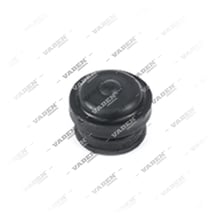
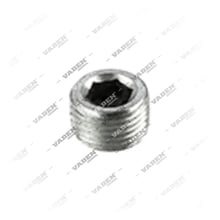
This plug is a simple sealing element that permanently closes holes opened on the caliper mechanism housing for service, adjustment, or assembly purposes. Some caliper types have multiple plugs; one covers the hole used for accessing the adjustment mechanism, while others close auxiliary holes opened during manufacturing or assembly. When the material is rubber-based, it provides both sealing and vibration damping, while plastic-type plugs primarily focus on dust and water resistance.
What are the functions of a Brake Caliper Mechanism Plug?
Despite its small size, the plug performs several important functions for the reliability of the caliper mechanism.
- Sealing: Closes the holes on the mechanism housing, preventing dust, water, and dirt from reaching the internal mechanism.
- Grease retention: Prevents the grease inside the mechanism from leaking out or drying up.
- Corrosion prevention: Cuts off contact between metal surfaces and moisture, reducing the risk of rusting.
- Service access: On some types it is removable, allowing temporary removal during adjustment or inspection operations.
- Vibration damping: On rubber-based plugs, somewhat reduces vibration-induced noise from the mechanism housing.
What are the symptoms of Brake Caliper Mechanism Plug failure?
Although the symptoms are not immediately visible when the plug fails, they affect the overall condition of the mechanism. The most common symptom is water and salty road dirt entering the mechanism as a result of the plug coming loose or cracking; over time this leads to corrosion on gear and shaft surfaces. In a contaminated mechanism, hardening in brake pedal response, improper operation of the pad adjustment mechanism, or squealing noise from the caliper can be felt. At an advanced stage, dirt buildup can cause the automatic adjustment mechanism to lock and pad clearance to increase irregularly, extending braking distance.
How is the Brake Caliper Mechanism Plug checked?
For inspection, the caliper housing is visually examined to check whether the plug is in place and whether it shows cracks or deformation. If the plug has come out or hardened and lost its flexibility, it should be checked whether dirt has entered the mechanism through the hole beneath it. If moisture or rust traces are found around the plug before the mechanism is disassembled, the internal components should also be examined in detail. During periodic maintenance, the soundness of the plugs should be routinely reviewed while cleaning the caliper.
What should be considered during replacement?
During plug replacement, the area around the mechanism hole should first be cleaned, and care should be taken not to let debris from the old plug fall inside. Before installing the new plug, the grease level inside the mechanism should be checked, and grease of the type and amount specified by the manufacturer added if necessary. The plug should be fitted flush into the housing hole, without forcing and in the correct orientation; a crooked or loose fit compromises sealing. On press-fit type plugs, after installation it should be gently pulled to confirm it is fully seated.
Brake Caliper Mechanism Plug technical reference values| Parameter | General range | Note |
|---|
| Plug outer diameter | 15 - 30 mm | Varies by caliper model |
| Material temperature resistance | -30°C to +120°C | Refer to the vehicle's current OE service manual |
| Inspection interval | At every pad replacement | Visual inspection recommended |
| Grease type | High-temperature-resistant special grease | Manufacturer-approved grease should be used |
How to choose a Brake Caliper Mechanism Plug?
The first criterion in selection is exact fit to the caliper model and hole diameter; plug size and fitting type can vary between caliper families. It is important that the material be resistant to road conditions (salt, water, temperature variation) and maintain its flexibility over a long period. Whether it is press-fit or threaded type should be determined to match the original caliper. Parts matching the OE reference number with traceable quality documentation should be preferred over competing aftermarket brands.
Maintenance and service life
Plug service life depends on the road and climate conditions the vehicle operates in; for vehicles operating in salty, wet, or muddy environments, inspection frequency should be increased. At every pad replacement or periodic brake service, plug soundness should be reviewed, and cracked or hardened plugs should be renewed immediately. Under proper maintenance conditions, the plug can generally function trouble-free up to the caliper mechanism's general service interval, i.e. in the 100,000 - 150,000 km range.
VADEN Brake Caliper Mechanism Plug
VADEN applies a manufacturing standard exactly matching OE dimensions and material durability for mechanism plugs it produces for heavy-duty commercial vehicle brake calipers. The product range covers plugs in diameters and types specific to different caliper families, offering workshops a reliable sealing solution.
Frequently Asked Questions (FAQ)
What does a caliper mechanism plug do?
It closes service or assembly holes on the caliper mechanism housing, preventing dust, water, and dirt from reaching the internal mechanism, and preventing grease leakage and corrosion.
What happens if the plug comes out?
Water and dirt enter the mechanism, corrosion begins on gear and shaft surfaces over time, and the pad adjustment mechanism may not operate properly.
What material is the plug made of?
It is typically made of rubber or plastic; the rubber type provides both sealing and vibration damping.
When should the plug be checked?
It should be visually inspected at every pad replacement or periodic brake service; cracked or hardened plugs should be renewed.
What should be considered when replacing the plug?
The area around the hole should be cleaned before installation, the grease level checked, and the plug fitted flush into the housing in the correct orientation.