What Is a Caliper Mechanism Fitting?
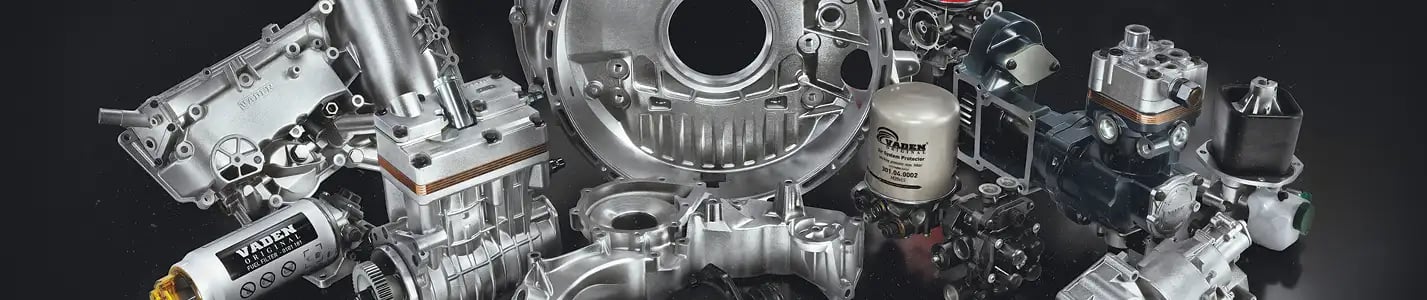
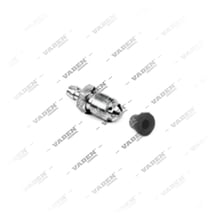
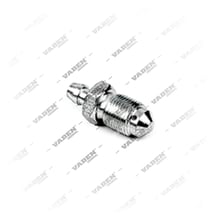
A caliper mechanism fitting is the threaded connector that seals the pressurized link between the mechanism housing inside a heavy commercial vehicle's disc brake caliper and the grease line, lubrication nipple, or connecting hose. In trucks, tractor units, buses, and trailers, the caliper mechanism houses moving components such as adjuster balls, the thrust spindle, and the drive gear, and this area requires regular lubrication. Also known in the field as a "caliper nipple," "mechanism connection fitting," or "grease fitting," this part screws into the mouth of the lubrication channel and forms a leak-tight passage between the grease gun and the mechanism's internal cavity. The caliper mechanism fitting is a small but functional connector specific to the mechanism subgroup within the wider Brake Caliper assembly, and it performs a distinct role separate from the caliper bolt or O-ring.
- Caliper Nipple: the everyday term most commonly used in service workshops.
- Mechanism Grease Fitting: the technical name that highlights the fitting's lubrication function.
- Lubrication Connector: one of the formal descriptions found in parts catalogs.
How Does a Caliper Mechanism Fitting Work?
A caliper mechanism fitting carries a tapered or parallel thread on its outer surface and screws tightly into the lubrication channel of the caliper mechanism housing. Its internal passage directs the pressurized grease from the grease gun toward the adjuster balls and gear surfaces inside the mechanism, maintaining a continuous film of lubricant between the moving components. The sealing face or gasket ring on the fitting's body prevents pressure from escaping during lubrication, ensuring that all of the grease actually reaches the mechanism. Some applications include a one-way ball valve inside the fitting; this valve blocks backflow once the grease gun is withdrawn and holds a stable pressure balance within the channel. Tightening the fitting to the correct torque guarantees both the seal and long-term resistance to thread loosening.
Caliper Mechanism Fitting Technical Specifications
Caliper mechanism fittings are typically manufactured from zinc-plated steel or brass bodies, materials chosen for their corrosion resistance against road salt, moisture, and lubricating grease. Thread size and profile vary by caliper manufacturer and by the lubrication channel standard of the mechanism housing, so matching the part against the original part number or caliper model before ordering is essential. The fitting's internal bore is produced to standard dimensions compatible with grease gun nipples, requiring no additional adapter during installation. Tightening torque varies with fitting size; the vehicle or caliper manufacturer's current service manual should always be consulted for the exact figure.
Caliper Mechanism Fitting Types and Subgroups
- Straight Grease Fitting: screws into the mechanism housing at a right angle; the standard type preferred in tight mounting spaces.
- Angled Grease Fitting: its 45- or 90-degree angled body lets the grease gun connect easily to calipers with limited access.
- One-Way Valve Fitting: an internal ball valve prevents backflow after lubrication and preserves channel pressure.
- Tapered Thread Fitting: the thread itself provides the seal, eliminating the need for a separate gasket.
- Parallel Thread Fitting with Sealing Ring: used together with a separate sealing ring, a type found on some European caliper housings.
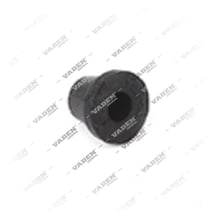
- Dust Cap Fitting: comes with a protective cap that shields the nipple from dirt and moisture when not in use.
How to Choose the Right Caliper Mechanism Fitting
Selecting the correct fitting requires weighing the caliper brand, the thread size of the mechanism housing, and the fitting's angle type together. A fitting with the wrong thread pitch can leak from the channel under grease pressure or damage the thread inside the mechanism housing. The table below summarizes the key criteria to consider during selection.
Caliper Mechanism Fitting Selection Criteria| Criterion | What to Check |
|---|
| Caliper Brand and Model | Thread size varies across caliper families such as Wabco and Knorr-Bremse — match against the OEM reference |
| Thread Type and Pitch | Tapered or parallel thread must match the channel in the existing mechanism housing exactly |
| Body Angle | Choose a straight or angled body depending on the available mounting space |
| Valve Feature | A one-way valve type prevents grease backflow and improves lubrication efficiency |
| Material and Coating | Zinc-plated steel or brass should be chosen for corrosion resistance |
| Sealing Method | Thread sealing or a separate gasket ring must be compatible with the existing system |
Caliper Mechanism Fitting Maintenance and Key Considerations
- Lubricate on Schedule: grease the caliper mechanism at the intervals specified by the manufacturer to keep the fitting and internal mechanism from running dry.
- Tighten to the Correct Torque: do not overtighten the fitting; follow the torque value in the service manual to avoid thread damage and leak risk.
- Keep the Dust Cap in Place: cover the fitting's opening with its dust cap when not in use to block dirt and moisture ingress.
- Catch Leaks Early: if grease buildup appears around the fitting, inspect the sealing face and thread immediately.
- Use the Right Grease When Replacing: use the grease type recommended by the caliper manufacturer to maintain compatibility between the fitting and mechanism.
Common Faults and Solutions
- Grease Leakage Around the Fitting: caused by a worn thread or loose installation; remove the fitting, inspect the thread, and reinstall it at the correct torque.
- Grease Gun Won't Build Pressure: the valve or channel inside the fitting may be blocked; clean the fitting or replace it if necessary.
- Mechanism Feels Stiff to Operate: insufficient lubrication may have worn the gear and balls inside the mechanism; inspect the fitting and switch to a regular lubrication routine.
- Fitting Thread Stripped: may result from an incorrectly sized fitting or excessive torque; inspect the mechanism housing and install a new fitting of the correct size.
- Nipple Tip Broken or Deformed: caused by physical impact or improper grease gun use; replace the fitting completely.
Why Choose VADEN ORIGINAL Caliper Mechanism Fitting?
- Manufactured to OE Dimensions: thread size and profile are produced to match the original caliper mechanism precisely.
- Broad OEM Coverage: a product range cross-referenced to numerous fitments for Wabco and Knorr-Bremse caliper families.
- Corrosion-Resistant Materials: plated steel or brass bodies deliver long service life under road salt and moisture exposure.
- Leak-Tight Connection: precise thread tolerances provide a secure seal even under grease pressure.
- Exported to More Than 100 Countries: VADEN ORIGINAL is a supply source trusted by fleets and workshops worldwide.
Conclusion
Despite its small size, the caliper mechanism fitting plays a critical role in keeping the caliper mechanism properly lubricated and the brake system running smoothly. Choosing a fitting of the correct size and type prevents leaks, extends the mechanism's service life, and lowers maintenance costs. VADEN ORIGINAL caliper mechanism fittings are engineered to OE specifications with broad compatibility, supporting the braking safety of heavy commercial vehicle fleets.
Frequently Asked Questions (FAQ)
What does a caliper mechanism fitting do?
A caliper mechanism fitting creates a leak-tight connection between the grease gun and the internal cavity of the caliper mechanism. This allows the adjuster balls and gear surfaces inside the mechanism to be lubricated regularly, preventing wear and stiffening.
What is the difference between a caliper mechanism fitting and an O-ring or bolt?
The fitting is the threaded lubrication nipple that connects the grease line to the mechanism; the bolt secures the mechanism to the caliper housing, while the O-ring provides static sealing between two surfaces. All three are separate parts serving different functions within the caliper mechanism.
What should be done if the fitting is leaking?
First check the fitting's torque value and thread condition; a loose or worn thread is the most common cause of leakage. If the problem persists, remove the fitting and replace it with a new one of the correct size.
How often should a caliper mechanism fitting be replaced?
The fitting itself is generally not a wear part, but it should be replaced if thread damage, leakage, or deformation at the nipple tip is observed. The area around the fitting should be checked regularly during lubrication.
Which vehicles are VADEN ORIGINAL caliper mechanism fittings compatible with?
VADEN ORIGINAL fittings are manufactured to dimensions compatible with the Wabco and Knorr-Bremse caliper mechanisms widely used in heavy commercial vehicles. For exact compatibility, comparing the caliper model and OEM reference number is recommended.