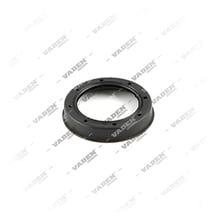
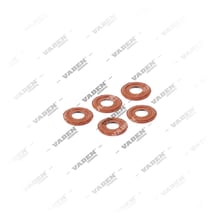
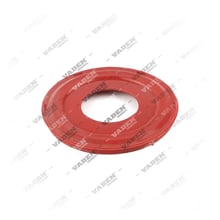
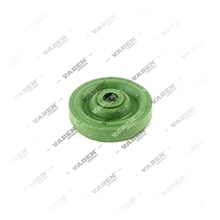
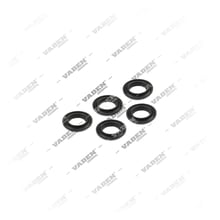
What Is a Caliper Cover Seal?
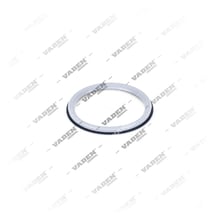
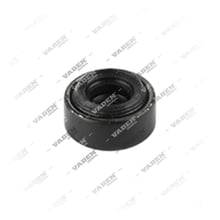
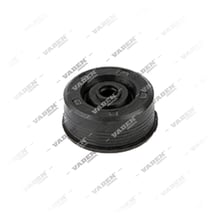
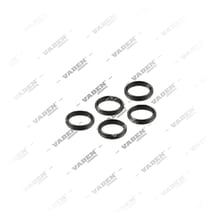
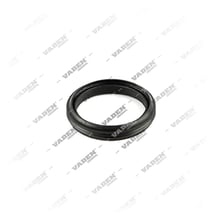
The caliper cover seal is a small but critical sealing component in the disc brake calipers of heavy commercial vehicles, sealing the joint between the caliper cover and the caliper body against the outside environment. In the field it is also called the "cover gasket," "caliper cover rubber," or "cover sealing ring." Since the cover shields areas such as the air passage, pushrod bearing, or a service access point, the seal beneath it keeps dust, water, road salt, and mud out. Positioned in the Brake Caliper > Caliper Cover > Seal chain, this component may look as small as the cover itself, yet it directly protects the moving parts and metal surfaces inside the caliper from corrosion.
How Does a Caliper Cover Seal Work?
The caliper cover seal sits between the cover and the caliper body; once the cover is fitted, it is compressed to form a barrier. This barrier keeps moisture and dirt out of the caliper's interior when the vehicle meets demanding conditions such as mud, standing water, or high-pressure washing. Because the area beneath the cover typically houses pushrod seals, the adjuster mechanism, or air connections, the seal's job is to keep this sensitive zone dry and clean. A seal that hardens or cracks over time loses its sealing capability, and the metal surfaces under the cover begin to corrode; as corrosion progresses, removing the cover becomes increasingly difficult.
Caliper Cover Seal Technical Specifications
The caliper cover seal is typically made from synthetic rubber or NBR/EPDM materials that resist high temperatures and oil/grease exposure, allowing it to withstand thermal fluctuations in the brake area and outdoor conditions over the long term. Its size varies with the cover's diameter and recess depth, so matching the seal's dimensions to the specific caliper brand and model is essential. The cross-section is usually an O-ring or lip-seal profile, designed to generate uniform sealing pressure together with the cover's tightening torque. If the hardness (Shore A) is too soft, early deformation can occur; if too hard, sealing may be inadequate — adhering to OEM reference values is recommended.
- Material: Heat- and oil/grease-resistant synthetic rubber based on NBR or EPDM.
- Cross-Section Profile: O-ring or lip-seal form, designed to seat fully in the cover recess.
- Hardness Value: Balanced hardness in Shore A, matched to the cover's tightening torque.
- Fitting Tolerance: Brand/model-specific dimensional match based on cover diameter and recess depth.
Caliper Cover Seal Types and Subgroups
- O-Ring Type Cover Seal: The most common type, with a circular cross-section that seats in the cover recess and seals by compressing radially.
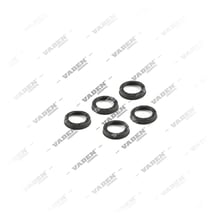
- Lip-Type Cover Seal: With a single or double lip design, it provides both a dust and a moisture barrier and is preferred for harsher operating conditions.
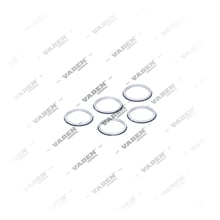
- Flat Gasket-Type Cover Seal: A sealing component with a wide contact area, fitted flat between the cover surface and the caliper body.
- Heat-Resistant Special-Compound Seal: A specially formulated version produced for covers located close to the high temperatures generated during braking, retaining its hardness under heat.
- Small Service Cover Seal: A smaller-diameter seal group used on small service access covers such as the pushrod adjustment point.
How to Choose the Right Caliper Cover Seal
The first criterion in selecting a caliper cover seal is the correct size and profile for the caliper brand and model; an incorrectly sized seal will not seal properly even if it appears to fit. The second criterion is the vehicle's operating environment: for vehicles washed frequently or run on dusty or salted roads, lip-type seals last longer. Third, the cover's tightening torque must match the seal's hardness, otherwise the cover stays loose or the seal is crushed and loses its function. The table below compares recommended seal characteristics by cover type.
Cover Seal Selection Criteria by Caliper Cover Type| Cover Type | Recommended Seal Profile | Key Feature |
|---|
| Pushrod Service Cover | O-ring type | Compact design, easy fitting |
| Main Caliper Access Cover | Lip-type seal | Dual dust and moisture barrier |
| Air Connection Cover | Flat gasket type | Wide contact surface |
| Adjuster Mechanism Cover | Heat-resistant special seal | High temperature resistance |
| Small Access Cover | Small service seal | Fits narrow recesses |
Caliper Cover Seal Maintenance and Points to Watch
- Clean the Recess Before Fitting: Old seal remnants or dirt in the cover recess can prevent the new seal from seating fully and cause premature leakage.
- Apply the Correct Tightening Torque: Over-tightening crushes and deforms the seal, while under-tightening compromises sealing; follow the vehicle manufacturer's current service manual.
- Limit How Often the Cover Is Removed and Refitted: Each cycle increases the risk of the seal losing its shape; replace it during periodic maintenance whenever possible.
- Do Not Skip Visual Inspection: During periodic maintenance, check the seal for cracking, hardening, or permanent crushing.
- Ensure Material Compatibility: Make sure grease or cleaning chemicals are compatible with the seal material; incompatible chemicals can cause premature rubber deterioration.
Common Faults and Solutions
- Water/Moisture Leakage from Beneath the Cover: Caused by a hardened or cracked seal; remove and replace it with a new one of the same size.
- Signs of Rust Beneath the Cover: Caused by a seal that has lost its shape over time; remove the cover, clean the recess, and fit a new seal.
- Cover Is Difficult to Remove: Caused by the seal sticking to the metal surface or corrosion buildup; remove the cover carefully, clean the recess, and renew the seal.
- Visible Dirt/Dust Buildup Around the Cover: Caused by a seal that has lost its lip sealing function; replace with a lip-type seal.
- Early Leakage After Fitting: Caused by incorrect sizing or improper torque; source a correctly sized seal and apply the torque value per the service manual.
Why VADEN ORIGINAL?
- Manufactured to OE Dimensions: The seal is produced to match the original caliper cover's size and profile exactly.
- Broad OEM Coverage: Available in sizes suited to Mercedes-Benz, MAN, Scania, Volvo, DAF, Iveco, and Renault Trucks calipers.
- Durable Material Selection: Heat- and chemical-resistant compounds keep the seal reliable under brake-area conditions long term.
- Exported to More Than 100 Countries: A dependable solution for fleet operators, backed by globally tested quality standards.
Conclusion
Although small, the caliper cover seal is an essential sealing component that protects the mechanisms beneath the cover from moisture, dirt, and corrosion. Choosing the correct size in OE quality supports easy removal and refitting of the cover and the brake system's long-term reliability. VADEN ORIGINAL caliper cover seal products are manufactured to meet this small but critical component to OE standard across the maintenance of heavy commercial vehicle fleets.
Frequently Asked Questions (FAQ)
What does a caliper cover seal do?
The caliper cover seal closes off the joint between the caliper's cover section and its body against the outside environment, preventing dust, water, and road salt from entering beneath the cover. This protects the mechanisms under the cover from corrosion and makes caliper maintenance easier.
When should a caliper cover seal be replaced?
It should be replaced with a new seal whenever cracking, hardening, or permanent crushing is visible, when moisture leakage is noticed beneath the cover, or every time the cover is removed and refitted. Visual inspection during periodic maintenance is important for early detection.
What happens if an incorrectly sized caliper cover seal is fitted?
An incorrectly sized seal cannot generate adequate sealing pressure, even if the cover appears to seat properly. This quickly leads to moisture and dirt ingress, followed by rusting beneath the cover and difficulty removing the cover later on.
Which vehicles is the caliper cover seal compatible with?
VADEN ORIGINAL caliper cover seal products are offered in sizes suited to the calipers of Mercedes-Benz, MAN, Scania, Volvo, DAF, Iveco, and Renault Trucks heavy commercial vehicles. Confirming the correct size for the caliper brand and model before ordering is recommended.
What should be considered when fitting a caliper cover seal?
The cover recess should be cleaned before fitting, the correct tightening torque applied, and the seal seated evenly without being crushed. Referring to the vehicle's current service manual for the torque value prevents premature damage to the seal.