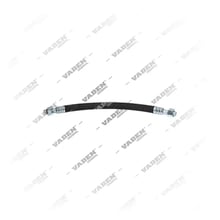
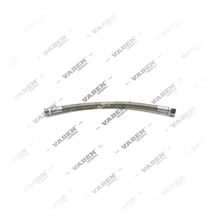
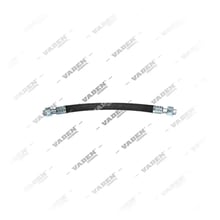
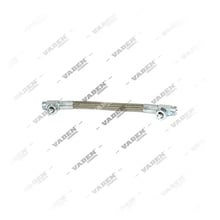
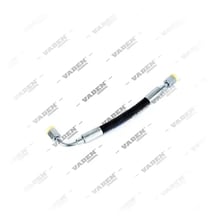
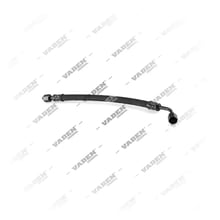
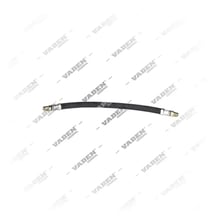
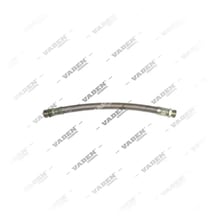
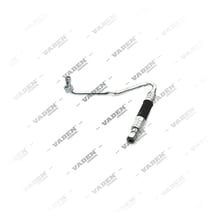
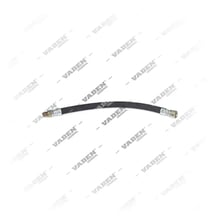
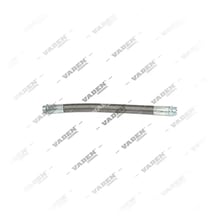
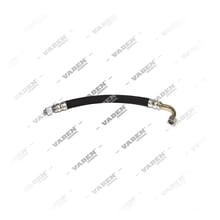
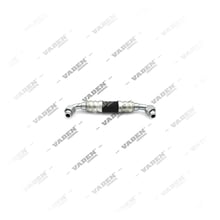
What Is a Compressor Parts Hose?
Compressor Parts Hose covers the flexible tubing that carries air and oil between the connection points on the intake, pressure and lubrication lines of the air brake compressor fitted to heavy commercial vehicles. The compressor draws oil from the engine block, pulls in air from the atmosphere, and delivers the compressed air to the governor or the air dryer; all three flows run through hoses attached to the compressor. In the field these parts are sometimes called the "compressor pipe" or "pressure line hose." Built from rubber or braided construction that resists vibration, high heat and engine oil, they keep the line flexible and leak-tight even when the compressor's mounting position changes from one vehicle to another. The Compressor Parts Hose products in this category are manufactured to fit the Wabco and Knorr-Bremse type compressors used on Mercedes-Benz, MAN, Scania, Volvo, DAF, Iveco, Renault, BMC and Ford heavy-duty vehicles.
How Does a Compressor Parts Hose Work?
As the compressor runs off the engine's drive, it draws in outside air through the intake hose and pressurizes it inside the compression chamber. At the same time, oil from the engine's lubrication circuit reaches the compressor's moving internal parts through the lubrication hose, reducing friction. The compressed air is then routed through the pressure line hose to the governor or directly to the air dryer, from where it continues on to the brake air reservoir. The inside diameter and wall thickness of the hoses directly affect the flow rate and pressure resistance of these three circuits. Whenever a hose develops a crack, becomes porous, or a fitting works loose, problems such as air loss, a drop in oil pressure or an under-fed compressor appear; the integrity of the hose line is critical to reliable brake system operation.
- Intake Flow: Outside air passes through the filter and reaches the compressor inlet.
- Lubrication Flow: Engine oil feeds the moving internal parts and reduces friction.
- Pressure Delivery Flow: Compressed air is routed to the governor or the air dryer.
Technical Specifications of Compressor Parts Hose
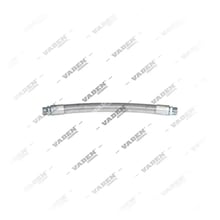
Compressor hoses are manufactured in different materials depending on where they are applied. Hoses used on the lubrication line are made from synthetic rubber compounds (NBR/FKM-derived) that withstand engine oil at high temperature, while pressure line hoses feature an internal steel or textile braid reinforcement so they can withstand repeated pressure fluctuations. Intake line hoses generally have a wider inside diameter and offer low resistance to airflow. Fittings, clamps or flange designs are used at the end connections to ensure a leak-tight seal, and their dimensions vary by compressor model. Because temperature resistance, pressure class and diameter can differ by vehicle and compressor model, the part should be compared against the existing hose or the vehicle manufacturer's current service manual before installation; never proceed with a guessed dimension or pressure rating.
Types and Subcategories of Compressor Parts Hose
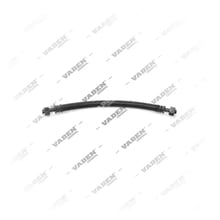
- Oil Feed Hose: Carries oil from the engine's oil circuit to the compressor's internal lubrication points.
- Oil Return Hose: Returns the oil used in the compressor back to the sump or oil circuit.
- Intake (Suction) Hose: Delivers outside air, or air coming from the air filter, to the compressor inlet.
- Pressure Outlet Hose: Transfers compressed air from the compressor to the governor or the air dryer.
- Coolant Hose: On water-cooled compressors, circulates fluid between the engine cooling circuit and the compressor housing.
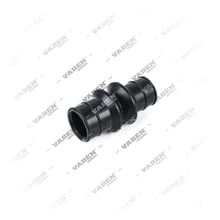
- Fittings and Clamps: Secure the hose ends to the compressor and the line with a leak-tight seal.
How to Choose the Right Compressor Parts Hose
When choosing the right hose, first identify the function of the line (oil, air or coolant), then check the inside diameter, length and connection type that match the compressor model. On pressure line hoses, the working pressure class must meet the compressor's maximum outlet pressure, while oil hoses need a material that withstands engine oil and heat. The table below summarizes the key criteria for each hose type.
Compressor Parts Hose Selection Criteria| Hose Type | Fluid Carried | Primary Selection Criterion |
|---|
| Oil Feed Hose | Engine oil | Heat-resistant rubber compound, correct fitting type |
| Oil Return Hose | Engine oil (low pressure) | Flexibility, diameter matched to sump connection |
| Intake Hose | Atmospheric air | Wide inside diameter, low flow resistance |
| Pressure Outlet Hose | Compressed air | High pressure class, braided reinforcement |
| Coolant Hose | Engine coolant | Fluid-tight seal, temperature resistance |
Maintenance and Points to Watch for Compressor Parts Hose
- Carry Out Periodic Visual Inspections: Regularly check the hose surface for cracking, swelling or hardening.
- Keep Connections Tight: Make sure clamps and fittings are torqued correctly; a loose connection leads to an air or oil leak.
- Keep Hoses Away from Hot Surfaces: Make sure hoses do not contact areas that run hot, such as the exhaust manifold.
- Route Hoses Correctly: Install the hose without sharp bends, following the routing specified by the manufacturer.
- Check Oil and Chemical Compatibility: Make sure the engine oil and any cleaning chemicals used are compatible with the hose material.
- Use Original-Size Parts: Always choose VADEN ORIGINAL hoses and fittings when replacing.
Common Failures and Their Solutions
- Oil Leak Around the Compressor: A cracked or hardened oil feed hose; replace the hose and its connection gasket.
- Low System Pressure: A micro-crack or loose fitting in the pressure outlet hose; inspect the hose and replace it if needed.
- Compressor Overheating: A blockage or leak in the coolant hose; clean or replace the hose and check the cooling circuit.
- Whistling Noise or Air Leak Sound: A loose clamp on the intake or pressure line; tighten the clamps and renew them if worn.
- Premature Wear from Insufficient Lubrication: A blockage in the oil return hose; remove and clean the hose, replacing it if necessary.
Why VADEN ORIGINAL?
- Manufactured to OE Dimensions: Compressor hoses are produced true to the original inside diameter, length and connection geometry.
- Broad OEM Coverage: Compatible with Wabco and Knorr-Bremse compressors, offering multi-brand heavy commercial vehicle application.
- Durable Material Construction: Manufactured with components that withstand high temperature, oil exposure and pressure fluctuations.
- Exports to More Than 100 Countries: A quality standard trusted by service networks and fleet operators worldwide.
Conclusion
Compressor Parts Hose consists of components that look small but are functionally critical, connecting the air, oil and coolant circuits of the air brake compressor. When selected and installed with the correct material, the correct dimensions and regular inspection, they support the compressor's efficient operation and the reliability of the brake system. With VADEN ORIGINAL quality hoses, unexpected downtime and failure-related costs across heavy commercial vehicle fleets can be prevented.
Frequently Asked Questions (FAQ)
What does a Compressor Parts Hose do?
These hoses ensure that air and oil are safely carried between the relevant connection points on the intake, pressure outlet and lubrication lines of the air brake compressor. They preserve the seal while allowing the compressor to run continuously and consistently.
How can you tell if a compressor hose is leaking?
Signs include an oil stain around the compressor, a whistling air-leak sound, low system pressure or unexpected overheating. If any of these appear, the hose and its connection points should be checked immediately.
Which vehicles are compressor hoses compatible with?
VADEN ORIGINAL compressor hoses are manufactured to fit the Wabco and Knorr-Bremse compressors used on Mercedes-Benz, MAN, Scania, Volvo, DAF, Iveco, Renault, BMC and Ford heavy-duty vehicles. The vehicle and compressor model should be verified before installation.
What should be checked when replacing a hose?
Make sure the hose has the correct inside diameter, length and connection type, avoid sharp bends, and tighten clamps to the proper torque. Routing the hose away from hot surfaces extends its service life.
What is the difference between an oil feed hose and a pressure hose?
The oil feed hose carries engine oil to the compressor's internal lubrication points, while the pressure hose delivers compressed air from the compressor to the governor or air dryer. The two require different materials and pressure ratings.