
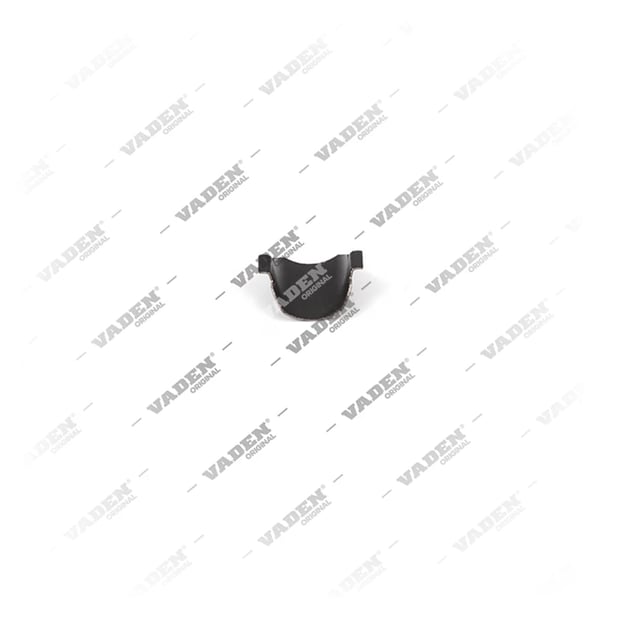
4505003 Brake Caliper Mechanism
4505003
Summary
The 4505003 brake caliper mechanism is a high-strength component designed for heavy commercial vehicle air disc brake systems. This precision-engineered crankshaft component ensures efficient force multiplication and reliable braking performance under demanding operating conditions.
| EAN Code | 8683457028302 |
|---|
Ready to Order
Description
The braking performance of a heavy commercial vehicle relies heavily on the precision of its internal mechanical components. This crankshaft mechanism serves as a critical element within the air disc brake caliper, responsible for converting pneumatic force into the high clamping force required to press the brake pads against the disc during deceleration.
The 4505003 is the OE equivalent of the specialized braking mechanism used in heavy-duty air disc brake systems. This component is engineered to maintain structural integrity and consistent mechanical action even under extreme thermal cycles and high-pressure environments. It plays a vital role in the overall stability of the braking system during both standard operation and emergency braking maneuvers.
For workshop technicians, maintaining the integrity of the caliper mechanism is essential for fleet safety. This part is designed to work seamlessly with standard air brake calipers, ensuring that the force multiplication through the internal lever or bridge remains precise. Regular inspection of these internal components can prevent brake fade and ensure consistent stopping power across all vehicle loads.
When performing maintenance or system repairs, always verify that the component matches the specific requirements of the vehicle's braking architecture. Using high-strength, precision-engineered parts like this one helps to extend the service life of both the pads and the discs while maintaining peak system efficiency.
The 4505003 is the OE equivalent of the specialized braking mechanism used in heavy-duty air disc brake systems. This component is engineered to maintain structural integrity and consistent mechanical action even under extreme thermal cycles and high-pressure environments. It plays a vital role in the overall stability of the braking system during both standard operation and emergency braking maneuvers.
For workshop technicians, maintaining the integrity of the caliper mechanism is essential for fleet safety. This part is designed to work seamlessly with standard air brake calipers, ensuring that the force multiplication through the internal lever or bridge remains precise. Regular inspection of these internal components can prevent brake fade and ensure consistent stopping power across all vehicle loads.
When performing maintenance or system repairs, always verify that the component matches the specific requirements of the vehicle's braking architecture. Using high-strength, precision-engineered parts like this one helps to extend the service life of both the pads and the discs while maintaining peak system efficiency.
Related Products
Products Used in
FAQ
What is the primary function of this component in a braking system?
This mechanism acts as a force multiplier within an air disc brake caliper, converting air pressure into the clamping force needed to press brake pads against the disc.
Is this part suitable for heavy commercial vehicles?
Yes, this component is specifically designed for heavy commercial vehicle air disc brake systems to ensure reliable and safe braking performance.
Can this part be used in any standard air brake system?
This part is designed for specific air disc brake caliper architectures; technicians should always verify compatibility with the specific vehicle's braking system.
What are the signs of a failing caliper mechanism?
Technicians should look for inconsistent braking force or issues with how the internal lever/bridge responds to pneumatic input, which may indicate wear in the mechanism.
Does this component help prevent brake fade?
By ensuring precise force multiplication and reliable mechanical action, this high-strength component helps maintain consistent braking performance under heavy loads.