
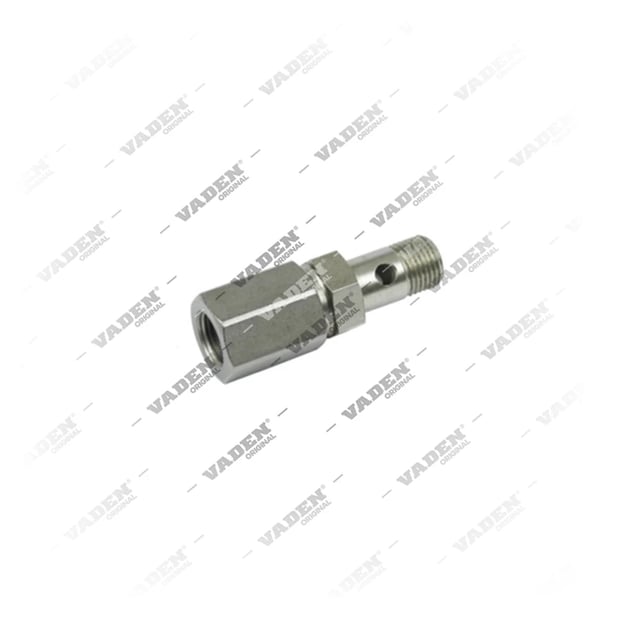
0101 041 MERCEDES BENZ Overflow Valve, Injector Pump
0101 041
Summary
The VADEN ORIGINAL 0101 041 is a high-strength component designed for the Fuel System. This Overflow Valve, Injector Pump is engineered to be compatible with MERCEDES BENZ (5410700246, 5410700546, 5410700646) and LASO (20071505) systems, ensuring precise pressure regulation in heavy-duty applications.
| EAN Code | 8699031061429 |
|---|
Ready to Order
Compatible OEM Codes
-
MERCEDES BENZ
- 541 070 06 46
- 541 070 05 46
- 541 070 02 46
-
LASO
- 20071505
Description
The 0101 041 component serves as a critical element within the fuel injection system, specifically acting as an overflow valve to maintain stable pressure. This part is engineered with high-strength components to ensure reliable performance under demanding operating conditions in heavy commercial vehicles. It plays a vital role in preventing pressure spikes and ensuring the smooth functioning of the injector pump system.
This product is a direct OE equivalent for the MERCEDES BENZ 5410700246, 5410700546, and 541070064 and is also compatible with LASO 20071505. The 0101 041 is the OE equivalent of the MERCEDES BENZ Overflow Valve, Injector Pump used in heavy-duty vehicle systems. Its precise manufacturing ensures seamless integration with existing fuel delivery architectures.
For workshop technicians and fleet managers, maintaining the fuel system integrity is essential. When replacing an injector pump overflow valve, ensuring the component meets the exact specifications of the vehicle is crucial for preventing system failures. This part is designed for straightforward installation to minimize downtime during routine maintenance or repairs.
Regular inspection of the fuel system components can prevent unexpected downtime. Using high-grade parts like this one ensures that the pressure regulation remains consistent throughout the engine's operation cycle.
This product is a direct OE equivalent for the MERCEDES BENZ 5410700246, 5410700546, and 541070064 and is also compatible with LASO 20071505. The 0101 041 is the OE equivalent of the MERCEDES BENZ Overflow Valve, Injector Pump used in heavy-duty vehicle systems. Its precise manufacturing ensures seamless integration with existing fuel delivery architectures.
For workshop technicians and fleet managers, maintaining the fuel system integrity is essential. When replacing an injector pump overflow valve, ensuring the component meets the exact specifications of the vehicle is crucial for preventing system failures. This part is designed for straightforward installation to minimize downtime during routine maintenance or repairs.
Regular inspection of the fuel system components can prevent unexpected downtime. Using high-grade parts like this one ensures that the pressure regulation remains consistent throughout the engine's operation cycle.
Other OEMs
LASO
- 20071505
MERCEDES BENZ
- A5410700646
- A5410700546
- A5410700246
- 5410700646
- 5410700546
- 5410700246
- 541.070.0646
- 541.070.06.46
- 541.070.0546
- 541.070.05.46
- 541.070.0246
- 541.070.02.46
- 541 070 0646
- 541 070 0546
- 541 070 0246
- 541 070 06 46
- 541 070 05 46
- 541 070 02 46
Vehicles Used
| Brand | Model | Model Type | Engine |
|---|---|---|---|
| LASO | |||
| MERCEDES BENZ |
FAQ
What is the function of this injector pump overflow valve?
It regulates and manages pressure within the fuel injection system to ensure stable operation and prevent damage to the pump components.
Which OEM numbers are compatible with this part?
This part is compatible with the following OE numbers: 5410700246, 5410700546, 5410700646, and 20071505.
Is this part suitable for heavy commercial vehicles?
Yes, it is designed specifically for heavy commercial vehicle applications requiring high-strength components and reliable fuel regulation.
Can I use this as a replacement for my Mercedes Benz vehicle?
Yes, it serves as an OE-grade equivalent for specific Mercedes Benz and LASO systems to ensure proper fitment and performance.
What should I check if my fuel system pressure is unstable?
Technicians should inspect the injector pump and its overflow valve for signs of wear or blockage to restore consistent pressure regulation.