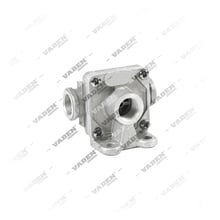
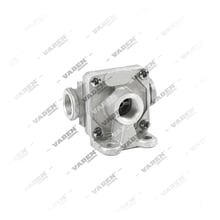
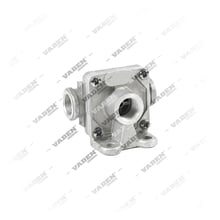
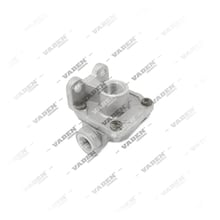
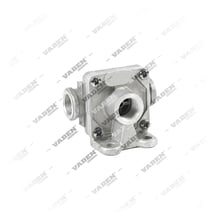
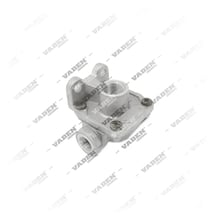
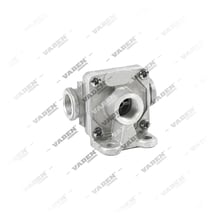
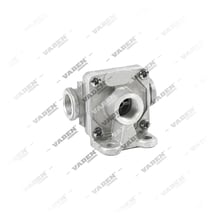
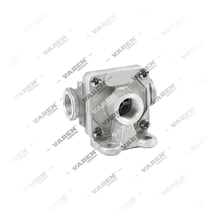
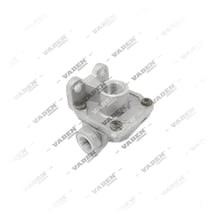
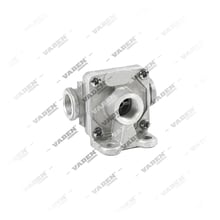
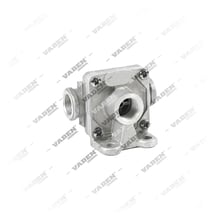
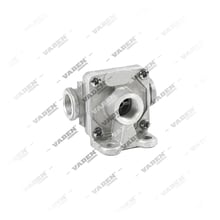
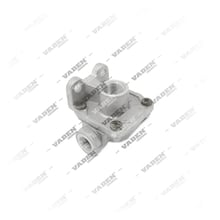
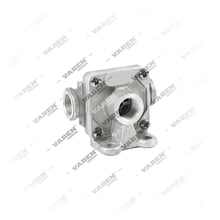
What Is a Quick Release Valve?
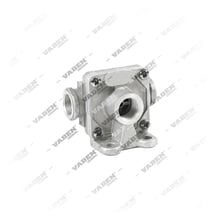
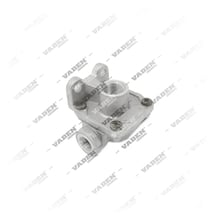
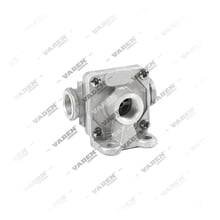
A quick release valve is an air brake component that rapidly vents pressure from the brake chambers so the brakes release faster on heavy-duty vehicles equipped with air brake systems. The moment the driver lifts off the brake pedal, the valve opens. It dumps the air from the brake chambers straight out through the valve body to atmosphere, rather than forcing that air to travel back along the entire delivery line to the treadle valve. That shortens brake response time, lets the brakes release quickly and evenly, and helps keep the wheels from overheating due to prolonged friction. You will usually find the quick release valve mounted close to the rear axle brake chambers, and it is standard fitment on the air brake circuits of trucks, tractor units, buses and trailers.
What Does a Quick Release Valve Do?
The valve gets air out of the system fast. As soon as the pedal is released, it dumps the air trapped in the brake chambers straight out through the valve body to atmosphere, which cuts exhaust time dramatically. Pressure comes off quickly, so the brakes disengage almost instantly, and that shorter brake response time is what improves overall stopping performance.
The release is balanced as well as rapid. That supports more controlled braking and better brake balance across the axle, which helps prevent wheel lock-up. Unnecessary drag is eliminated too, so brake pads, drums and discs have a longer service life. And a brake system that keeps running efficiently makes the whole vehicle better to drive, with more comfort for the driver.
Technical Specifications
| Specification | Description |
|---|
| Product Group | Quick Release Valve |
| Parent System | Brake System (Air Brake Circuit) |
| Application | Heavy-duty trucks, tractor units, buses and trailers |
| Operating Environment | Compressed air (pneumatic) brake circuit |
| Main Components | Valve body, air inlet/outlet ports, diaphragm, sealing gaskets, mounting hardware |
| Mounting Position | Typically on the line close to the rear axle brake chambers |
| Material | Durable, corrosion-resistant valve body |
| Compatible Brands | Mercedes-Benz, MAN, Scania, Volvo, DAF, Iveco, Renault, BMC, Ford; Wabco / Knorr-Bremse air brake systems |
| Standard | Manufactured to OEM (original equipment manufacturer) standards |
Quick Release Valve Construction and Sub-Components
The valve body is the main housing, and it directs and vents the brake pressure. Then there are the air inlet and outlet ports, the channels that feed pressure to the brake chambers and, during release, vent it to atmosphere. The moving part inside is the diaphragm (valve diaphragm), which balances and directs the air pressure while the valve exhausts.
Sealing gaskets prevent air leaks and keep pressure moving correctly through the circuit, while the mounting hardware secures the valve firmly and correctly to the chassis or axle.
Quick Release Valve Maintenance
Test the fittings and the valve body for leaks at regular intervals, and listen for any hissing sound. Routine cleaning of the valve body and diaphragm stops dust and dirt from building up inside the valve. The sealing gaskets deserve a close look too. Worn or damaged gaskets can cause air leaks, so replace them when needed.
The air passages need to stay clear as well. Check the ports regularly, because a blockage there slows down air exhaust. Lubricate the moving parts and follow the recommended maintenance intervals, so the diaphragm and the moving parts keep operating smoothly.
Common Faults and Solutions
Brakes that are slow to release after the pedal is lifted can mean the valve is faulty, so check the valve body and the diaphragm. Increased stopping distance is another sign of trouble. A malfunctioning quick release valve stops the brakes from releasing fast enough, and in that case valve replacement may be required. If you hear a hiss near the valve as the pedal is released, it usually points to worn seals or a leaking valve body.
Delayed air exhaust also keeps the brakes engaged longer than necessary, which can leave you with overheated brake linings. Wear takes its toll as well, since worn internal components slow down pressure release over time and performance drops. At that stage, consider a repair kit or a full valve replacement.
Why Choose VADEN ORIGINAL?
VADEN ORIGINAL quick release valves are manufactured to OEM (original equipment manufacturer) standards, so they fit precisely on the vehicle make and model they are matched to. The valve body and internal components use a durable, corrosion-resistant material and are built to withstand harsh weather and heavy-duty use. Pressure control is precise too: the valve vents air quickly and evenly, which gives consistent, dependable brake performance.
Fitting is easy. The drop-in design is compatible with standard heavy-duty air brake systems, so replacement is quick and hassle-free, and the valve needs little maintenance. A broad range covers Mercedes-Benz, MAN, Scania, Volvo, DAF, Iveco and Renault, backed by warranty and technical support.
Frequently Asked Questions (FAQ)
What does a quick release valve do on a truck?
A quick release valve is the air brake component that lets the brake chambers empty quickly. The moment the driver releases the pedal, it vents the air pressure from the chambers straight to atmosphere instead of routing it back through the whole line, so brake release time is shorter and overall stopping performance on heavy-duty vehicles improves.
What are the symptoms of a bad quick release valve?
A faulty quick release valve typically causes delayed brake release, longer stopping distances, a hissing air leak near the valve, and overheated brake linings. If you notice any of these symptoms, the valve and its seals should be inspected.
Where is the quick release valve located?
On most heavy-duty trucks, tractor units, buses and trailers, the quick release valve sits on the air brake line close to the rear axle brake chambers, allowing brake air to vent quickly at that point in the circuit.
Which vehicles use a quick release valve?
Quick release valves are used on trucks, tractor units, buses, trailers and other heavy-duty vehicles fitted with air brake systems. VADEN ORIGINAL quick release valves are available for Mercedes-Benz, MAN, Scania, Volvo, DAF, Iveco, Renault, BMC and Ford, and are compatible with Wabco and Knorr-Bremse air brake systems.
How do you diagnose an air leak in a quick release valve?
A whistling or hissing sound coming from around the valve when the brake pedal is released usually indicates a leaking seal or a faulty valve body. Check the fittings and gaskets and replace any worn parts.
What should you check when buying a replacement quick release valve?
Look for OEM-standard compliance, a durable and corrosion-resistant housing, accurate and fast pressure release, straightforward fitment, and the warranty and technical backing that a trusted brand like VADEN ORIGINAL provides.
Conclusion
On a heavy-duty vehicle, the quick release valve has a direct effect on braking safety and on how efficiently the air brake system works. It vents air pressure rapidly, and that shortens brake response time, helps prevent wheel lock-up and extends the service life of brake pads and drums. If you are after better safety, lower maintenance costs and consistent braking performance across heavy-duty air brake systems, VADEN ORIGINAL's OEM-standard quick release valves are a dependable choice.
Learn more: Air Brake System Diagram · Technical Guide (PDF)
Related technical guide: Quick Release Valve (QRV): Faults, Replacement & Care